Market Structure of Student Housing in the United Kingdom
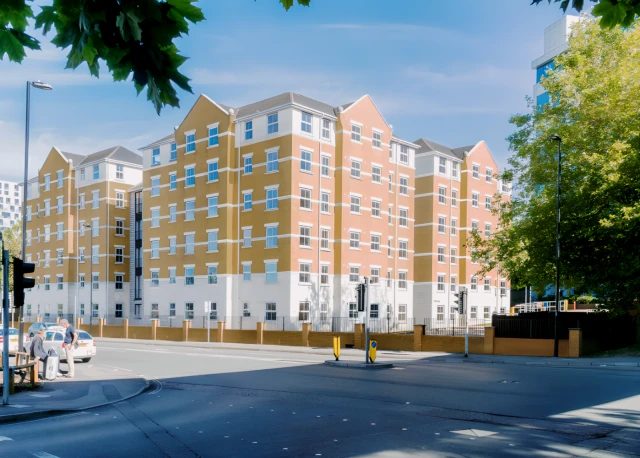
The United Kingdom’s student housing market is a mature and diverse sector, serving a student population spread across 60 universities located in 13 major cities. As of 2026, the market comprises 432 purpose-built student accommodation (PBSA) properties, alongside a significant private rented sector (PRS). The PBSA segment has grown steadily over the past two decades, offering professionally managed rooms, studios, and apartments with amenities such as study areas, gyms, and social spaces. These properties are often located within walking distance or a short commute from university campuses.
The market is structured around two main types of accommodation: university-owned halls and private PBSA providers. University halls are typically managed by the institution itself and may offer more traditional dormitory-style living, often with shared bathrooms and kitchens. Private PBSA, on the other hand, is owned and operated by specialist companies, ranging from large international groups to smaller local operators. This segment provides a wider variety of room types, including en-suite rooms with private bathrooms and self-contained studios. In the 2026–2027 academic year, the PBSA sector accounts for roughly 40% of the total student housing supply in the 13 cities, with the remainder being private rentals (houses, flats, and rooms let directly by landlords or through agencies).
The distribution of the 432 properties across the 13 cities is uneven, reflecting the concentration of universities and student demand. Larger cities such as London, Manchester, and Birmingham host the highest number of PBSA properties, while mid-sized cities like Leicester, Nottingham, or Sheffield also have a strong presence. Smaller cities may have fewer properties, but supply generally matches local student populations. The market is highly regulated, with all PBSA providers required to comply with fire safety, gas, and electrical standards. Many also voluntarily adhere to codes of practice set by industry bodies, such as the ANUK/Unipol National Code, which covers deposit protection, complaints handling, and maintenance.
The private rented sector offers more flexibility in terms of property types and locations, but comes with less standardised management. Tenancy lengths are typically 12 months in the PRS, though some landlords offer shorter terms. In contrast, PBSA tenancies are usually aligned with the academic year, running from September to June or July (44–52 weeks). Both sectors are subject to the same tenant rights under UK housing law, including the right to live in a safe, well-maintained property. The market is also characterised by a strong booking cycle, with most PBSA contracts signed between January and March for the following September start. Late booking is possible, but availability narrows significantly after summer.
City Price Map
Rental prices for student accommodation in the UK vary considerably depending on the city, property type, and proximity to the university. Using the data of 432 properties across 13 cities, the following indicative price mapping (for the 2026–2027 academic year) shows a general hierarchy — all figures are indicative and must be confirmed with the operator.
-
Higher-cost cities: The most expensive rents are found in London, where the concentration of universities and high property costs drive up prices. An en-suite room in a PBSA property in London can range from a level that is significantly above the national average. Some studios may be priced even higher. These costs reflect the premium for location and amenities.
-
Medium-cost cities: Cities such as Manchester, Birmingham, Bristol, Brighton, and Edinburgh form the next tier. Rents here are lower than London but still substantial. Weekly prices for en-suite rooms typically fall in a mid-range band. Studios and larger apartments are available at a higher cost. These cities have a healthy mix of PBSA and private rentals, offering options for different budgets.
-
Lower-cost cities: Cities like Sheffield, Nottingham, Leicester, Liverpool, Leeds, Cardiff, and Glasgow are generally more affordable. En-suite rooms in these locations tend to cost less per week, and studios may be comparable to a premium en-suite in a higher-cost city. The PRS in these cities often provides cheaper shared houses, especially for groups of students.
Important: Rental prices are subject to change and vary within each city depending on the property’s condition, facilities, and distance from the university. The numbers above are indicative only; always confirm current prices directly with the accommodation provider before making any commitment. No single price can represent the full market — always compare multiple options.
Contract and Deposit Norms
Tenancy agreements for student housing in the UK follow standard practices, but specific terms differ between PBSA and private rentals. Key norms for the 2026–2027 academic year are outlined below.
Tenancy Length
- PBSA: Most contracts run for 44, 48, or 51 weeks, starting in September and ending in June/July. Some providers offer shorter (e.g., 42-week) or longer (52-week) terms, particularly for international students who may stay over summer.
- Private rentals: Typically 12-month contracts (from July to June or August to July). Some landlords offer 6-month or 9-month options, but these are less common. Short-term lets are available but often at a premium.
Deposit
- PBSA: Deposits are usually £250–£500 for a room, with a few providers asking for one month’s rent. The deposit must be placed in a government-approved tenancy deposit protection scheme (TDP) — the provider will provide a certificate. Check if the deposit is refundable after deductions for damages or unpaid rent.
- Private rentals: Deposits are capped at five weeks’ rent for tenancies with an annual rent under £50,000 (which covers almost all student properties). This must also be protected in a TDP scheme. Ensure you receive the prescribed information within 30 days.
Guarantor
- Most PBSA providers and many private landlords require a UK-based guarantor who can cover rent if the tenant defaults. International students without a UK guarantor can often use a guarantor service (a third-party company that acts as guarantor for a fee) or pay the full year’s rent upfront. Some PBSA providers accept a higher deposit in lieu of a guarantor.
Payment Schedule
- PBSA: Rent is usually paid in three termly instalments (September, January, April). A few providers offer monthly or upfront payment plans. If using a guarantor service, the full annual rent may be required in advance.
- Private rentals: Rent is typically paid monthly in advance. Late payment fees may apply. Always check the payment due dates and method (e.g., bank transfer, direct debit).
Utilities and Bills
- PBSA: Rent often includes water, electricity, gas, heating, internet, and contents insurance. Always confirm what is included in the advertised price.
- Private rentals: Bills are usually separate. If renting a whole house, tenants set up and pay for utilities themselves. Some landlords offer all-inclusive rent, but this is becoming less common.
Early Termination
- PBSA: Early termination is difficult. If you leave before the contract ends, you remain liable for rent until the room is re-let. Some providers charge a release fee (e.g., £250–£400). Always read the early exit clause.
- Private rentals: Standard break clauses allow termination after 6 months (for 12-month contracts), usually with two months’ notice. Shorter break options are rare. Landlords may also require a replacement tenant.
Right to Rent
- All tenants (including international students) must demonstrate they have the right to rent in the UK by providing a passport, biometric residence permit, or share code. This check is mandatory and will be done before the tenancy starts.
5 Steps to Plan Your Student Housing (2026–2027)
Planning ahead is essential to secure accommodation that fits your needs and budget. Follow these steps for a smooth process.
Step 1: Determine Your Budget (Indicative – Confirm with Operator)
First, calculate a realistic weekly or monthly rent. Your budget should include rent, utilities (if separate), and other costs like transportation and food. As a rule, accommodation should not exceed 30–40% of your total monthly living costs. Use the city price map above for guidance, but always check current prices directly. Factor in the deposit (usually 4–6 weeks’ rent) and any guarantor service fees (typically a few hundred pounds). If you are an international student, consider currency exchange rates and whether you can pay in instalments.
Step 2: Choose Your City and University Area
Identify which of the 13 UK cities you will be studying in. Within each city, the location relative to your university matters. PBSA properties are often listed with distances from campus (e.g., a 15-minute walk). Popular student neighbourhoods in each city have a concentration of accommodation and social life. Use online maps and reviews to assess walking routes, public transport links, and nearby amenities. If you plan to use a car, check parking availability and costs.
Step 3: Compare Property Types and Amenities
Decide what type of room suits you: en-suite (private bathroom, shared kitchen), studio (private bathroom and kitchen), or shared flat (shared bathroom and kitchen). Studios offer the most privacy but are more expensive. Shared flats foster community and lower individual rent. Look at what amenities are included: gym, laundry, common room, cinema room, bike storage, and security (24/7 reception, CCTV). Make a list of your must-haves (e.g., high-speed Wi‑Fi, ensuite, a study desk) and nice-to-haves.
Step 4: Understand the Contract and Read the Fine Print
When you receive a tenancy agreement, read every clause. Pay attention to:
- Tenancy length and start/end dates
- Rent payment schedule and late fees
- Deposit amount and protection scheme details
- Cancellation policy – some providers offer a cooling-off period (e.g., 14 days) after booking, but after that, deposits may be non-refundable
- Early termination terms and re-let charges
- Rights and responsibilities (e.g., who handles repairs, damage liability, guest policy)
If you are unsure about any term, ask the provider or a student union advice service for clarification. Do not sign anything until you are satisfied.
Step 5: Book Early (Late 2026 for 2026–2027) but Stay Flexible
Most PBSA properties open booking from November to February of the previous academic year. For the 2026–2027 academic year, you should start looking in late 2025. Early booking gives you the widest choice of rooms and price points. However, many providers also have a re‑release of rooms in mid‑2026 if some contracts are cancelled. If you are unsure about your place, look for properties with a good cancellation policy. Private rentals usually come onto the market later (April–August) for September start. Join shortlisting websites (not named here) and set alerts. Once you book, confirm all important details in writing.
FAQ
1. When should I start looking for student housing in the UK for the 2026–2027 academic year?
For PBSA, the main booking wave is between November 2025 and March 2026. Some providers open earlier (September 2025). To get the best choice of rooms and early‑bird rates (which are often lower than standard prices), start your search in late 2025. If you miss the early window, there are still many rooms available in late spring and summer 2026, but the range may be limited. For private rentals, start contacting landlords in April–June 2026 for a September move‑in.
2. Do I need a UK-based guarantor, and what if I don’t have one?
Many PBSA providers and private landlords require a guarantor who is a UK resident and earns at least 2–3 times the annual rent. International students without a UK guarantor can use a third‑party guarantor service (typically costing 30–40% of one month’s rent) or pay the full year’s rent upfront. A few PBSA providers accept a larger deposit (e.g., 8 weeks’ rent) instead of a guarantor. Always check the provider’s policy before applying.
3. Can I leave my tenancy early if my plans change?
Early termination is possible but almost always involves a penalty. Most PBSA contracts require you to pay rent until a replacement tenant is found, plus an administration fee (generally £250–£400). Private tenancies often have a break clause after six months with two months’ notice. There is no automatic right to cancel after you’ve signed. Always consider your ability to commit before signing, and read the cancellation clause carefully.
4. What documents do I need to rent a room in the UK as an international student?
You will need: a valid passport (or national identity card for EU/EEA students), a biometric residence permit (if applicable), and a visa or entry clearance that shows you have the right to study and reside in the UK. Most providers also request proof of university enrolment (e.g., a conditional or unconditional offer letter). During the booking process, you will undergo a right‑to‑rent check. If you are using a guarantor service, you may need to upload supporting documents such as bank statements or payslips from your home country.
Data as of early 2026 — all prices and terms are indicative and must be confirmed directly with the accommodation operator. The UK student housing market includes 432 properties across 13 cities, serving 60 universities.
See also: listing details · browse more