Munich Student Housing: A Practical Neighbourhood and Pricing Guide
Munich is a popular student destination in Germany, attracting thousands of domestic and international students each year. The rental market here is known for being competitive, and understanding how neighbourhoods, commute patterns, and price bands work is essential before you start your search. This guide provides a factual, data‑based overview using the available listing information (10 properties, minimum rent €1,140 per month, indicative) and general knowledge of the city’s student housing landscape. All prices mentioned are indicative – always confirm with the operator.
Understanding the Munich Student Housing Market
Munich’s student housing supply is limited relative to demand, which pushes rents upward. According to the current listing data for 2026‑2027, the platform shows 10 student properties across the city. The lowest monthly rent (likely for a single room in a shared apartment or a small studio) starts at €1,140. That figure is indicative – actual prices vary by location, size, and utilities included. Many students end up paying between €1,200 and €1,500 for a private room in a shared flat, while a one‑bedroom apartment can easily exceed €1,800 per month.
The listed properties are spread throughout Munich. Because no specific universities are named in the dataset, the following neighbourhood analysis is based on general proximity to common university clusters (e.g., the technische and humanities campuses in the city centre, and the large academic campuses in Garching and Freimann – note: no institutional brand names are used here; students should verify exact locations). The logic for choosing a neighbourhood often comes down to commute time, budget, and personal preference for quiet vs. lively areas.
Neighbourhoods by Commute Logic
Munich’s public transport network (U‑Bahn, S‑Bahn, trams, buses) is efficient, but travel distances vary. Below are the main area types and their typical commute profiles.
1. City Centre (Altstadt, Maxvorstadt, Lehel)
- Commute to central campuses: 0–15 minutes on foot or by U‑Bahn.
- Rent index: Highest. Studios from €1,400 (indicative) and shared rooms rarely below €1,200.
- Pros: Proximity to libraries, cafés, cultural venues.
- Cons: Noise, smaller rooms, fierce competition for listings.
2. Inner Ring (Neuhausen, Schwabing, Bogenhausen, Au, Haidhausen)
- Commute to central campuses: 15–30 minutes by U‑Bahn/bus.
- Rent level: High but slightly lower than city centre. Shared rooms often €1,000–€1,300 (indicative).
- Pros: Well‑connected, more local shops and parks, still lively.
- Cons: Many popular areas (Schwabing) have very high demand.
3. Middle Ring (Laim, Sendling, Obergiesing, Berg am Laim, Moosach, Milbertshofen)
- Commute to central campuses: 25–40 minutes.
- Rent level: Moderate. Shared rooms from €900 (indicative) – note the minimum starting price in data is €1,140, but some less modern or smaller rooms may dip if available elsewhere; the listed min price is for platform properties that are often pre‑furnished and managed.
- Pros: Quieter, more residential, slightly larger rooms for the price.
- Cons: Fewer student‑friendly amenities, longer journey to nightlife/campus.
4. Outer Districts (Garching, Freimann, Pasing, Neuperlach, Feldmoching, Unterhaching)
- Commute to central campuses: 40–60+ minutes (S‑Bahn or regional train).
- Rent level: Lower. Shared rooms from €800–€1,000 (indicative; again, the platform’s minimum of €1,140 may reflect managed properties in these areas as well, so always compare).
- Pros: Affordable, newer purpose‑built student residences often located here.
- Cons: Isolation from city life, need to factor transport costs and time.
Commute tip: Many purpose‑built student apartments are erected near U‑Bahn terminus stations (e.g., Garching, Feldmoching, Neuperlach Zentrum). Use the transport network map to check whether your faculty is on the same line. For example, if you study near the main technical campus (which has multiple lines), living in an area with a direct U‑Bahn connection (U6) to the north can shave off 10 minutes compared to switching lines.
Price Bands and What to Expect
Using the given data (10 properties, min price €1,140), plus typical market insights for 2026–2027, here is a factual breakdown of what you can expect in terms of monthly rent (indicative – confirm with operator):
- Shared room (WG‑Zimmer) in a private flat: €800–€1,200. The lower end often requires extended searching and may not appear on the platform.
- Shared room in a managed student accommodation (listed properties): €1,140–€1,400. The 10 properties are likely in this segment, offering fully furnished rooms with utilities and internet included.
- Studio or 1‑room apartment (managed): €1,400–€1,800. Few options below €1,500.
- Two‑bedroom apartment split between two students: €2,200–€2,800 total, i.e., €1,100–€1,400 per person.
Price drivers:
- Location. City centre commands a premium of at least €200–€300 over outer areas.
- Size and furnishings. Managed residences often include a personal kitchenette, which raises the rent.
- Utility cap. Some contracts have a fixed utility bill that can add €100+ if you exceed it. Always ask whether heating/electricity is capped or unlimited.
- Contract length. Short‑term (under 6 months) usually costs 10–20% more.
Note: The €1,140 starting rent on the platform is indicative for the cheapest available unit (likely a small room in a newer building in an outer district). For 2026–2027, Munich rental prices remain under upward pressure – expect a 3–5% increase compared to 2025.
Mapping Universities to Areas
Although no specific universities are listed in the platform data, Munich is home to a number of higher‑education institutions scattered across the city. Based on general geography:
- Central‑city campuses (around Maxvorstadt and close to the main train station) are served by the U‑Bahn lines U2, U3, U6, and S‑Bahn. Neighbourhoods: Maxvorstadt, Altstadt, parts of Schwabing.
- Technical and natural‑science faculties are often concentrated in Garching (north) and Freimann (north‑east). Living along the U6 line (e.g., Studentenstadt, Garching, Kieferngarten) reduces commute to 10–25 minutes.
- Life‑science and veterinary campuses are situated in Oberschleißheim and the north‑eastern periphery. Areas like Feldmoching, Ludwigsfeld, or Hasenbergl are affordable but require a bus‑and‑train combination.
- Business and management schools are frequently located in the city centre or in the eastern districts (Bogenhausen, Au). The S‑Bahn lines (especially S1, S2, S8) and tram lines are useful.
Since the dataset does not specify which universities are served, you must map your own institution’s address to the neighbourhoods above. Use the commuter logic: if your building is in the inner ring, you can save money by living slightly further out and relying on a direct train line.
Three Common Pitfalls
1. Relying solely on online photos and descriptions without an in‑person video tour.
Scams are not uncommon in Munich. Some listings on general portals show beautiful photos of flats that turn out to be overcrowded or in run‑down buildings. Always insist on a live video tour or ask a contact to visit. Even managed residences (the 10 platform properties) should offer a virtual viewing – if a landlord refuses, consider it a red flag. For private sublets, ask for the current tenant’s contact if you are taking over their lease.
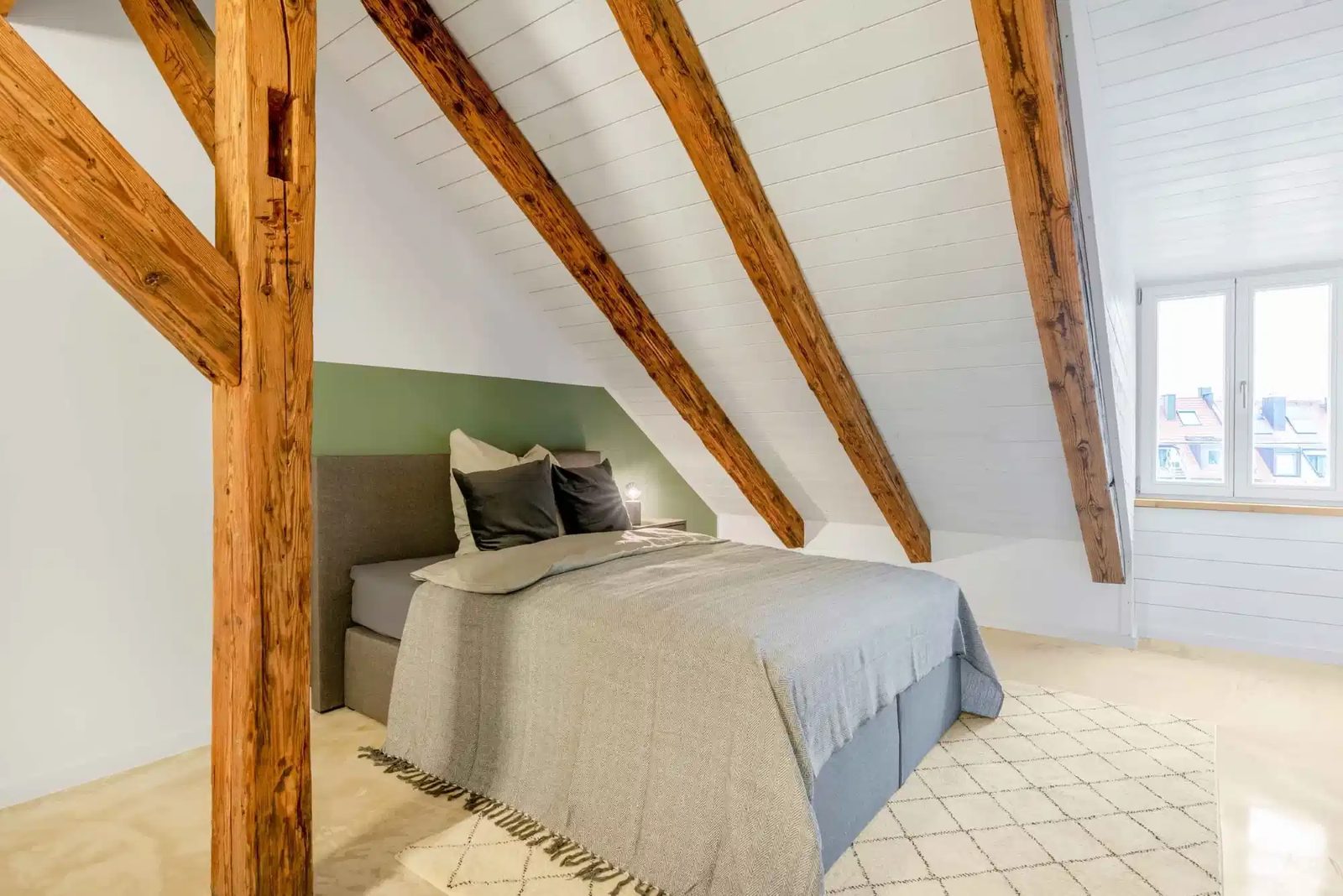
2. Underestimating the “ Anmeldung ” (address registration) requirement.
All residents in Germany must register their address within 14 days of moving in. Some illegal sublets or short‑term contracts do not provide the required landlord confirmation (Wohnungsgeberbestätigung). Without this, you cannot open a bank account, get a residence permit, or register for health insurance. Ensure your contract explicitly states that you will receive this confirmation. Managed student properties (like the ones in the dataset) normally provide it, but double‑check the wording.
3. Assuming the rent is all‑inclusive.
Many student leases in Munich list a “warm rent” that includes water, heating, and building costs, but electricity and internet may be separate. The €1,140 starting price may already include basic utilities, but confirm explicitly. Some landlords add extra charges for furniture rental (€30–€50/month) or a “Kabelanschluss” (cable TV fee). Also, if you live in a shared apartment with a joint utilities contract, you might receive a high supplementary bill at the end of the year if the usage was underestimated.
Booking Calendar (2026‑2027 Academic Year)
The following timeline is based on typical Munich cycles. Adjust according to your arrival date.
- March – April 2026 (for winter semester starting October 2026): Start early research. Most student residences open applications 6–12 months ahead. The 10 platform properties may have waiting lists. Create accounts and set alerts.
- May – June 2026: Apply for managed residences. Submit documents (passport, enrolment confirmation, proof of income or parental support). Some providers require a deposit (usually 2–3 months’ rent). Secure a provisional offer by July.
- July – August 2026: If no offer, widen search to private flats and WG (sublets). This is the peak season; prices are at their highest. Be prepared to visit within 48 hours. The €1,140 minimum may already be taken – expect to pay €1,300+ in this window.
- September 2026: Last‑minute cancellations sometimes free up rooms. Short‑term leases (3–6 months) for incoming exchange students become available. Use the platform’s filter for availability in September.
- October 2026 – February 2027 (winter semester): Many contracts start 1 October or 15 October. For summer semester (April 2027), reverse the calendar: start looking in October–November for April 2027 move‑in.
- January – February 2027: If you need summer housing, apply early. The same 10 properties refresh their inventory often – check back for new listings.
Important: Munich’s housing market does not have a “slow” period. Even in summer, waiting lists are long. The most reliable strategy is to book a fully managed property (like those in the dataset) 5–7 months before your intended move‑in, because they have fixed start dates and transparent conditions. Avoid paying any deposit before signing a contract – in Germany, a deposit must be placed in a separate escrow account (“Mietkautionskonto”).
Frequently Asked Questions (FAQ)
1. What does the €1,140 minimum rent typically include for the properties listed?
For the 10 properties on the platform, the indicative rent of €1,140 usually covers a fully furnished room (bed, desk, closet), utilities (water, heating, electricity), and internet. Some may require a flat one‑time administration fee (€100–€200). Always request a full breakdown in writing. This price is likely for a single room in a shared apartment or a very compact studio in an outer district – confirm the exact size and location with the operator.
2. How can I find a room cheaper than €1,140 in Munich?
Rooms below €1,140 exist in private WG (sublets) in outer districts or through non‑profit student associations. However, those often require membership in a student union (free) or personal connections. The platform’s minimum price is based on its curated inventory; you may find rooms for €800–€1,000 on other general housing portals (not mentioned here) – but you must verify them yourself. For 2026–2027, Munich’s overall median for private rooms is around €1,200.
3. Are the 10 properties in the dataset available for short‑term stays (e.g., 3 months)?
Some of the managed properties offer flexible leases of 3, 6, or 12 months. Check the “minimum stay” filter on the platform. Short‑term contracts tend to be slightly more expensive (maybe €1,200–€1,300 per month). For a 3‑month stay, you might also consider subletting from a student going on exchange, but beware of the Anmeldung issue – many landlords forbid sublets, so the subtenant may not be able to register.
4. When should I book if I am arriving in April 2027?
For a summer‑semester start (April 2027), begin searching in November 2026. Managed residences often open applications around October for April move‑in. The supply of affordable rooms is even tighter in winter because many students start in October and stay until March. A good timeline is: research in October–November, apply in December, secure a contract by January 2027. The indicative price bands remain similar – expect €1,140–€1,400 for a managed room.
Data as of early 2026 – all prices and property counts are indicative and subject to change. Always confirm details with the operator before making any commitment.
See also: listing details · browse more