What Campus Reviews Reveal
Student and parent reviews of the University of Texas at Dallas paint a mixed but instructive picture. On Google, the university holds a 4.3 rating from 874 reviews. A recurring theme among five-star comments is strong academic and scholarship support. Susana (慧芬) wrote three months ago: “I want to express my gratitude to the University of Texas at Dallas. As a parent of four children who each attended UTD for their undergraduate degrees in Electrical or Mechanical Engineering, I am deeply thankful. All four of my kids received generous scholarships—some full rides—and one even got p” (review truncated). That parent’s experience highlights a tangible financial aid culture that can indirectly affect housing budgets: families whose students receive full or large scholarships may have more flexibility in choosing where to live.
Positive reviews also emphasise campus atmosphere. Darren Moy noted two months ago: “Enjoyed the campus tour. We’re able to speak with a few of the educational directors. They made it feel like a ‘Open door’ environment. They really bring the excitement for the school, and want your children to succeed. We will be choosing this location for my child’s educational path. Thank You.” Claudia Sanabria, who earned her master’s at UTD, added a month ago: “This is the home where I got my masters although I did not get to enjoy much of campus activities, I was not involved. I did of course explore the campus and enjoyed some of the amenities. I loved this school and the culture . I would recommend anyone to come here if they want a top rated academic experience.” These comments suggest a campus that is welcoming and serious about academics — factors that matter when deciding how far from campus to live, as students who value involvement may prefer shorter commutes.
However, a critical one-star review from “Theresa” two months ago warns: “Follow your instincts - DON’T SEND YOUR KID HERE. Multiple policies are anti-student and exist simply to serve UTD’s interests. Guidance and career counseling are literally jokes - students don’t bother. The “#1 in internships” is a sham but fabricate one or don’t graduate. Little value for the mone” (review truncated). This complaint about internships and career services is worth noting for incoming students who plan to work while studying. A convenient, affordable housing location can reduce stress and make it easier to pursue off-campus jobs or internships — which may offset any perceived shortcomings in on-campus career support.
City Context: Richardson and the DFW Area
UTD is located at 800 W Campbell Rd, Richardson, TX 75080. Richardson is a suburb north of Dallas, part of the fast-growing Dallas–Fort Worth metroplex. The area is known for its technology corridor (nicknamed “Telecom Corridor”), home to many corporate headquarters and startups. For students, this means internship and job opportunities are relatively close — a factor that may influence where you choose to live, especially if you need to commute to both campus and an employer.
Richardson itself has a suburban character: tree-lined streets, shopping centers, and a mix of single-family homes and apartment complexes. The DART (Dallas Area Rapid Transit) light rail serves the area, with the Red Line running along the western edge of the UTD campus. The “UTD/Synergy Park” station is a short bus or walk from the main academic buildings. This connectivity matters because housing options directly adjacent to campus are limited and tend to be priced higher; a short DART ride opens up a much wider range of neighborhoods.
The climate is typical of north Texas: hot summers, mild winters, and occasional severe storms. Air conditioning is essential, which can affect utility costs. The cost of living in Richardson is above the national average but slightly below the Dallas city average. For students, housing represents the largest variable expense after tuition.
Budget Bands for 2026–2027
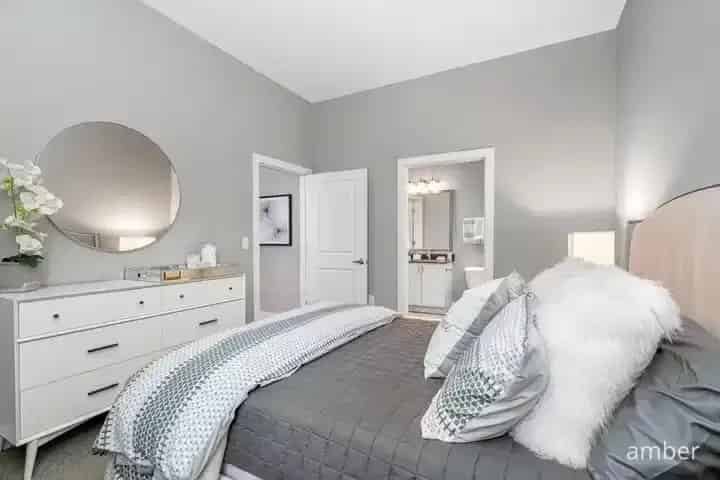
In the Richardson/Richardson area, rental prices vary widely based on proximity to UTD, age of property, and amenities. While exact figures change frequently, the following bands are typical as of early 2026 (indicative — confirm with the operator):
- Economy (shared room or older apartment): Rent per person for a shared two- or three-bedroom apartment ranges from roughly $600 to $900 per month. Older complexes north of Campbell Road or east of Coit Road often fall in this range.
- Mid-range (one-bedroom or upgraded shared apartment): A private one-bedroom or a nicer shared unit in a newer building typically runs $1,000 to $1,500 per month. Complexes along the DART line or within a 15-minute walk of campus are common here.
- Premium (luxury studios or two-bedroom near campus): Fully renovated apartments with gyms, pools, and gated parking may cost $1,600 to $2,200 per month for a one-bedroom, or $1,800+ for a two-bedroom shared by two people.
All prices are indicative and should be verified directly with property managers. Lease terms are usually 12 months, but some offer 9-month student leases. Be aware that utilities (electricity, water, internet) are often separate and can add $100–$200 per month.
Walk vs Transit Trade-off
UTD is a moderately compact campus, with most academic buildings reachable on foot within 10–15 minutes from the perimeter. However, the campus is surrounded by major roads and some areas lack continuous sidewalks. Students who live within a 1-mile radius of 800 W Campbell Rd can comfortably walk or bike, but that convenience comes at a premium. Properties in this zone (e.g., apartments on Lookout Drive or near Waterview Parkway) often have rents 20–30% higher than those 2–3 miles away.
Taking the DART light rail is a popular alternative. The Red Line connects the UTD/Synergy Park station to points south (downtown Dallas) and north (Parker Road). Many students live near stations like “Galatyn Park” or “Arapaho Center” and ride the train to campus. The walk from the station to class is about 5–10 minutes, plus a 10–15 minute train ride. Monthly passes for students are discounted (approx. $40–$60 for a semester pass — confirm with DART). This can be cheaper than the premium for on-campus housing, and it opens up lower-rent neighborhoods.
For those who drive, parking permits on campus cost several hundred dollars per year, and lots fill up quickly during peak hours. Driving 2–3 miles can take 10 minutes, but parking adds 5–10 minutes of walking. The trade-off is primarily between money and time: walking saves parking costs and commute stress, transit saves money on rent but adds schedule dependence, and driving offers flexibility but adds expense and potential delays.
Shortlist Logic for Nearby Residences
When evaluating specific housing options near UTD, use the following criteria to create a shortlist:
-
Distance to class (by walk, bike, or DART). Plot your intended building or room on a map relative to the center of campus (roughly the intersection of Rutford Ave and Drive A). If you plan to walk, prioritize properties within a 0.8-mile radius. If you rely on transit, ensure the nearest DART station is within a 10-minute walk of the apartment and that the train schedule aligns with your class times.
-
Lease flexibility. Student housing near UTD often requires a 12-month lease starting in August. If you graduate or leave in May, a 9-month lease or a sublet-friendly arrangement may be worth paying slightly more for. Check whether the property allows sublets or early lease termination.
-
Roommate matching. Many apartment complexes offer roommate matching services. If you don’t already have roommates, these can save time but may pair you with students who have very different lifestyles. Read the property’s policy carefully.
-
Amenities vs. cost. Study lounges, gyms, and in-unit laundry can improve your daily life, but they add $100–$300 per month. Decide which amenities are essential for you — a quiet study space may be worth more than a pool, for example.
-
Safety and neighborhood. Check crime maps for the area around the apartment. Richardson is generally safe, but some corridors (especially near major highways) experience more property crime. Reviews from current tenants on independent platforms are a good source of real-world feedback.
-
Utilities included? Some rentals bundle water, trash, and internet; others charge separately. A stated rent of $1,200 might become $1,400 after utilities. Always ask for a full breakdown before signing.
Using these factors, you can narrow down from the many apartments, townhomes, and duplexes in the Richardson area. For the 2026–2027 academic year, start your search in January–March for the best selection and rates. Lease signings peak in March–May for August move-ins.
FAQ
1. Is it better to live on campus or off campus near UTD?
On-campus housing is limited and often reserved for first-year students. Off-campus apartments generally offer more space and lower per-person costs. The trade-off is commuting time and transportation expense. Many upper-division and graduate students choose off-campus options within walking distance or along the DART Red Line.
2. How much should I budget for rent if I share an apartment?
For the 2026–2027 academic year, a typical shared room in a two- or three-bedroom apartment near UTD costs between $600 and $900 per month per person (indicative — confirm with the operator). This range can be lower if you share with three or four people, or higher if you choose a newer building with premium amenities.
3. Can I rely on the DART light rail to get to campus?
Yes. The DART Red Line stops at UTD/Synergy Park station, located at the western edge of campus. Trains run every 15–20 minutes during peak hours. A student semester pass costs around $40–$60 (confirm with DART). Many students use the train daily, but check the schedule for evening and weekend service if you have late classes or activities.
Data updated: early 2026. All rental prices are indicative and subject to change — confirm directly with the operator before committing to a lease.
See also: listing details · browse more