Housing Near Stanford University: A Guide (2026)
What Campus Reviews Reveal
Stanford University consistently receives high praise from visitors and community members. On Google, it holds a 4.7 rating based on 4,949 reviews. Several themes emerge from the feedback that directly inform housing considerations for anyone planning to live near campus.
Campus atmosphere and study environment
Zain K., who visited for a conference, gave 5 stars and wrote: “The campus is not only aesthetically pleasing but also teeming with intelligent individuals. I engaged in v” (the review appears truncated, but the tone is clearly positive). Hui Zyxel added: “Walking through the campus scenery can be a great way to relax. A peaceful campus environment helps students focus on their studies.” A quiet, green environment matters for housing decisions — tenants often prioritize neighborhoods with similar qualities.
Green space and amenities
Lee Toby, after a third visit, noted: “Great atmosphere. … Green and green enough. The church opens sometimes. People enjoy sunshine. Peaceful place.” For prospective residents, this reinforces the value of proximity to parks, gardens, and open space when searching for accommodation.
Self-guided tour logistics
Julieta Arese gave 5 stars and recommended: “Beautiful facilities to visit on a self-guided tour: you can follow the route online or on a map that is provided at the Visitors’ Center. Plan some hours if you want to make the most of your visit.” For housing hunters, allocating time to explore both campus and surrounding neighborhoods is essential.
These reviews hint at what matters most to people at Stanford: a calm, beautiful, intellectually stimulating setting. Housing choices should preserve that experience — not just for students, but for anyone working or studying there.
City Context: Stanford, Palo Alto, and the Peninsula
Stanford University is located at 450 Jane Stanford Way, Stanford, CA 94305, USA. The campus sits within the larger urban area commonly referred to as Silicon Valley, with the adjacent city of Palo Alto directly to the north and east. The “Stanford” postal address is actually a distinct area governed by Santa Clara County, but housing options are distributed across Palo Alto, Menlo Park (to the west), and Mountain View (to the south).
The region is known for its high cost of living, driven by the tech industry and limited housing supply. Median rents are among the highest in the United States. For someone seeking accommodation within a reasonable commute to Stanford, understanding the local geography is key:
- Palo Alto: Directly borders campus. Offers a mix of single-family homes, condos, and apartment complexes. Short walks or bike rides to many academic buildings. Limited supply drives high rents.
- Menlo Park: West of campus, home to many tech offices and Stanford-affiliated research parks. Bike-friendly paths connect to campus.
- Mountain View: About a 15-minute drive south. More apartment inventory, slightly lower average rents than Palo Alto. Accessible via Caltrain or shuttle.
- Other cities: Sunnyvale, Cupertino, and Redwood City are also within a 20–30-minute commute by car or public transit.
Stanford also operates its own free Marguerite Shuttle system that connects campus to nearby Caltrain stations, shopping centers, and some residential areas. This reduces the urgency of living within walking distance for those comfortable with scheduled bus service.
Budget Bands (Indicative — Confirm with the Operator)
The following are typical monthly rent ranges for 2026, based on market trends in the greater Stanford area. All prices are indicative and should be verified directly with landlords or property managers.
| Band | Typical Monthly Rent (2026, indicative) | Typical Housing Type | Example Locations |
|---|---|---|---|
| High | $3,500 – $5,500+ | 1-bedroom apartment, studio in new building | Downtown Palo Alto, University Ave |
| Mid-range | $2,500 – $3,500 | Studio or 1-bedroom, older complex or ADU | Menlo Park, Mountain View near El Camino |
| Budget-friendly (shared) | $1,200 – $2,200 | Room in a shared house, student co-op, or group rental | Remote parts of Mountain View, Sunnyvale |
Note: Studio rents in Palo Alto often start above $2,800 (indicative). Student-oriented housing, such as Stanford graduate residences (e.g., Escondido Village, Lyman), offers lower rates but is limited to enrolled students and often has waitlists.
Walk vs. Transit Trade-off
Choosing between walking distance to campus and using transit involves balancing cost, convenience, and lifestyle.
Walkability (within 1–2 miles of campus)
- Pros: No commuting cost; quick access to libraries, dining, and events; no reliance on schedules.
- Cons: Extremely high rent; limited availability; may require sharing or older units.
- Typical locations: On-campus graduate housing, College Terrace (Palo Alto), areas near California Avenue.
- Walk time to Main Quad: 10–20 minutes.
Bike / Shuttle (2–5 miles)
- Pros: More affordable than prime walkable zones; still relatively short commute (10–25 minutes by bike); ample Marguerite shuttle routes.
- Cons: Requires owning a bike or dealing with occasional shuttle delays; weather can be a factor.
- Typical locations: Menlo Park (Belle Haven, Downtown), Midtown Palo Alto, northern Mountain View.
- Rent reduction vs. walkable zone: 10–25% (indicative).
Transit-dependent (5–10+ miles)
- Pros: Significantly cheaper rooms; larger living spaces; access to more neighborhood amenities.
- Cons: Longer commute (30–60 minutes by Caltrain + shuttle or driving); car ownership adds cost; parking on campus is limited and expensive.
- Typical locations: Sunnyvale, San Antonio Road area, Redwood City.
- Rent reduction vs. walkable zone: 30–50% (indicative).
The trade-off is clear: paying more for proximity buys time and flexibility; trading commute for budget buys space and lower monthly outlay. For students with irregular schedules (lab work, late library hours), walking or biking is often the safer choice.
Shortlist Logic Using Given Nearby Residences
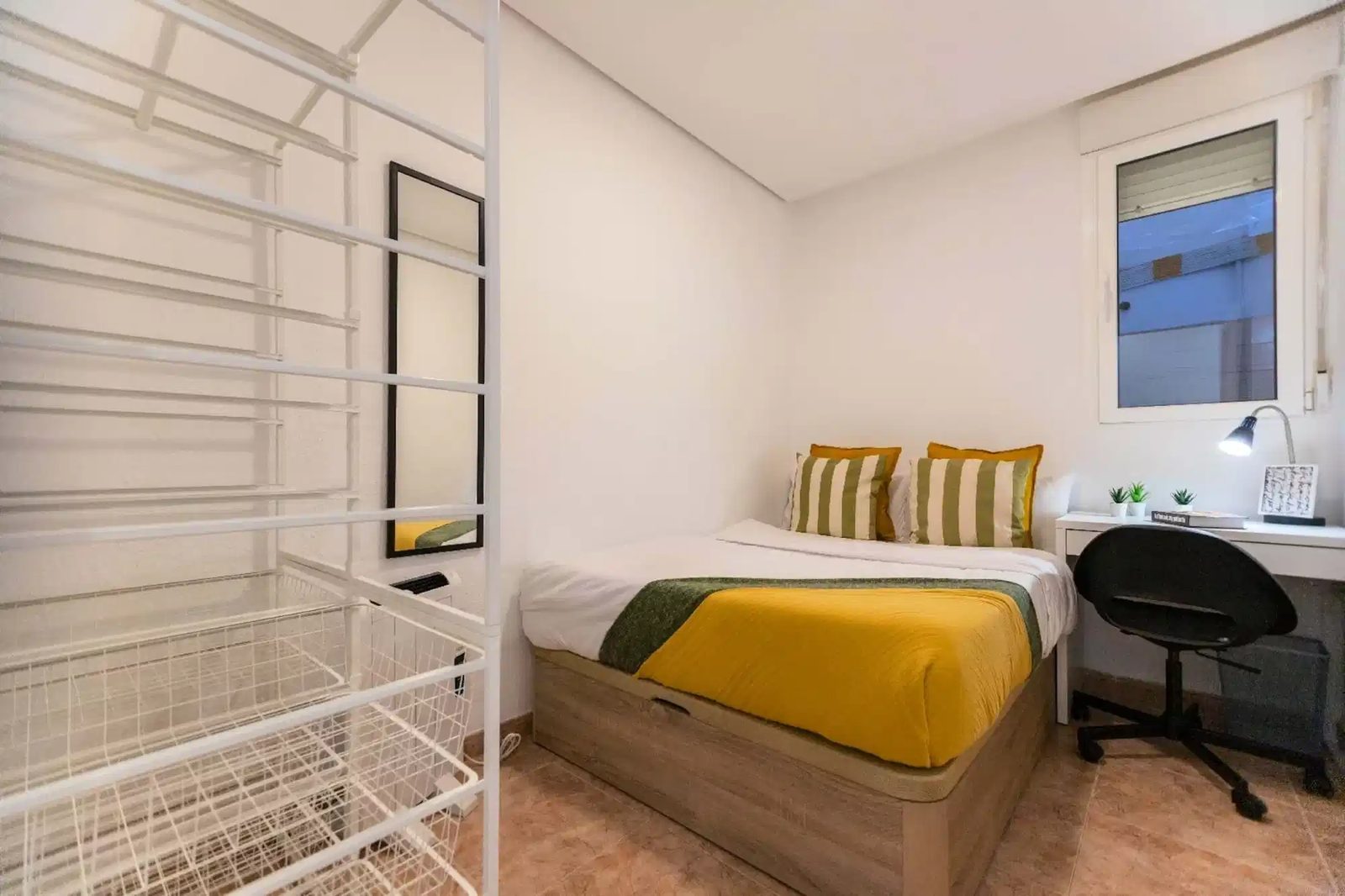
The provided data does not include a list of specific apartment complexes or residences. However, the concept of “given nearby residences” can be understood as the general housing stock in the immediate vicinity of Stanford University. Below is a logical framework for building a shortlist, using the real-world constraints of the area.
Step 1: Identify radius and commute mode
If you value walking to campus, your shortlist should be limited to addresses within the official “Stanford Area” (including College Terrace, Downtown Palo Alto, and the Stanford West residential area). If you are willing to bike or take a shuttle, expand to Menlo Park along Middlefield Road or Mountain View near Castro Street. If you drive, consider Sunnyvale or Redwood City.
Step 2: Filter by budget band
Use the indicative ranges above. If your budget falls below $2,500 for a studio, expect to look at shared housing or a longer commute. If you have more than $3,500, you can consider prime walkable studios.
Step 3: Check transit connectivity
- Marguerite Shuttle routes: Look for stops that serve the area you’re considering. Maps are available from the university.
- Caltrain: Stations at California Avenue (walkable to campus), Palo Alto Transit Center, and Menlo Park. A monthly Caltrain pass for a short zone can cost $100–$150 (indicative, confirm with operator).
Step 4: Evaluate neighborhood character
From the reviews, tranquillity and greenery are valued. Avoid streets next to Highway 101 or El Camino Real if possible. Look for tree-lined blocks, parks (e.g., Rinconada Park, Mitchell Park), and low traffic.
Step 5: Check for flexible lease terms
Many Stanford affiliates need 9-month or 12-month leases. Some landlords offer academic-year leases. Confirm early.
Step 6: Use online rental platforms with caution
Aggregator sites like Zillow, Apartments.com, or Facebook Marketplace can help. But always verify the unit in person (or via video) and read lease terms carefully. Scams targeting students are common — never wire money without viewing.
Example shortlist (no specific property names, only logic):
- Walkable 1-bedroom in College Terrace: likely $3,200–$4,000 (indicative). Close to campus, groceries, and coffee shops. Buy in advance (units go fast in spring).
- Shared house in Menlo Park near Santa Cruz Avenue: $1,500–$2,000 per room (indicative). Marguerite shuttle stop nearby.
- Mountain View studio near Castro Street: $2,600–$3,200 (indicative). 15-minute bike to campus or 20-minute bus ride. More dining options.
The key is to start early — April or May for an August move-in — because the housing market around Stanford operates on a tight timeline.
FAQ
Q1: When should I start searching for housing near Stanford for the 2026–2027 academic year?
For an August 2026 move-in, begin looking in March–April 2026. Many landlords prefer to sign leases for the academic year starting May or June. On-campus graduate housing applications typically open in January with deadlines in March. Off-campus units often appear 60–90 days before move-in. Starting early gives you the best chance to secure a place in your preferred budget band.
Q2: Is it cheaper to live on campus or off campus for Stanford students?
On-campus graduate housing (e.g., Escondido Village, Lyman) is generally more affordable than private off-campus rentals in the immediate vicinity, particularly for couples and families. For example, a 1-bedroom on campus might run $1,800–$2,800 (indicative), while a comparable off-campus unit in Palo Alto starts above $3,000. However, on-campus availability is limited and subject to lottery or waitlist rules. Off-campus sharing can be cheaper if you find roommates. Confirm rates directly with Stanford Housing or individual operators.
Q3: What is the best way to commute to Stanford if I live 5–10 miles away?
The most reliable options are:
- Bike + Caltrain: Many stations have bike racks or bike lockers. A bike ride from Mountain View to campus is about 25 minutes. Caltrain shortens the trip for longer distances.
- Marguerite Shuttle: Connects major neighborhoods (e.g., Escondido Village, Stanford West) to campus. Check real-time schedules online.
- Driving: Parking permits for students are expensive (over $1,000 per year for a reserved space) and spots are limited. Carpooling or parking at a remote lot and shuttling in is a common workaround.
Avoid driving as a first choice unless your budget allows for the permit cost and time spent finding parking.
Data last updated: April 1, 2026.
See also: listing details · browse more