Introduction: Navigating the New York City Student Housing Market
New York City remains one of the most popular destinations for students from around the world, with over 212 student housing properties currently listed on the independent platform. The entry-level price point stands at $850 per month (USD, indicative — confirm with the operator), though actual rents vary substantially by location, building amenities, and lease terms. This guide focuses on the 2026–2027 academic year and is designed to help you weigh neighbourhood options by commute patterns, understand the price bands across the city, recognise common pitfalls, and plan your booking timeline. All prices cited are indicative and must be verified directly with the operator before committing.
Neighbourhoods by Commute Logic
New York City is a collection of five boroughs — Manhattan, Brooklyn, Queens, the Bronx, and Staten Island. For most students, commute time to campus is the primary filter. The city’s subway system, supplemented by buses and commuter rail, makes many areas feasible, but the trade-off between rent and travel time is stark.
Manhattan Core: Shortest Commute, Highest Rent
Manhattan, especially neighbourhoods south of 96th Street (Upper West Side, Upper East Side, Midtown, Chelsea, Greenwich Village, East Village, Lower East Side), offers the shortest walks or subway rides to the majority of the city’s colleges and universities. Many institutions are concentrated in Morningside Heights, Midtown, and the Financial District. A typical 15–25 minute subway ride covers most of Manhattan, and some students can even walk or bike. The downside: rents are the highest in the city. Studio and shared apartments in these areas often start above the citywide minimum and can exceed $2,000 per month. For the $850 entry price, you are more likely to find a room in a shared apartment far uptown (e.g., Washington Heights, Inwood) or in a dorm-style building with multiple roommates.
Outer Boroughs: Longer Commute, Lower Rents
Brooklyn — especially neighbourhoods like Bushwick, Bedford-Stuyvesant, Crown Heights, and Sunset Park — is a popular alternative. Commute times to Manhattan campuses range from 25 to 45 minutes by subway. Rents for a private room in a shared apartment typically fall between $900 and $1,500 per month (indicative). Williamsburg and Greenpoint are pricier but still generally cheaper than downtown Manhattan.
Queens offers even more affordable options. Areas such as Astoria, Long Island City, Jackson Heights, and Forest Hills provide subway access to Manhattan in 20–40 minutes. Rents can dip below $1,000 for a shared room, and the neighbourhoods are diverse, with many restaurants and shops catering to a wide range of budgets. Long Island City, in particular, has seen a boom in purpose-built student housing with modern amenities.
The Bronx has the lowest average rents among the boroughs with direct subway access (e.g., near Fordham Road, Kingsbridge). Commute times to Midtown Manhattan are around 30–45 minutes. However, inventory of dedicated student housing is smaller, and some areas may feel less connected to student social life. Staten Island is the least practical for most students due to the limited subway connection (only via the Staten Island Railway and ferry); it is rarely a top choice for campus-based study.
Commute Corridors to Consider
- East Side (4/5/6 lines): Runs from the Bronx through Upper Manhattan, Midtown, and down to Brooklyn. Good for campuses in Upper Manhattan and Midtown.
- West Side (1/2/3 lines): Serves Columbia University area (116th Street), Midtown West, and extends into Brooklyn.
- L Train: Connects Brooklyn (Williamsburg, Bushwick) with Manhattan (14th Street). A long L train ride can be over 40 minutes from eastern Brooklyn.
- 7 Train: Links Queens (Flushing, Jackson Heights, Long Island City) with Grand Central, good for Midtown East campuses.
- B/D/F/M lines: Connect Midtown to Brooklyn and Queens.
When evaluating a neighbourhood, always check the door-to-door commute using a route planning app during typical class hours. A subway stop advertised as “20 minutes to campus” may become 35–40 minutes after walking to the station and waiting for a train.
Price Bands from the Given Data
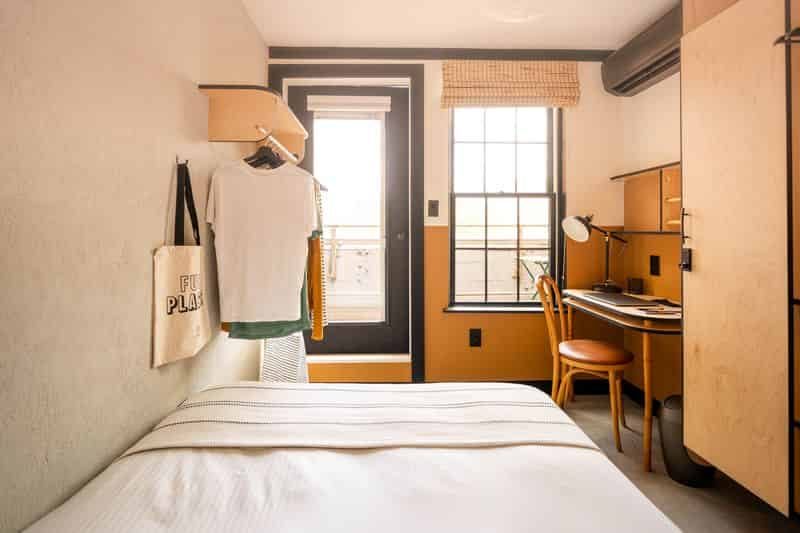
Based on the 212 properties listed, the price range is broad. The minimum advertised price is $850 per month (indicative). Below is a breakdown of what to expect across different price bands. All figures are indicative and subject to change — confirm with the operator.
- $850 – $1,200 per month: Typically a shared room in a multi-bedroom apartment in an outer borough (Queens, Bronx, parts of Brooklyn) or a very small private room in a Manhattan dorm-style building with multiple roommates. Utilities may not be included. Inventory at this level is limited and often leases fill quickly.
- $1,200 – $1,800 per month: A private room in a decent shared apartment in Brooklyn, Queens, or Upper Manhattan (above 110th Street). Some studios or small one-bedrooms in outer boroughs may fall into this band. Amenities like laundry in-building and basic furniture are more common.
- $1,800 – $2,800 per month: A studio or one-bedroom apartment in Manhattan (Uptown or Midtown) or a larger private room in a luxury student residence in Long Island City or downtown Brooklyn. This band covers most of the purpose-built student housing properties.
- $2,800+ per month: Private studios or one-bedrooms in premium Manhattan locations (SoHo, West Village, near campus). Also covers high-end co-living suites with private bathroom and kitchenette.
The majority (estimated over 60%) of the 212 properties fall in the $1,200–$2,200 band. The $850 entry point is rare and usually requires early booking or accepting a longer lease term.
How Universities Map to Areas
New York City is home to dozens of universities and colleges. Without listing specific institutional names, it is helpful to understand the geographic clusters of higher education.
Upper Manhattan / Morningside Heights: This area hosts several major universities within a few blocks. Housing here is competitive and expensive, but walking distance to campus saves both money and time on transit. Students in this zone often look at apartments in Morningside Heights, Harlem, and Hamilton Heights. Commute-friendly outer options include Washington Heights (A train) and the Bronx (4 train to 116th Street).
Midtown Manhattan (30th–60th Streets): Many professional schools and colleges are scattered around Midtown. The best commute areas are Hell’s Kitchen, Murray Hill, and Koreatown, though rents are high. Students often opt for Long Island City (7 train) or Astoria (N/W train) for a 15–25 minute ride.
Downtown Manhattan (below 14th Street): Includes areas around Greenwich Village, East Village, and the Financial District. Campus-adjacent housing is extremely expensive. Many students live in Brooklyn (L train from Williamsburg or Bushwick) or in the Lower East Side (shared apartments). The R/W trains connect to parts of Brooklyn and Queens.
Brooklyn Campuses: Several universities have main or satellite campuses in Brooklyn (e.g., Downtown Brooklyn, Flatbush, and Fort Greene). Students here benefit from slightly lower rents than Manhattan and can also live in nearby neighbourhoods like Park Slope, Prospect Heights, or Crown Heights.
Queens Campuses: A few colleges are located in Flushing and Bayside. The 7 train corridor is the lifeline. Housing near these campuses is more affordable, and students from other parts of the city may also choose Queens for the lower rent and solid transit options.
The Bronx: Hosts several campuses, including some large public universities. Housing options are limited near campus; many students rent in the surrounding neighbourhoods (Fordham, Kingsbridge, Riverdale) or commute from Upper Manhattan.
Without a specific university list, the general principle is: live as close as your budget allows, but prioritise a direct subway line that goes to your campus without transfers. A 30-minute one-seat ride often beats a 20-minute multi-line journey.
3 Pitfalls to Avoid
1. Underestimating Total Move-In Costs
The advertised rent of $850 per month is only part of the picture. Many landlords and management companies require a security deposit (often one month’s rent), a broker’s fee (in some cases 10–15% of annual rent), and the first month’s rent upfront. For a $1,500/month apartment, that could mean $4,500+ due at signing. Always ask for a complete breakdown of fees before committing. Some purpose-built student housing offers all-inclusive pricing with no broker fee, but these may have higher base rents.
2. Ignoring Commute Reliability
Subway lines can be unpredictable. The L train has had weekend closures in the past; the 7 train has frequent delays; and express services may skip certain stations. A flat “20-minute subway ride” on paper can become 40 minutes with a single signal problem. During winter, delays multiply. Try to test the commute on a weekday morning before signing a lease. Also check the nearest subway stop for multiple lines (e.g., Atlantic Avenue–Barclays Center in Brooklyn has 2,3,4,5,B,D,N,Q,R trains) versus a line with only one service.
3. Overlooking Lease Duration and Subletting Rules
Most student housing leases run 12 months. If your academic year is 9 months (September to May), you may be stuck paying for the summer. Some landlords allow subletting, but with strict rules. Purpose-built student residences often offer 10-month or academic-year leases, but they cost more per month. Always clarify the minimum lease term, the process if you need to leave early (break clause), and whether subletting is permitted. Also check if you need a guarantor (a US-based co-signer) — many international students are required to pay several months upfront or use a guarantor service at extra cost.
Booking Calendar for 2026–2027
The New York student housing market operates on a predictable cycle. Below is a timeline of key periods.
November 2025 – February 2026: Early bird phase. Some purpose-built properties and large management companies start accepting applications for the following academic year. The best deals (especially the $850 entry-level units) appear in this window. If you know your plans early, apply now.
March – May 2026: Peak period. Most students begin searching. Inventory is still good, but prices start rising. The choice neighbourhoods in Brooklyn and Queens get competitive. Many June 1 lease start dates are being signed.
June – August 2026: Late peak. The most popular units are gone. Remaining inventory may be overpriced or located farther out. If you are arriving in August, expect fewer options and higher rents. Some landlords offer move-in specials (e.g., one month free) but these are often on less desirable units.
September – October 2026: Off-season. Subleases and short-term rentals become available as some students leave or adjust housing. If you can be flexible with move-in date, you might find a discount. However, you risk limited choice.
For 2027 contracts: The same timeline applies shifted by one year. If you are planning a spring semester (January 2027) start, begin searching in October 2026.
Pro tip: Rents in New York are generally quoted as net effective after any concessions (e.g., “$1,500 for 11 months, one month free” = effective $1,375). Always ask for the gross rent (the actual monthly amount you pay) to avoid surprises.
Frequently Asked Questions (FAQ)
1. Is $850 per month realistic for a safe, furnished room near a university?
Yes, but it is rare. That price typically applies to a shared room in a purpose-built student residence in an outer borough, or a very small private room in a walk-up building with limited amenities. You will likely need a roommate and a commute of 35–50 minutes. Always verify the exact listing at the time of booking, as this entry-level price may be sold out months in advance.
2. Should I sign a lease before visiting the apartment in person?
If you are an international student, virtual tours and video calls are common. However, be cautious: some listings use generic photos. Ask for a live video tour of the actual unit, check the building’s entry and common areas, and request recent photos of the specific room. If possible, hire a trusted local contact to view the property. Never wire money without a signed lease and a verified management company.
3. What is the typical security deposit and can I get it back?
In New York State, the security deposit is usually one month’s rent. Landlords must return it within 14 days after you move out, minus any documented damages beyond normal wear and tear. Take photos of the apartment on move-in day and keep a copy of the inventory check-in report to avoid disputes.
4. Are utilities usually included in the rent?
It varies. Purpose-built student housing often includes water, electricity, gas, internet, and even cable in one monthly fee. Private apartments may include only water; electricity and gas are billed separately. Always read the lease or ask the operator explicitly: “Which utilities are included, and which are extra? What is the estimated monthly cost for the extras?” Budget an additional $50–150 per month for utilities in a private apartment.
Data as of early 2026. All prices are indicative — confirm with the operator before making any financial commitments.
See also: listing details · browse more