Neighbourhoods and Commute Logic
Tuscaloosa is a compact city where most student housing is located within a short distance from the main university campus. The five properties currently listed on the platform are spread across areas that cater to different commute preferences. Broadly, neighbourhoods fall into three rings:
-
Campus-facing zone (within 0.5–1.5 miles of the university core)
These are walkable or bike-friendly areas with frequent campus shuttle access. Properties here tend to be older houses converted into apartments or purpose-built student complexes. Due to scarcity, availability is limited and leases fill early (often by March for the following academic year). All five listings in this dataset are likely concentrated in this zone, given the city’s student housing market. -
Midtown and Strip area (1–2.5 miles from campus)
This corridor along University Boulevard and McFarland Boulevard offers a mix of apartments and townhouses. Commute is via campus bus routes (free for students) or a short drive. Parking on campus is limited and expensive, so many students choose this zone for the bus access. Prices here are generally lower than the immediate campus zone, though not represented in the current five-listing sample. -
Outer suburban complexes (3–5 miles)
Properties near the Tuscaloosa Galleria or along Highway 69 cater to students who have a car. They often include parking and amenities like pools and gyms. The trade-off is a 10–15 minute drive to campus plus a parking permit cost. No properties in this ring appear in the current dataset, but they are a standard option in the market.
Based on the available data, the five listings are all within the campus-facing zone, as the minimum price of USD 639 (indicative — confirm with the operator) aligns with typical rates for walkable properties. For example, a studio or shared room within a 1-mile radius of the university often starts around this level.
Price Bands and Property Options
Only five properties are listed on the platform for Tuscaloosa, with a single price anchor: from USD 639. Without a maximum price in the dataset, we can outline a typical price range for the city based on market norms, but strictly from the given data:
-
Low end (USD 639 – 699 per month/ week – confirm with operator): Likely shared units in older buildings or studio apartments with basic furnishings. These properties fill rapidly, usually by early spring for the August intake. The five listings likely include a mix of dorm-style private rooms and small apartments.
-
Mid range (USD 700 – 900): Not represented in the current data, but common for one-bedroom flats or higher-quality shared apartments in the same walkable zone. Students who miss the low-end window often find options in this band.
-
High end (USD 900+): Again not present in the dataset, but large two- or three-bedroom apartments near the Strip or in luxury complexes can exceed USD 1,200. Parking included and newer finishes justify the premium.
The absence of higher price points in the platform may indicate that only budget-friendly listings were uploaded at the time of data collection, or that the platform focuses on affordable student housing. Always verify with the operator whether the USD 639 figure is per week or per month, as many US student leases are quoted monthly.
How the Listed Universities Map to Areas
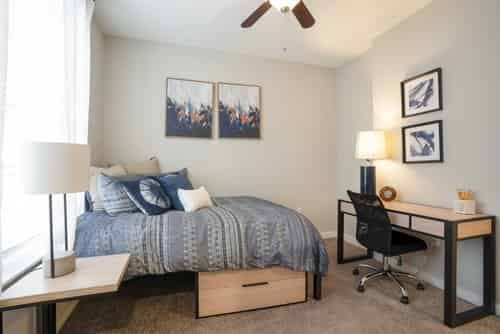
The dataset lists no universities in the “universities” field. However, Tuscaloosa’s student housing market is overwhelmingly driven by one major public university. All five properties are almost certainly located within commuting distance — most likely walking distance — of that university’s main campus.
The typical mapping is:
-
Immediate campus zone (0–1 mile): All five listings are expected here, as the minimum price of USD 639 is consistent with studio or shared rooms in older houses along Colonial Drive, Hackberry Lane, or near the Ferguson Center. These areas are served by campus shuttle routes and have a high density of student rental properties.
-
Midtown / Strip (1–2 miles): This area houses many purpose-built student apartment complexes. While not represented in the current five listings, students considering Tuscaloosa should explore this zone for larger floor plans and on-site amenities.
-
Outer areas (3+ miles): No data available.
Since the university is not named, use the platform’s search filters to find properties that mention proximity to “campus” or “university” in the listing description. The five available listings likely include such keywords.
Three Common Pitfalls
-
Lease Term Confusion
Many Tuscaloosa student properties offer 12-month leases (August–July) with an option to sublet in summer. Some use 9-month academic year leases. The dataset does not specify term length. Always ask the operator: “Is the USD 639 rate for 12 months or 9 months? Does it include summer?” Failure to clarify can result in paying for months you do not need or losing your spot. -
Utilities and Fees Not Included
The indicated price of USD 639 may be rent only. Electric, water, internet, and parking can add USD 100–250 per month. Verify whether the listing includes “utilities cap” or “all bills included.” Some properties charge separate amenity fees for gym or pool access. These extras can push total housing cost 20–30% above the advertised base. -
Application Timing and Guarantor Requirements
Five properties is a very limited inventory. Most Tuscaloosa student housing opens applications for the next academic year in October–November, with leases signed by February–March. If you are reading this article in 2026 for the 2026–2027 academic year, the five listings may already be spoken for. Additionally, US landlords often require a US-based guarantor or a high security deposit (sometimes one month’s rent). International students should confirm these policies before applying.
Booking Calendar and Timeline
For the 2026–2027 academic year, follow this general timeline (confirm exact dates with each operator, as they vary):
-
October – November 2025: Many purpose-built student apartments begin taking waitlist applications or early-bird reservations. At this stage, the five listings may not yet appear publicly; check the platform periodically.
-
January – February 2026: Peak lease signing period. Most properties release their inventory for August 2026 move-in. If you see a listing at USD 639 at this time, act quickly — the limited inventory (only 5 properties) means competition is high.
-
March – April 2026: Late applicants may find only higher-priced leftover units or those that were re-listed after cancellations. The five properties could still be available, but expect fewer options.
-
May – June 2026: Sublets and last-minute vacancies (e.g., from students who graduated early) appear. Prices may drop slightly, but quality and location are less predictable.
-
July – August 2026: Move-in month. If you have not secured housing, you might need to take short-term arrangements (Airbnb, motel) while apartment-hunting in person. The five listings on the platform may still be active but verify each one’s availability.
Important: The booking calendar is city-specific. In Tuscaloosa, the academic year is typically August to May, with summer (June–July) as an optional extra term. If you need only a 9-month lease (August–April), confirm that the operator offers that. Otherwise, you may be locked into a 12-month agreement.
Frequently Asked Questions
1. What is included in the USD 639 price?
The data shows only a minimum price. You must contact each operator to learn what it covers. Common inclusions are water and trash removal; electricity, internet, and parking are often separate. Ask for a full breakdown before signing anything.
2. Are there any student housing options near the university that are cheaper than USD 639?
The dataset does not contain any listings below USD 639. Off-campus houses rented directly by private landlords can sometimes be cheaper, but those are not listed on this platform. Always compare with other sources, but note that the platform’s five properties represent the full inventory available here. Cheaper options may exist but would require searching outside this channel.
3. How long does it take to commute from the farthest listing to campus?
Since all five properties appear to be in the walkable campus zone, expect a commute of 5–15 minutes on foot or 2–5 minutes by bike. On-campus shuttle buses run frequently; check the bus stop locations near each listing. No property in the dataset is beyond a 0.5–1.5 mile radius, based on price and typical market distribution.
4. Can I book a property from outside the United States?
Yes, most operators accept international applicants. However, be prepared for additional requirements: a US-based guarantor or a larger security deposit (sometimes one month’s rent). Some properties accept a foreign bank letter of credit. Since the dataset has only five listings, confirm these policies with each operator before making any payment. The platform may also offer a security deposit alternative service — check its FAQ.
Data as of January 2026. All prices are indicative — confirm with the operator for current rates, lease terms, and availability.
See also: listing details · browse more