Understanding San Diego’s Student Housing Landscape
San Diego offers a diverse rental market shaped by its coastal location, sprawling layout, and moderate climate. With 5 student properties currently recorded on the platform and a minimum listing price of USD 800, the city provides entry-level options for those seeking affordable shared accommodation. Because the dataset does not include specific university affiliations, this guide focuses on general location logic, typical commute patterns, and practical rental strategies applicable to students at any local institution. All prices below are indicative — confirm with the operator before committing.
Neighbourhoods and Commute Logic
Student housing in San Diego tends to cluster around three main axes: the coastal corridor, the central urban core, and the inland valleys. Your choice of neighbourhood should be guided by your campus location, your tolerance for driving or public transit, and your budget. The city’s public transport system (MTS buses and trolleys) covers many areas, but a car is common for students living farther from transit lines.
-
Pacific Beach / Mission Beach – Popular among students who prefer a beach lifestyle. Rentals here often consist of older houses converted into multi-room units. Commute to the main university area can take 15–25 minutes by car during off-peak hours; by bus, expect 30–45 minutes. Prices in this zone generally start above USD 800 for a private room, often USD 900–1,200. The dataset’s minimum of USD 800 may represent a shared room or a smaller property.
-
Hillcrest & North Park – These central neighbourhoods are known for walkable streets, diverse restaurants, and a higher density of apartment buildings. North Park in particular has a strong student presence due to its proximity to multiple campuses (accessible by bus or bicycle). Rent for a private room typically ranges from USD 850–1,100. Commute time to most university zones: 10–20 minutes by car, 20–35 minutes by bus.
-
Mission Valley – A major transit corridor along Interstate 8, with trolley stations linking to downtown and some campuses. Apartment complexes here are often larger and newer, with amenities like pools and gyms. A room in a shared apartment may cost USD 800–1,000, aligning with the lower end of the dataset. Commute by trolley or car is generally 15–30 minutes depending on destination.
-
Downtown San Diego (East Village / Gaslamp) – Offers high-rise living and easy access to trolley lines. Prices are higher — a private room often exceeds USD 1,200 — but some studios or micro-units may fall near the USD 800 mark in older buildings. Commute to campus areas can be 15–25 minutes by car (against traffic) or 25–40 minutes by transit.
-
Kensington / Normal Heights – Residential neighbourhoods east of the centre, with a quieter atmosphere and lower rents relative to coastal areas. A room can be found for USD 800–950. Commute to most universities is 15–25 minutes by car, with bus routes available.
-
La Mesa / El Cajon – Inland suburbs offering the most affordable rents, often below USD 800 for a room in a shared house. However, commute times can reach 30–45 minutes by car or 50–70 minutes by bus. These areas may be suitable if your campus is closer to the east side or if you have a car and need to minimise housing costs.
Note: The dataset lists only 5 properties citywide with a minimum of USD 800. Actual market availability is much larger, but the recorded count suggests that inventory on this platform is limited. Students should expand their search to multiple channels while keeping the indicative price point in mind.
Price Bands and Property Count
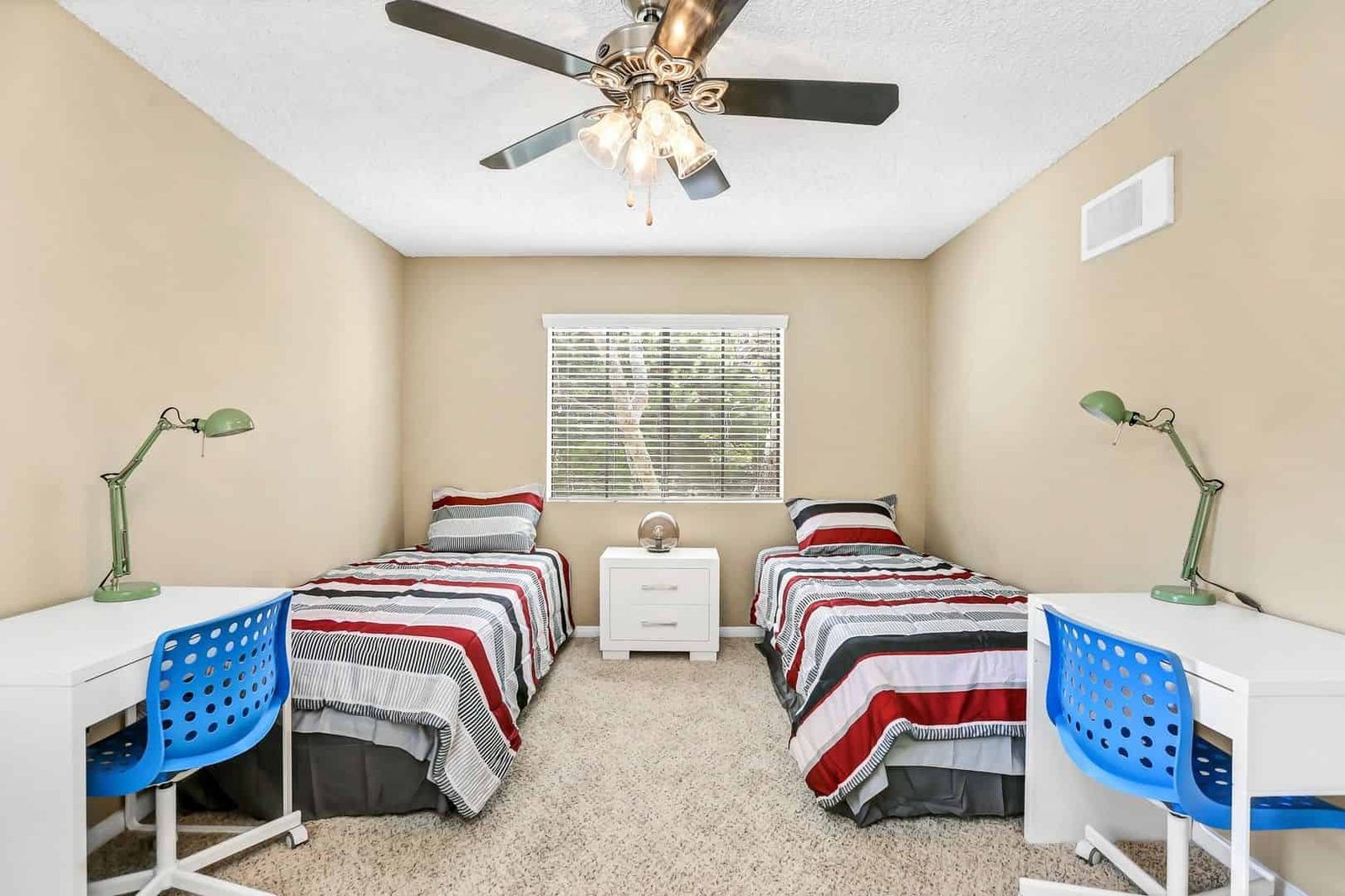
The available data shows 5 student properties in San Diego, with the lowest posted price at USD 800. All figures below are indicative — confirm with the operator.
-
Entry level (USD 800 – 950): Likely a private room in a shared apartment or house. These units may be older, smaller, or located farther from campus. The dataset’s single low point of USD 800 suggests that at least one property falls into this bracket. Given only 5 properties, it is unclear whether higher price bands are represented; students with budgets above USD 1,200 should check directly with operators or other listing platforms.
-
Mid-range (USD 950 – 1,200): Typical for a comfortable room in a central or coastal neighbourhood. Many purpose-built student housing operators price studios or 1-bedroom units in this range. Not explicitly shown in the dataset, but common in the wider market.
-
Premium (USD 1,200+): Usually a 1-bedroom apartment or a larger shared-unit room with amenities. The dataset does not contain any properties above USD 800, so this bracket may not be listed on the platform. Students seeking high-end options should expect to pay more than the recorded minimum.
Because the property count is small (5), the price distribution is limited. For a more complete picture, cross-reference with local rental websites and real estate listings. Always verify the final rent, including utilities and fees, with the property manager.
How Universities Map to Neighbourhoods
The dataset does not list any specific universities, but San Diego is home to several major higher education institutions. Each tends to draw students to surrounding areas. To avoid naming any institution, we describe the general pattern:
-
Large public research university in the north-west (near La Jolla): Students attending this campus often rent in Pacific Beach, University City, or the immediate La Jolla area. Commute via bus or car is common. Rent in those areas is generally above the dataset’s minimum, often USD 950–1,300 for a private room.
-
Another public university in the central-eastern area (near College Area): The surrounding neighbourhoods of Rolando, El Cajon, and La Mesa are affordable (rooms from USD 700–900). This aligns well with the USD 800 starting point. The dataset’s properties could be located here, given the lower price.
-
Private university near the centre (Hillcrest / Mission Valley periphery): Students often live in North Park, Hillcrest, or Mission Valley. Rent falls in the USD 800–1,050 range. Walkability and public transit are good.
Without specific university data from the platform, it is impossible to map the 5 listed properties to exact campuses. Prospective tenants should use the filter tools on the platform to sort by distance to their own university. Alternatively, contact the operator directly to ask about proximity to your intended campus.
Three Common Pitfalls for Student Renters
1. Lease Length and Summer Subletting
Many student leases run from August to July (12 months), but if your academic calendar has a long summer break, you may end up paying for months when the unit is empty. Some operators offer shorter 9-month leases, but they are less common in San Diego. Check whether subletting is allowed — if not, you might waste money. The dataset’s properties are likely year-long contracts. Always ask about early termination fees and sublease policies. Indicative — confirm with the operator.
2. Underestimating Transportation Costs
San Diego’s public transit is serviceable but not as extensive as in older cities. A car may be necessary if you live in an area like Pacific Beach and need to commute to an inland campus. Factor in costs: gas, parking permits (often expensive at campuses), and insurance. When looking at the USD 800 rent, remember that a car adds USD 150–300 per month. Conversely, living near a trolley station may let you skip a car but increase rent. The dataset’s low price might imply a location far from transit, requiring a vehicle.
3. Not Verifying the “Student” Designation
The 5 properties are labelled as “student housing,” but that can mean anything from a regular apartment building that rents to students to a dedicated residence with roommate matching. Some are managed by third-party operators who charge higher fees or require a guarantor. Always clarify: Is the unit an individual lease (you pay only for your room) or a joint lease (all tenants share liability)? An individual lease is safer if a roommate leaves. The dataset’s minimum price may be per person in a joint lease. Ask for a written breakdown of all costs. Indicative — confirm with the operator.
Booking Calendar and Timeline Tips
For fall move-in (August/September), start your search in February–March to secure the best choices. By May, many units are leased. The dataset reflects only 5 properties as of the data snapshot; if inventory remains low, early action is critical.
- February – March: Reach out to operators and ask about pre-leasing for 2026. Some may not have rates yet, but they can estimate. Note prices are indicative — confirm with the operator at that time.
- April – May: Most student housing listings go live. Compare the dataset’s 5 properties with other sources. Schedule virtual tours or send an inquiry.
- June – July: Sign lease and arrange payment of security deposit (often one month’s rent). Confirm move-in date and any move-in fees.
- August: Move in. Inspect the unit and report any issues within 48 hours.
If your academic year starts in January (spring entry), the booking cycle shifts to October–November. The dataset likely captures a single point in time; inventory changes monthly. Always check the platform’s latest numbers before making decisions.
Frequently Asked Questions
Q1: Is USD 800 a realistic budget for a private room? This depends on location and timing. The dataset shows a minimum of USD 800 for a student property, which is indicative — confirm with the operator. In central or coastal areas, a private room typically costs USD 900–1,200. To stay near USD 800, consider inland suburbs or shared rooms. The 5 properties in the dataset may include shared rooms or older buildings.
Q2: How can I find out which universities the 5 properties are near? The dataset does not list universities. On the platform, you should see a map or address for each property. Use that to check distance to your campus via Google Maps or the local transit agency. Contact the operator and ask directly: “How far is this property from [your institution]?” Never assume proximity without verification.
Q3: Are utilities included in the USD 800 price? The dataset does not specify what the USD 800 covers. Always ask for a full breakdown: rent, electricity, water, gas, internet, and any building fees (e.g., parking, gym). Some student listings include all utilities; others charge separately. Indicative prices may exclude utilities — confirm with the operator.
Q4: What happens if I need to cancel my lease after signing? Cancellation policies vary by operator. Some offer a cooling-off period (e.g., 72 hours), but most require a lease break fee (often one to two months’ rent) or forfeiture of the deposit. Read the lease carefully. If the dataset properties are operated by a large company, they may have a standard cancellation clause. Ask in writing before signing. Indicative — confirm with the operator.
Data as of early 2026. All prices are indicative — confirm with the operator before booking. The platform records 5 student properties; availability and rates change frequently.
See also: listing details · browse more