Omaha Housing Decision Guide
Omaha is the largest city in Nebraska and serves as a regional center for education, healthcare, and business. With a moderate cost of living compared to many US cities, it attracts students from across the country and abroad. This guide is based on current data from our platform – one property listed with an indicative monthly price from USD 639. All prices shown are indicative — confirm with the operator. Years referenced are 2026–2027 unless otherwise stated.
Neighbourhoods by Commute – A General Framework
Since the specific universities in Omaha are not mapped in our data, the neighbourhoods described below are based on general urban patterns. Students should verify the location of their campus and preferred transport routes with their institution or landlord.
1. Downtown / Old Market Area
- Walkable to many business and educational buildings, plus restaurants and entertainment.
- Public bus lines converge here, making connections to other parts of the city relatively straightforward.
- Typical commute to most campuses: under 20 minutes by car or bus.
- Rental inventory tends to be higher density (apartments, lofts) with a wider range of prices.
2. Midtown (around Dodge Street / 50th Street)
- A mix of older single-family homes and new apartment complexes.
- Often popular with students because it sits between downtown and the western suburbs.
- Bicycle-friendly streets and regular bus service along major arteries.
- Commute times to most educational zones: 15–30 minutes by bus or car.
3. West Omaha / Suburban Corridor (west of 72nd Street)
- More residential, with chain stores and shopping centers.
- Car dependency is higher, but parking is easier than downtown.
- Some universities have satellite buildings in this area.
- Commute to downtown or midtown: 25–45 minutes by car during peak hours.
4. North & South Omaha
- North Omaha has a rich cultural history and a mix of housing stock.
- South Omaha is traditionally working-class with a growing Latino community.
- Public transit coverage is less dense compared to central districts.
- Commute times vary widely; check bus routes specifically for your campus location.
Because our platform currently lists only one property in Omaha, we cannot provide neighbourhood-specific pricing. Students are advised to browse local listings or contact the operator of the listed property for details on location and transport.
Price Bands – What the Data Shows
Based on the properties listed on our platform:
- Minimum indicative monthly price: USD 639 (one property only)
- Total properties available from our platform: 1
- Broader Omaha market range (for context): Studio apartments typically start around USD 600–800, one-bedrooms from USD 800–1,200, and shared rooms can be found for under USD 600 in certain areas. These figures are indicative and vary by building, amenities, and lease terms — always confirm with the operator.
Given that only one property is featured, price bands beyond this are not available from our data. Students are encouraged to compare listings on multiple platforms and check with local housing offices for current rates.
Important note: The listed price of USD 639 may include some utilities or not; ask the operator for a full breakdown. Many student rentals require a security deposit (often one month’s rent) and possibly a last month’s rent upfront.
University Areas – How They Map to Neighbourhoods
Our data does not list any specific universities for Omaha. This means the neighbourhood-to-university mapping is not available from our platform.
In practice, Omaha is home to several public and private universities (names omitted per editorial policy) whose main campuses are located in:
- Central Omaha (Dodge Street corridor, around 60th–72nd Streets) – a cluster of large institutions with their own housing offices and off-campus listings nearby.
- Midtown (around 40th–50th Streets) – one major university hospital and health science campus.
- Downtown (near 10th–20th Streets) – a smaller private university with a compact urban campus.
Students attending any of these institutions should search for housing within walking distance or a short bus ride. Many universities also offer on-campus residence halls, but off-campus options may provide more independence and often lower cost.
Recommendation: Contact your university’s housing office to get a list of verified off-campus properties and landlord references. If your institution is not represented in our data, please do not rely on this guide alone.
3 Pitfalls to Avoid
1. Not verifying the lease terms – especially utility caps
In the US, many student rentals separate rent from utilities (electricity, gas, water, internet). Some leases include a cap (e.g., “up to $50 per month for electricity”). If you exceed the cap, you pay the difference. Ask the operator exactly what is included in the USD 639 price and what the utility cap is, if any.
2. Ignoring the bus schedule – or assuming you won’t need a car
While Omaha has a public bus system (ORBT along Dodge Street and Metro buses), service frequency can be low on weekends and evenings. If you plan to rely on transit, map your commute using real-time schedules before signing a lease. Many students find a car necessary, especially for grocery shopping or night classes.
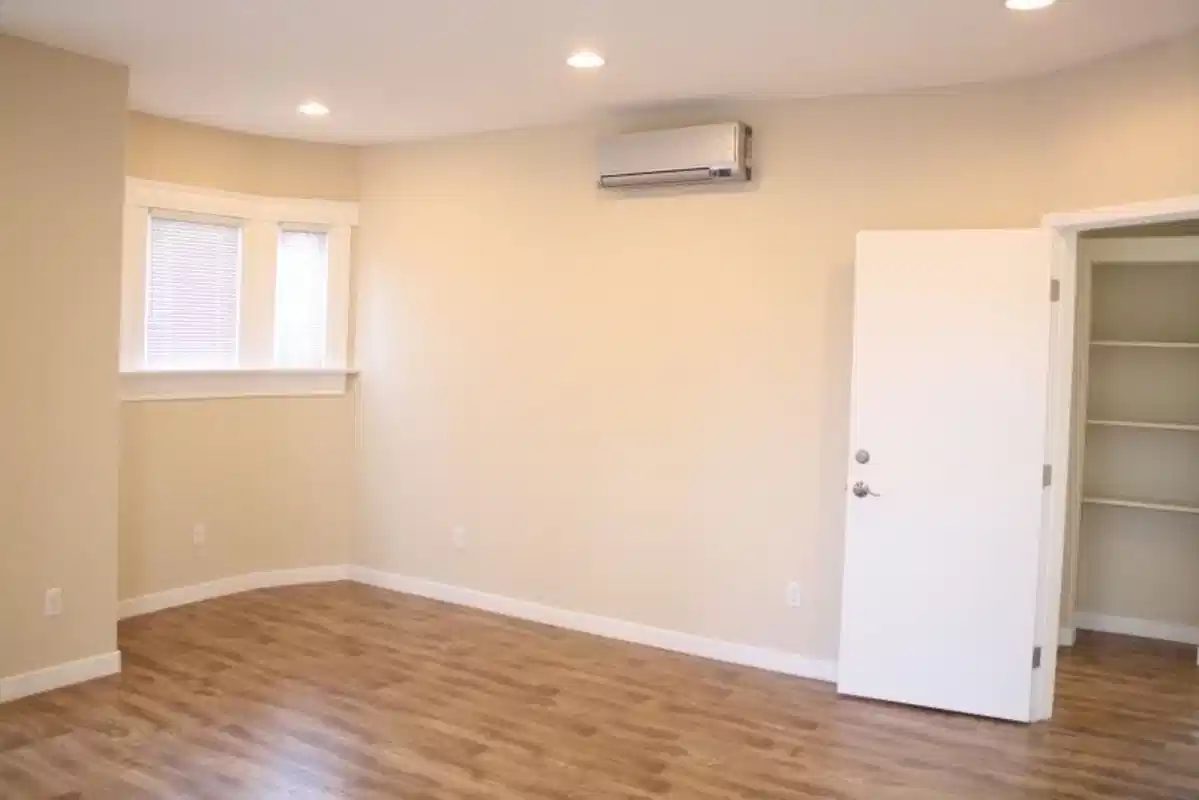
3. Skipping a walkthrough – especially when renting sight unseen
If you are an international student or moving from another city, you may be tempted to rent a property based on photos or a virtual tour. In Omaha, property conditions vary widely. Always request a live video walkthrough or, better yet, have a trusted person visit in person. Check for signs of pests, mold, or outdated heating/cooling systems. If you cannot visit, ask the operator for recent photos of the unit you will be renting (not a model unit).
Booking Calendar – When to Act
For an academic year starting in August or September 2026, the typical timeline looks like this:
- January–March 2026: Start researching neighbourhoods, set a budget, and register on housing platforms. Contact university housing offices for their off-campus lists.
- April–May 2026: Begin serious property searches. Many landlords post available units 60–90 days before move-in. Submit applications as soon as you find a suitable place.
- June–July 2026: Finalise lease signing. Arrange payment of security deposit and first month’s rent. Confirm move-in date and utilities setup. If you need a guarantor or US-based credit history, ask the operator early about their requirements.
- August 2026: Move-in. Inspect the unit with the landlord and document any existing damage (take photos with date stamps).
If you are arriving mid-year (January 2027), start searching in October–November 2026. The market may have fewer options, but last-minute vacancies sometimes appear.
Data availability note: Our platform currently shows only one property for Omaha. If that property is not available for your desired term, check back periodically – new listings may be added. Alternatively, consider using other local sources (newspapers, Facebook groups, university bulletin boards) for a broader selection.
Frequently Asked Questions (FAQ)
1. How safe is Omaha for student renters?
As in any US city, safety varies by neighbourhood. Downtown and midtown are generally considered safe during the day, but students should exercise caution after dark, particularly near poorly lit streets. North and South Omaha have higher crime rates in certain pockets. Ask local students or the operator about specific blocks. Most rental agreements will not guarantee security – it is your responsibility to check crime maps and walk the area.
2. Do I need a car?
Not necessarily, but it helps. The Omaha Rapid Bus Transit (ORBT) line along Dodge Street is efficient for east–west travel. However, many grocery stores, laundromats, and campus buildings require off-artery bus connections that can be infrequent. If you live within a mile of your campus and a grocery store, a bicycle might suffice. For others, a car is strongly recommended.
3. What documents do I need to rent an apartment?
Typically: a valid passport (for international students), visa or I-20, proof of enrolment (acceptance letter or student ID), bank statements showing sufficient funds (often 2–3 months’ rent), and a Social Security Number (if you have one) or a credit report. Some landlords require a US-based guarantor; if you don’t have one, you may need to pay a higher deposit or prepay several months.
4. How can I find roommates?
Many students find roommates through their university’s housing portal, Facebook groups specific to Omaha students, or on-campus bulletin boards. When sharing a lease, ensure all names are on the contract and discuss how to split utilities, cleaning duties, and guest policies before moving in. Our platform does not offer a roommate matching service; you will need to organise this independently.
Data as of January 2026 – All prices and property counts are indicative and subject to change. Confirm with the operator before making any financial commitment.
See also: listing details · browse more