Housing in Montreal: An Overview
Montreal offers a distinct student housing landscape shaped by its bilingual culture, relatively affordable rental market, and two main university campuses. For students enrolling at Concordia University, understanding how neighbourhoods connect to the school’s two primary locations — the downtown Sir George Williams Campus and the west-end Loyola Campus — is key to finding suitable accommodation.
This guide covers the logical links between commute options and neighbourhoods, the price range of available student properties, and how Concordia maps onto different areas. It also highlights three common pitfalls to avoid during the rental process and outlines the typical booking calendar for the 2026 academic year.
All prices mentioned are indicative — confirm with the operator. Data reflects 8 properties available on the platform, with a starting monthly rent of CAD 610.
Neighbourhoods and Commute Logic
When choosing where to live, most students balance rent, travel time, and access to amenities. Montreal’s efficient metro (STM), bus network, and bike paths make many neighbourhoods viable. The logic typically follows three bandwidths:
Walking distance (0–20 minutes on foot)
Properties within a 15–20 minute walk to either campus command higher rents but eliminate daily transit costs. These areas — downtown around Sir George Williams, and Notre-Dame-de-Grâce (NDG) near Loyola — have a high density of student listings.
Metro and bus commutes (15–40 minutes)
A single metro journey (STM) covers most of the island. Neighbourhoods like the Plateau-Mont-Royal, Mile End, and Rosemont are popular among students who prefer a lively atmosphere and are willing to ride 20–30 minutes to either campus. The Orange Line serves downtown, while the Green Line provides access to both campuses (Guy-Concordia station for Sir George Williams and Vendôme station with a bus transfer for Loyola).
Exurbs and longer commutes (40+ minutes)
Some students look to areas like Hochelaga-Maisonneuve, Verdun, or even Laval (via metro) for lower rents. These locations require 40–60 minutes of transit but can offer significant savings on rent. However, with only 8 properties listed on the platform, the selection in these zones may be limited.
Price Bands and Property Count
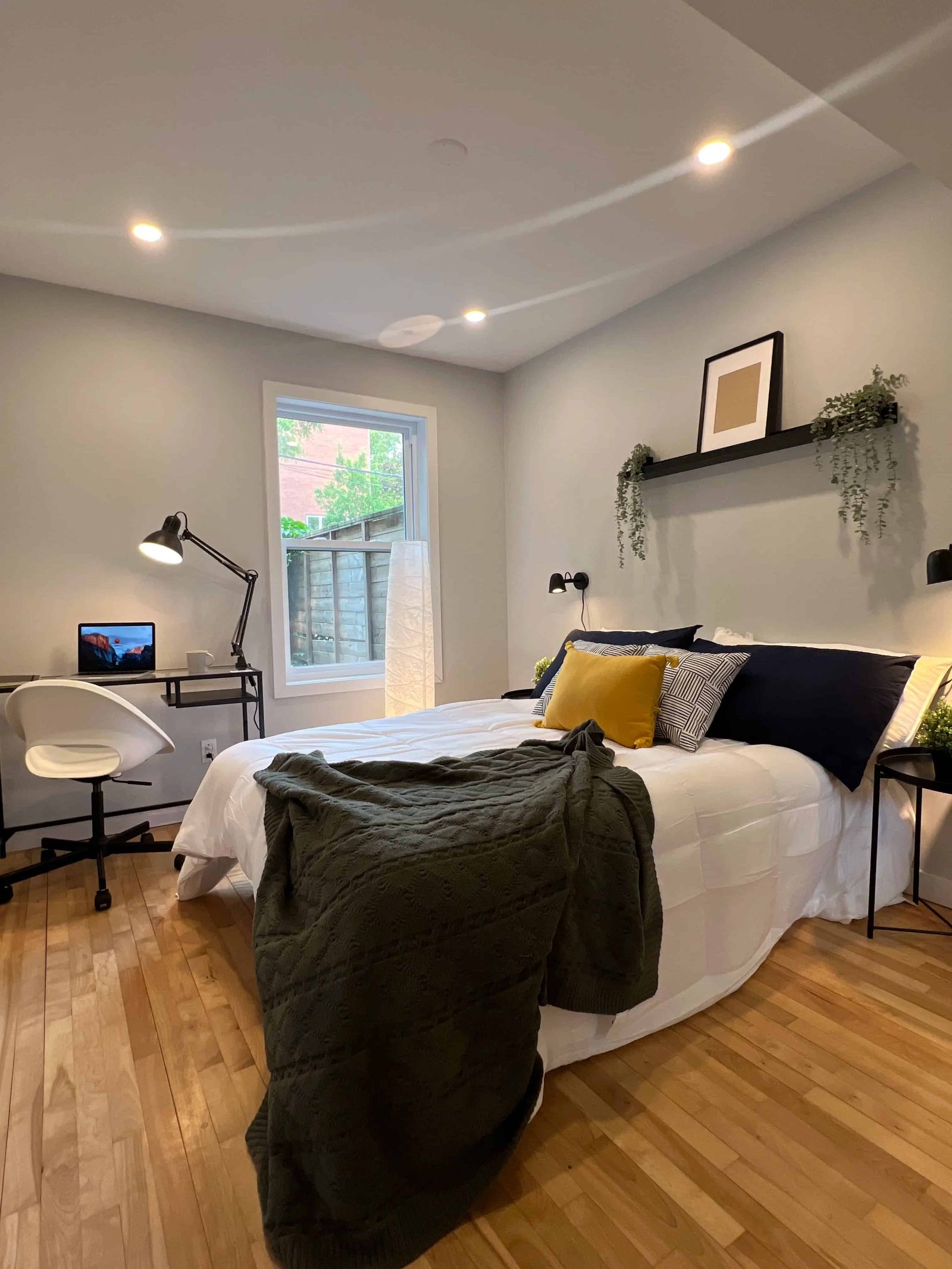
As of 2026, the platform lists 8 student properties in Montreal. The lowest advertised price is CAD 610 per month. Because each property offers different room types (private studios, shared apartments, en suite rooms), prices vary widely. Below is a breakdown of price bands based on the available listings:
- CAD 610–750 per month: typically shared rooms or smaller studios in less central neighbourhoods, or rooms in older buildings with shared kitchens and bathrooms. Indicative — confirm with the operator.
- CAD 750–950 per month: private studios or one‑bedroom apartments in mid‑range areas such as NDG or near the metro lines. Also includes some larger shared apartments with private bedrooms.
- CAD 950–1,200 per month: premium studios or one‑bedroom units in downtown Montreal, often in newer purpose‑built student residences with amenities like gyms and study lounges.
Note that all prices are per month and exclude utilities unless specified. Always verify inclusion of electricity, heating, and internet with the operator. The 8‑property count means supply is limited — early searching is advisable.
Concordia University and Its Surrounding Areas
Concordia University operates two main campuses:
Sir George Williams Campus (Downtown)
Located in the heart of Montreal’s business district, this campus is bordered by René Lévesque Boulevard, de Maisonneuve Boulevard, and Mackay Street. The surrounding neighbourhoods include:
- Downtown / Ville-Marie: high‑rise student residences, converted apartments, and a few purpose‑built properties. Walking distance is 5–15 minutes. Rent tends to be above CAD 900.
- Shaughnessy Village: a residential pocket just west of the campus with many older walk‑ups. Some studios fall in the CAD 700–900 range.
- Plateau-Mont-Royal: a 20‑minute walk or short bus ride. Known for its cafes and nightlife, with shared apartments from CAD 650–850 per room.
Loyola Campus (Notre-Dame-de-Grâce)
About 7 km west of downtown, Loyola is set in a quieter, tree‑filled part of NDG. Neighbourhoods linked to this campus include:
- Notre-Dame-de-Grâce (NDG) itself: a mix of triplexes and low‑rise apartments. Walking distance to Loyola. Studios start around CAD 700, shared rooms from CAD 610.
- Snowdon / Côte-des-Neiges: a short bus or metro ride away (Snowdon metro station). Culturally diverse, with many grocery stores and cheaper rentals. Studio prices from CAD 650.
- Westmount: an affluent borough adjacent to NDG. Very few student properties due to high rents, but some listed rooms may appear.
Because Concordia has two campuses, students should decide their primary campus for lecture locations and choose a neighbourhood accordingly. Cross‑campus commutes are possible via the 24‑hour bus 51 (between Loyola and Vendôme metro) or direct shuttle buses run by the university (not listed on the platform).
Three Common Pitfalls for Student Renters
1. Heating and Utility Costs in Winter
Quebec winters are long and cold. Many older buildings use electric baseboard heaters, which can significantly raise monthly costs. A “CAD 610” rent may not include electricity. Some landlords cover heating but not other utilities. Always ask: “Is hydro (electric) included? What about hot water and internet?” An additional CAD 80–150 per month in utilities is common for an apartment. Purpose‑built student residences often bundle these costs, but you must confirm with the operator.
2. Lease Transfer Rules (Cession de Bail)
In Quebec, tenants can transfer their lease to another person without the landlord’s approval — as long as the landlord cannot refuse unreasonably. Some students sign a 12‑month lease in August, then wish to leave in December. Rather than breaking the lease (which may incur penalties), they can find a replacement (called a “cession de bail”). However, many student housing operators use non‑standard leases that prohibit transfers or require fees. Read the fine print or ask the operator explicitly about lease transfer options before signing.
3. Short‑Term vs. Long‑Term Rentals
Many student housing platforms list properties that require a 12‑month lease starting in September. If you need housing only for an 8‑month academic term (e.g., September to April), you may have difficulty finding a suitable pro‑rated arrangement. Some operators offer 8‑month contracts at a premium, but others lock you into a full year. Confirm the minimum lease length and any early‑termination penalties. Conversely, month‑to‑month leases are rare in purpose‑built student residences — most demand a fixed term.
Booking Calendar for 2026
For students planning to move to Montreal for the 2026–2027 academic year, the booking timeline typically unfolds as follows:
- November 2025 – February 2026: Early bird period. Some operators release initial inventory and offer discounted rates. This is the best time to secure a desirable location or lower price.
- March – May 2026: Peak booking season. Most properties on the platform become available to book for September 2026 move‑in. Availability starts to drop, especially for downtown and NDG units under CAD 800.
- June – August 2026: Late booking. Remaining inventory may be limited to higher‑priced rooms or less convenient neighbourhoods. Some summer sublets appear, but these are not always listed on the platform.
- September 2026: Move‑in month. Many leases start on September 1. A few operators offer October start dates.
Because only 8 properties are listed, we recommend beginning your search no later than March 2026. Prices and availability shown are indicative — confirm with the operator. Be prepared to provide a deposit (usually one month’s rent) to secure a unit.
Frequently Asked Questions
1. Do I need a guarantor or co‑signer to rent a student property in Montreal?
It depends on the operator. Many purpose‑built student residences require a guarantor (someone who co‑signs the lease and is responsible for rent if you default). Some accept a security deposit instead. For international students without Canadian credit history, a guarantor is often mandatory. Always ask the operator what documentation they require — some accept proof of enrolment or a bank letter.
2. Can I get a lease for less than 12 months?
Some operators offer 8‑month leases (September to April) at a slightly higher monthly rate. Others only offer 12‑month contracts, but you may be able to sublet for the summer months. Confirm the exact term with the operator during your application. The platform’s 8 properties may have different policies — check each listing’s terms.
3. Are utilities included in the rent shown on the platform?
Not always. The starting price of CAD 610 may be for a room in a shared unit where electricity is extra. Some listings say “inclusive” (heat, water, electricity, internet). Others charge a flat fee or bill separately. Verify with the operator before booking. For winter months, heating costs can add CAD 50–80 per room per month.
4. What is the typical move‑in date for student housing in Montreal?
Most student housing leases begin on September 1 or September 2. A few operators offer August move‑ins for a summer program. If your academic term starts in September, plan to arrive a few days early. Confirm the exact move‑in date and time with the operator — some require appointments for key collection. Also ask about early possession if you need to arrive before the lease start.
Data as of 2026. All prices are indicative — confirm with the operator. Property count: 8. Starting price: CAD 610 per month.
See also: listing details · browse more