Why Minneapolis for Students?
Minneapolis is home to the University of Minnesota (System), a large public research university ranked 210 globally. The city offers a mix of urban convenience and Midwestern affordability. For the 2026–2027 academic year, there are 16 student housing properties listed on the platform, with the lowest starting price at $364 per week (indicative — confirm with the operator). This guide covers neighbourhoods organized by commute, price bands, how the university maps to areas, three common pitfalls, and a booking calendar. All prices mentioned are indicative; always verify with the operator.
Understanding Neighbourhoods by Commute to University of Minnesota
The University of Minnesota’s main campus straddles the Mississippi River, with the East Bank (academic core) and West Bank (arts, law, social sciences). Most off-campus student housing clusters within walking distance or a short bus/light-rail ride. Here are the key neighbourhoods, ordered by commute time.
1. Dinkytown (0–5 minutes walk to East Bank) Directly adjacent to the university, Dinkytown is the classic student hub. It has a mix of older low-rise apartments and newer purpose-built student towers. Grocery stores, restaurants, and bars are at your doorstep. Properties here often fill fastest. Expect rents above the city average.
2. Stadium Village (5–10 minutes walk to East Bank) Just south of the main academic buildings, near the football stadium. It’s a mix of student apartment complexes and some family homes converted to rentals. The light-rail Green Line runs through here, connecting to downtown Minneapolis and St. Paul. More modern mid-rise buildings are available, with slightly lower prices than Dinkytown.
3. Marcy-Holmes (10–15 minutes walk to East Bank) A residential neighbourhood north-east of campus, across the river. It offers older houses split into apartments, as well as a few small apartment buildings. Quieter than Dinkytown, but still walkable. Bicycle and bus are common. Prices are generally lower than Dinkytown and Stadium Village.
4. Como (15–20 minutes walk or 5 minutes by bike/bus) North of campus, across the railroad tracks. Mostly single-family homes with basement and upstairs rental units. More green space, but fewer services and longer walk. Good for students seeking budget options and a quieter atmosphere.
5. University West Bank (Cedar-Riverside) (5–10 minutes walk to West Bank) Across the river on the West Bank, serving students with classes on that side. A diverse, urban neighbourhood with high-density apartment buildings. Light rail stops nearby. Prices vary but are generally comparable to East Bank student zones.
6. Downtown Minneapolis (15–20 minutes by light rail or bus) Some students choose downtown apartments for a more professional environment. The light-rail Green Line takes about 10–12 minutes from downtown to the East Bank station. Rent can be higher, but amenities and nightlife are abundant. Not as popular for undergraduates.
7. Uptown (20–30 minutes by bus or bike) A trendy area with lakes, cafes, and shops. Commute is longer (bus or bike about 25 minutes). Mostly graduate students or those who value lifestyle over proximity. Rents are moderate to high.
Price Ranges and Property Counts
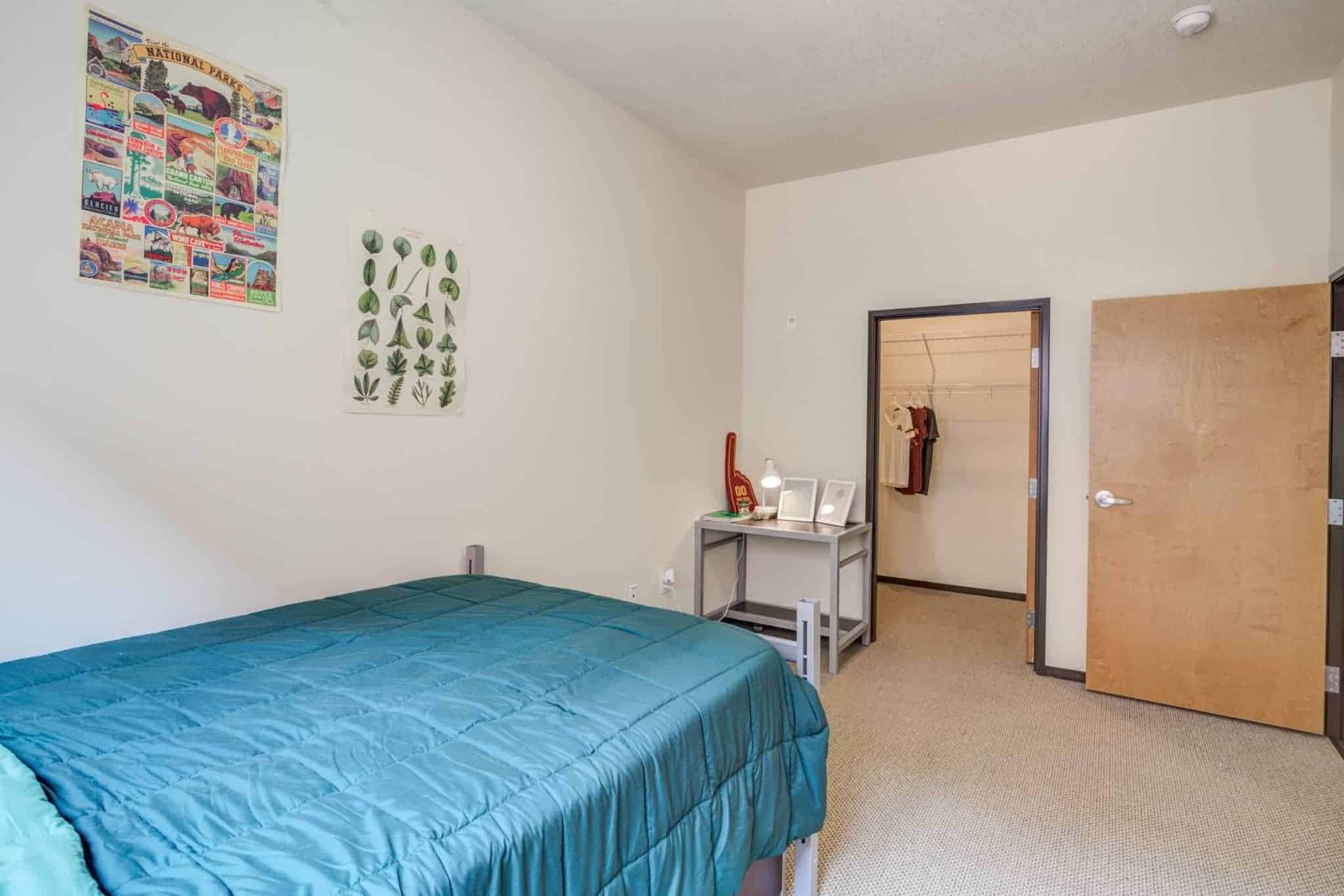
Across all 16 listed properties, the cheapest asking price is $364 per week (indicative — confirm with the operator). No maximum price is available from the data, but typical student housing in Minneapolis ranges roughly $350–$700 per week depending on location, room type (studio, shared, en-suite), and building age. For the 2026–2027 cycle, most properties will fall in the $400–$550 per week bracket for a standard room.
Here is a general breakdown by neighbourhood (indicative, confirm with individual operators):
- Dinkytown / Stadium Village: $450–$700 per week
- Marcy-Holmes / Como: $350–$500 per week
- Cedar-Riverside: $400–$550 per week
- Downtown / Uptown: $400–$650 per week
The platform lists 16 active properties. Availability changes quickly, so check regularly. Prices are subject to change based on lease duration, move-in date, and promotions.
How the University of Minnesota Maps to Popular Areas
The University of Minnesota (System) is primarily based on the Minneapolis campus, but its presence is felt city-wide. The main undergraduate and graduate schools operate on the East Bank and West Bank. Here is how each major area relates to the university:
East Bank (main academic core): Most classes, libraries, and student unions are here. The neighborhoods immediately adjacent — Dinkytown, Stadium Village, Marcy-Holmes — provide the shortest commute. The University’s light-rail station (East Bank Station) is the hub.
West Bank: Home to the Carlson School of Management, Humphrey School of Public Affairs, Law School, and some arts departments. Cedar-Riverside is the closest residential area. Students with classes on both banks can walk across the Washington Avenue Bridge (about 10 minutes) or take a shuttle.
St. Paul campus: A small portion of the University (e.g., College of Food, Agricultural and Natural Resource Sciences) is located in St. Paul, about 5 miles east. Students who need to go there may prefer Como or Marcy-Holmes for easier bus access. However, the listed properties are in Minneapolis; St. Paul options are not included in these data.
Graduate and professional schools: Many graduate students choose quieter neighborhoods like Marcy-Holmes, Como, or even Uptown for more space. Downtown is also popular for medical and dental students because of proximity to the University of Minnesota Medical Center.
Three Common Student Housing Pitfalls in Minneapolis
1. Underestimating Winter Utility Costs
Minneapolis winters are harsh, with temperatures often below zero Fahrenheit for weeks. Many older apartments use electric baseboard heat or outdated boilers, which can lead to high utility bills – sometimes $150–$300 per month in winter. Some landlords include heat in the rent, but many do not. Always check whether utilities (heat, electricity, water, internet) are included or extra. If not included, ask for average monthly costs. A cheap rent can become expensive after winter heating.
2. Long-term leases with no flexibility for summer travel
Most student leases in Minneapolis run from August/September to July/August (12 months). If you plan to go home or travel for the summer, you may still owe full rent. Some landlords allow re-letting or subletting, but many require you to find a replacement tenant yourself, often with fees. Purpose-built student accommodations sometimes offer 9-month or 10-month contracts, but they are less common. Before signing, confirm the subletting policy and whether early termination is possible.
3. Competing for units early – then paying a premium in September
The University of Minnesota sees high demand for off-campus housing, especially within a 15-minute walk of campus. Many desirable apartments in Dinkytown and Stadium Village are booked by March or April for the following fall. Waiting until late summer (July or August) leads to fewer options and often higher prices for any remaining units. However, signing too early (January or February) without visiting may result in a place that doesn’t meet your needs. Balance: start research in January, tour in February/March, and secure by April.
Booking Calendar for the 2026–2027 Academic Year
The academic year at University of Minnesota typically starts late August / early September, with fall semester orientation in the last week of August. Lease cycles for purpose-built student housing usually start in August or September, while private landlord leases often run September–August.
Use this timeline as a guide:
- January–February 2026: Begin browsing listings on the platform. 16 properties are listed now, but new ones may appear as the year progresses. Check neighbourhood descriptions and virtual tours.
- March–April 2026: Most property operators open bookings for August 2026 move-in. Prices are often at introductory rates. Apply early for popular buildings. This is the peak booking window.
- May–June 2026: Some properties still have availability, but choice narrows. You may still find deals, especially if you are flexible on location or room type.
- July 2026: Last-minute bookings. Expect limited inventory and possibly higher prices. Some operators offer move-in specials (e.g., one month free) to fill remaining rooms.
- August 2026: Move-in dates typically begin around mid-August. Confirm precise dates with your operator. Some buildings allow early move-in for an extra fee.
For winter/spring move-ins (January 2027): Some properties offer 6-month or 12-month leases starting in January. Availability is lower, but a few rooms may open due to early graduations. Start looking in October–November 2026.
Note: All dates are general. Always confirm with the specific housing operator.
FAQ: Four Common Questions About Student Housing in Minneapolis
Q1: Do I need a US guarantor to rent a student apartment? Most properties require a guarantor (co-signer) with a US credit history and income. International students without a US guarantor can often pay the full lease amount upfront (e.g., a full semester’s rent) or use a third-party guarantor service (e.g., The Guarantors or Insurent). Some purpose-built student accommodations accept international students without a guarantor if a deposit is paid. Check each property’s policy.
Q2: What is the typical lease length? The most common lease is 12 months (August 2026 – July 2027). Some student-specific buildings offer 9-month leases (August 2026 – May 2027), but these are not universal. If you only need housing for the academic year (September–May), ask if a shorter lease is available; you may pay a premium.
Q3: How is public transportation for getting to campus? Minneapolis has a reliable light-rail system (Blue and Green lines) and extensive bus network. The Green Line connects downtown Minneapolis, the university (East Bank and West Bank stations), and downtown St. Paul. Many student areas are within a 10-minute walk to a station. Buses also run frequently. A semester transit pass (through the university) costs about $120–$150. If you live close to campus, you may not need a pass.
Q4: Are the apartments furnished? Purpose-built student housing usually comes fully furnished with a bed, desk, chair, closet, and in-unit washer/dryer. Private landlord apartments vary: some include basic appliances but no furniture, others are unfurnished. Always check the listing description. The 16 properties on the platform likely include a mix; filter for “furnished” if you need it.
Data as of the 2026–2027 academic year listing cycle. Prices are indicative — always confirm with the operator before booking.
See also: listing details · browse more