Understanding Harrisonburg’s Housing Landscape
Harrisonburg is a mid-sized city in Virginia’s Shenandoah Valley, known for its college-town character and relatively affordable rental market. Based on current listings, the city has at least four student-oriented properties with a starting monthly rent of USD 495 (indicative — confirm with the operator). This price point puts Harrisonburg among the more budget-friendly options for students in the United States.
The rental market here serves a mix of local residents and students attending the city’s several higher-education institutions. While specific university affiliations are not provided in this dataset, the general housing demand is driven by the academic calendar, with leases typically running from August to July or September to August. Properties near campus and downtown tend to fill first, while units slightly farther out offer lower prices and more space.
Neighborhoods and Commute Patterns
Harrisonburg’s neighborhoods can be grouped by their proximity to the core academic and commercial districts. Commute patterns are shaped by the city’s layout: major roads like Route 42, Port Republic Road, and East Market Street connect residential areas to campus and downtown.
Downtown / Near‑Campus Core Properties within a 10‑minute walk or short bike ride to the main campus area are the most convenient, but also the priciest. This area includes historic houses converted into apartments and purpose‑built student housing complexes. Expect higher demand here, especially for units that include utilities or furnished rooms. Walking distance eliminates the need for a car, which is a significant cost saving.
Mid‑City Corridors (Port Republic Road, South Main Street) These corridors offer a mix of apartments, townhouses, and small single‑family rentals. Commute times by bus or bicycle are 10–20 minutes. Rent is generally lower than the downtown core, and parking is easier. Many properties along these roads have dedicated shuttle or bus routes timed to class schedules.
Outer Residential Areas (e.g., along Route 42, North Valley Pike) The most affordable units are found in these outlying pockets. Studios and one‑bedroom units can start around USD 495 (indicative). Commute by car is 15–25 minutes; public transport may require a transfer. These areas appeal to students who value lower rent and do not mind a longer drive or bike ride.
Near Shopping & Services Several apartment complexes are clustered around shopping plazas on East Market Street and by the Valley Mall. These provide easy access to groceries, restaurants, and retail. Commute to campus is 5–15 minutes by car, and many complexes offer shuttle service. Rent here is moderate, often including amenities like gyms and pool access.
The key takeaway: your choice of neighbourhood should balance rent, commute time, and access to services. Almost all student renters in Harrisonburg rely on either a personal vehicle, a bicycle, or the city’s bus system (Harrisonburg Transit) which offers free rides for students with a valid ID.
Price Bands and What to Expect
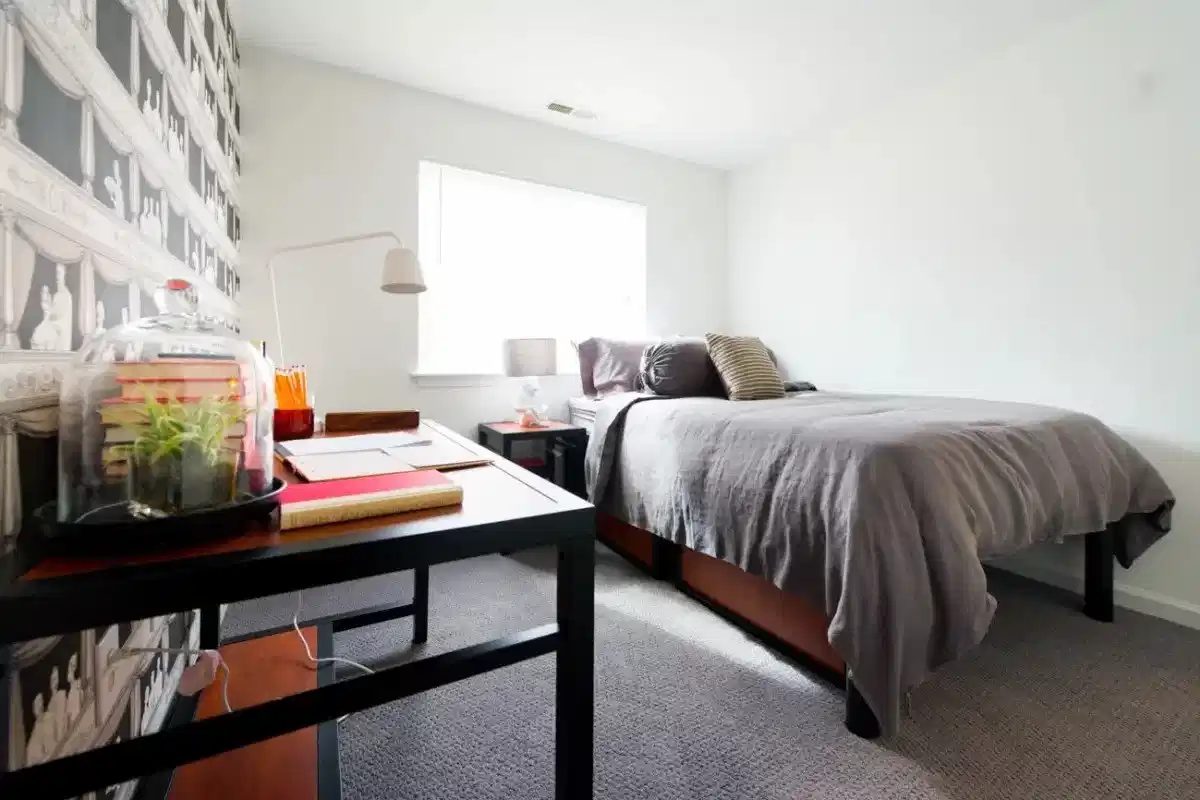
Based on the available listings, rental prices in Harrisonburg start at USD 495 per month. With a total of four properties in the dataset, it is important to understand that this is a snapshot of the market, not an exhaustive list. Actual prices vary by unit size, condition, and lease terms.
Typical price bands for student housing (indicative — confirm with the operator):
- Entry‑level studios / shared rooms: USD 495 – USD 600 per month. Often found in older buildings or houses subdivided into rooms. Utilities may not be included.
- Moderate one‑bedroom or larger shared apartments: USD 600 – USD 850 per month. Common in mid‑city corridor complexes and downtown conversions. Typically includes water and trash, but electricity may be extra.
- Premium / purpose‑built student housing: USD 850 – USD 1,200+ per month. These units offer furnished rooms, private bathrooms, on‑site gyms, study lounges, and sometimes all‑inclusive utility billing. Leases are often individual (per‑bed) rather than joint.
Because the dataset only shows a minimum price and a count of four properties, you should treat these bands as general guidance. Always verify current pricing with the property operator, as seasonal promotions and early‑bird discounts can shift costs by 10–20%.
What the USD 495 floor buys you: A small, possibly bare‑bones room in a shared house or a compact studio in an older building. Typically located in outer residential areas. You may need to budget separately for electricity, internet, and possibly water. If you value location or newer finishes, expect to pay towards the middle or upper end of the bands above.
Mapping Universities to Residential Areas
The dataset does not provide any university affiliations, but Harrisonburg is widely known as a college town with multiple post‑secondary institutions. Generally speaking, the rental market here is shaped by the presence of a large public university (the city’s primary employer and student population driver) as well as a community college and a private liberal‑arts college.
For the purpose of this guide, we can map the main residential zones to the approximate location of these institutions:
- Main Campus Area – This zone covers properties within a 1‑mile radius of the central campus. It includes downtown streets, parts of South Main Street, and neighborhoods along Grace Street and Cantrell Avenue. Most university‑related activity, events, and shuttle stops are concentrated here.
- South / Southwest Harrisonburg – Near the community college campus and along Port Republic Road. This area sees a mix of students from both the main university and the community college. It offers a quieter environment and more affordable rents.
- Eastern Corridor (East Market Street, Willow Run) – Closer to the private liberal‑arts college and some satellite facilities. Properties here often cater to upper‑division and graduate students, with larger floor plans and more parking.
If you are a student at any of these institutions, your best strategy is to search for housing within a 2‑mile radius of your specific campus building cluster. Many purpose‑built complexes advertise “steps from campus” or “shuttle to university” – confirm the exact route and stop location before signing.
Three Common Pitfalls for Student Renters
1. Underestimating utility and transportation costs A rent of USD 495 might seem like a steal, but the cheapest units often come at the expense of utilities. Gas, electric, water, and internet can add USD 100–200 per month. If the unit is far from campus, a bus pass (sometimes free) or car expenses (gas, parking permits, maintenance) can eat up the savings. Always calculate your total monthly cost, not just the rent.
2. Signing a lease without visiting the property or reading the fine print Because the student housing market moves quickly, some renters commit to a lease after only viewing a video tour. This can lead to surprises: broken appliances, mould, noisy neighbours, or clauses that make it difficult to sublet. Insist on an in‑person or live video walk‑through. Read every clause regarding utilities, guest policies, parking, and early‑termination fees.
3. Ignoring the move‑in and move‑out schedule Many student leases in Harrisonburg follow the academic calendar, with move‑in dates in mid‑August and move‑out in late July. If your semester ends earlier, you may have to pay for two months of empty apartment. Conversely, if you need housing in June for summer school, you might not find a lease that starts mid‑year. Some landlords offer summer sublets or short‑term leases, but they cost a premium. Plan your lease start and end dates around your actual academic needs.
Booking Calendar: When to Start Looking
Because Harrisonburg’s housing market is driven by the academic cycle, timing is critical. Here is a month‑by‑month guide (dates are approximate based on typical USA academic calendars):
October – December (of the previous academic year)
- Early bird renewals: returning students often renew their current leases for the next academic year, locking in their units.
- If you are a new student, start browsing listings online. Some purpose‑built communities pre‑lease for the following August as early as November.
January – March
- The bulk of new listings appear. Many properties release their availability for August move‑in.
- Pricing is usually at standard rates. Early leasing can save you 5–10% compared to summer.
- Visit the city if possible. This is also when you should finalise your roommate group.
April – June
- By April, most desirable units are already leased. You may still find good options, but the selection narrows.
- Sublets and summer leases become available, often at a discount.
- If you have not found housing yet, consider broadening your neighbourhood search.
July – August
- This is the peak moving window. Last‑minute vacancies appear as landlords confirm which returning students are not coming back.
- Expect higher prices and fewer amenities. You may need to compromise on location or unit features.
- If you are arriving in August, start your search in July at the latest. Be prepared to make decisions quickly.
September – October (move‑in)
- Some leases start in September for students entering later. These are rarer and often require a shorter commitment.
- If you missed the main window, look for month‑to‑month or semester‑only sublets.
Key advice: Start contacting operators at least 6–8 months before your desired move‑in date. Prices are indicative and subject to change; always confirm current availability and rates directly.
Frequently Asked Questions
Q1: Is the USD 495 price point for a whole apartment or just a room? A: The figure represents the minimum rental price across the dataset. In most cases, this corresponds to a single room in a shared house or apartment, or a very small studio. It is always best to ask the operator what the quoted rent includes (private room, shared unit, utilities, furnishings). Prices are indicative — confirm with the operator.
Q2: Do I need a car to live in Harrisonburg? A: Not necessarily. The city has a free bus service for students (with a valid ID), and many properties are within walking or biking distance to campus. However, if you live in an outer area or need to commute to a job or grocery store far from your apartment, a car can be convenient. Parking on campus often requires a permit.
Q3: Are utilities usually included in the rent? A: It varies. Some purpose‑built student housing includes all utilities in the rent, while others charge electricity and gas separately. Water and trash are often included. Always ask for a breakdown of what is covered before signing. The cheapest base rent may exclude everything except water.
Q4: What should I do if I need to move out before the lease ends? A: Most leases allow subletting with landlord approval, or charge a buyout fee equal to 1–2 months’ rent. Check your lease’s early termination clause. Some operators offer flexible 9‑month or semester‑length leases, but these are less common and typically cost more per month. If you anticipate an early move, discuss options with the operator before signing.
Data and Methodology Note
The rental figures in this guide are derived from a snapshot of active listings on a global student‑housing platform as of 2026. A total of four properties were recorded in the Harrisonburg market, with a minimum advertised price of USD 495 per month. All prices are indicative and should be confirmed directly with the property operator. University names are not included in this dataset; the neighbourhood and commute information is based on general knowledge of the Harrisonburg area and typical student housing patterns. For the most current rates and availability, contact operators directly.
See also: listing details · browse more