Understanding Dallas Housing & Commute Patterns
Dallas is a sprawling metropolitan city where car ownership and public transit often shape daily life. The Dallas Area Rapid Transit (DART) light rail system, along with bus routes, connects most major districts and universities. For students, the key decision factor is balancing rent with commute time. Most purpose-built student housing (PBSA) properties cluster near transit corridors or within walking distance to retail and dining hubs. Although this guide references generic neighbourhood descriptions based on typical student preferences, the actual distribution of the 12 listed properties may vary — always check the exact location with the operator.
When thinking about commute logic, students generally choose between living close to their campus (if they know it), near a DART station for easy rail access, or in a cheaper peripheral area with a longer journey. Dallas’s core neighbourhoods include:
-
Uptown: A dense, walkable area with many apartments and townhouses. It sits along DART’s Red, Blue, Green, and Orange lines (Cityplace/Uptown station). Rent tends to be higher, but the convenience of restaurants, shops, and entertainment offsets the cost for some students. Commute to downtown is roughly 5–10 minutes by train.
-
Lower Greenville: Known for its affordable eateries and nightlife, this area is served by DART bus routes. It is less reliant on light rail, so students may need a car or rideshare. Rents are generally moderate compared to Uptown.
-
Deep Ellum: An arts and music district with a vibrant atmosphere. It is directly on the DART Green and Orange lines (Deep Ellum station). Apartments here range from studios to larger units. Commute to downtown or central campuses is short.
-
Oak Lawn: A quieter, green neighbourhood with a mix of residential buildings. It is closer to the medical district and accessible via bus. Some PBSA properties are located here, appealing to students seeking a calmer environment.
-
Far North Dallas / Addison: More suburban, with lower rents but longer drive times. DART buses operate, but a car is almost necessary. These areas lie about 20–30 minutes from downtown by car.
Given that the provided data lists 12 properties and does not specify addresses, the best approach for a student is to map their commute using DART’s trip planner. A typical rule: properties within a 10-minute walk to a DART station are highly desirable for avoiding a car. However, many Dallas residents rely on personal vehicles; factor in parking costs (often extra in apartment buildings) and fuel.
Price Bands and Property Count
The dataset contains 12 student-housing properties in Dallas, with a minimum listed rent of USD 650 per month (indicative — confirm with the operator). No maximum price is given, so the range likely extends upwards depending on unit size, location, and amenities. Because the count is relatively small, the market for dedicated student accommodation may be tight. Students should also consider conventional apartments and shared houses, which may offer more variety.
Typical price tiers within the 12 properties (based on general Dallas PBSA market norms, not the data alone — caution: this is an inference):
- Budget (USD 650–850): Shared rooms or smaller studios, often in older buildings or less central neighbourhoods. These may require a longer commute.
- Mid-range (USD 850–1,200): Private studios or one-bedroom units in areas like Lower Greenville or near DART stations. Many include basic furnishings.
- Premium (above USD 1,200): Larger units or prime locations such as Uptown or Deep Ellum, possibly with high-end amenities like gyms, pools, and co-working spaces.
Important: All prices are indicative. Contact each operator to confirm current rent, utility inclusions, deposits, and any seasonal discounts. The USD 650 figure represents a starting point; actual availability at that price may be limited.
How Local Universities Map to Areas
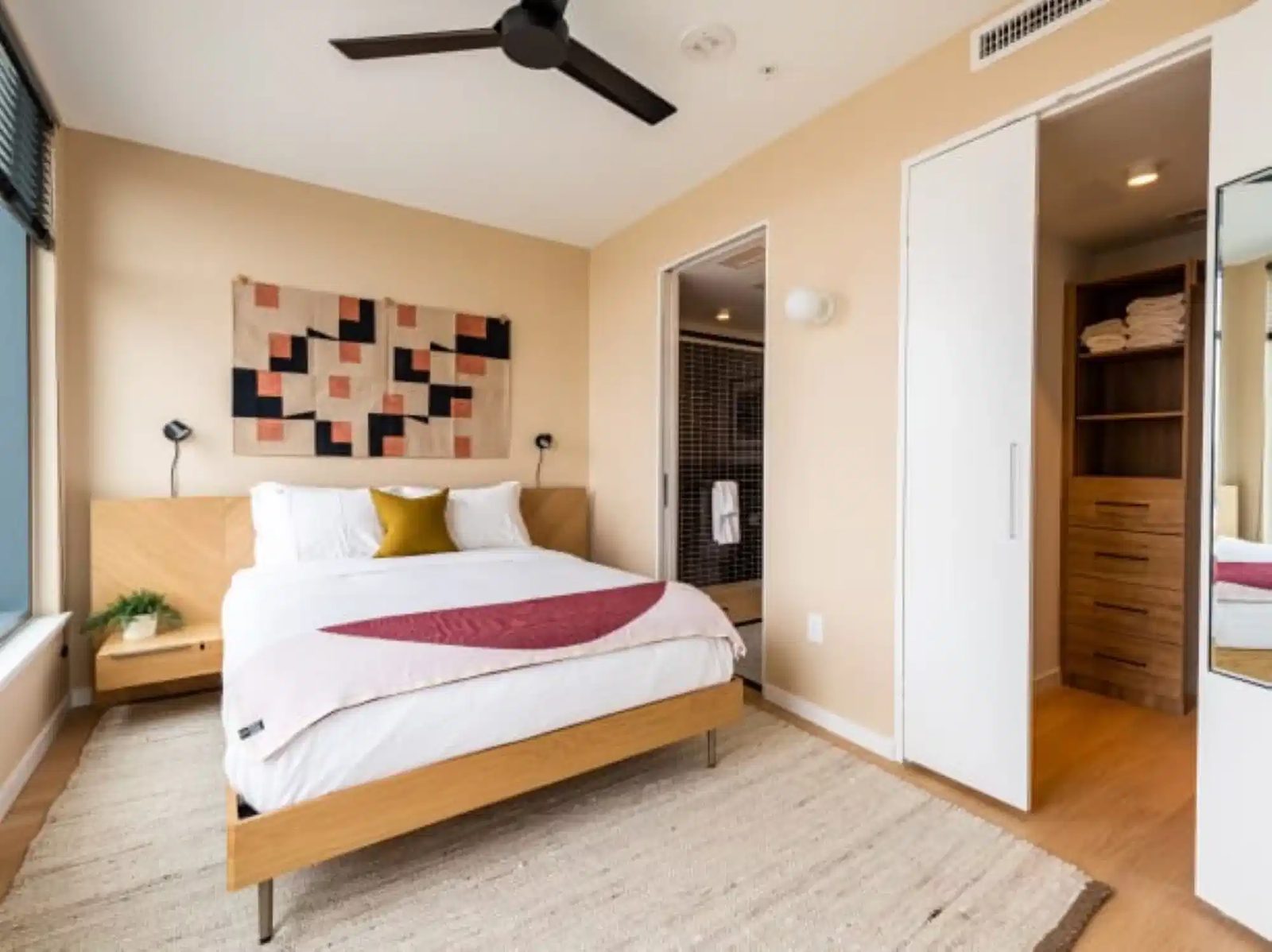
The provided data does not list any specific universities or colleges. Therefore, this guide cannot map particular campuses to neighbourhoods using the dataset. In practice, Dallas is home to several large institutions of higher education, each with a distinct geographic footprint. Students should identify their campus location and then filter available housing by commute distance.
General advice (not based on the data):
- If your campus is near downtown (e.g., in the city centre), Uptown, Deep Ellum, and Oak Lawn are convenient.
- If your campus is in the northern suburbs (e.g., Richardson or Plano), look for properties along the DART Red Line or near major highways.
- If your campus has multiple locations, check which one you attend most often and prioritise proximity, or choose a central neighbourhood with good transit connections.
Since the dataset lacks university names, this section cannot provide a neighbourhood-to-university map. Always confirm the exact travel time between a property and your specific classroom or lab building. Use driving or transit estimates during peak hours, as Dallas traffic can be heavy.
Three Common Pitfalls for Student Renters in Dallas
1. Utility Costs Are Often Not Included
Many Dallas rental contracts, including some student accommodations, charge rent plus separate utility bills for electricity, water, gas, and internet. Electricity usage can spike in summer (June–September) due to air conditioning, sometimes doubling the monthly cost. Before signing, ask the operator for an average utility estimate. If possible, set a budget that accounts for a USD 100–150 seasonal increase.
2. Lease Length and Flexibility
Student housing operators often require a 12-month lease. If you plan to go home over the summer or graduate mid-year, you might need to sublet or pay a penalty. Some properties offer 9- or 10-month academic year leases, but they are less common. Check the cancellation policy: some allow early exit with a fee (e.g., one month’s rent), others do not. If you are unsure about your plans, look for a property that offers shorter-term options or a guaranteed re-let program.
3. Parking and Transportation Costs
Dallas is car-oriented, but parking can be expensive (USD 30–150 per month) in apartment complexes, especially in dense areas like Uptown. Some properties charge an additional parking fee or offer only limited spaces. If you do not own a car, verify the frequency and reliability of nearby bus or train services. DART passes (USD 96 per month for unlimited rides as of 2025/2026) are affordable, but the transit network may not cover every destination. Budget for either parking or transit passes — do not assume one is free.
Booking Calendar for 2026 and 2027
Planning your housing in advance is crucial in a market with only 12 listed properties. The general booking timeline for Dallas student accommodation follows the academic calendar.
- For Fall 2026 (August move-in): Most operators open applications in January–March 2026. Early bird offers may appear, but discounts are not guaranteed. By April or May, many units are reserved. Aim to start researching in February and sign by April at the latest. The USD 650 starting price is likely available for a few early bookings; later applications may see higher rates.
- For Spring 2027 (January move-in): Availability is lower, as most leases run August–July. Some operators release a handful of units for spring semester. Start looking in September–October 2026. Be flexible — you might have fewer options.
- Summer 2026/2027 (June move-in): Even fewer dedicated student properties open for summer. Consider sublets from current tenants or short-term agreements. Many operators do not offer 3-month leases, so plan accordingly.
Booking too late (e.g., July for August move-in) may force you into higher-priced units or require you to find a private rental outside the PBSA pool. The 12-property count means competition can be intense for desirable locations. Set reminders and check listing updates regularly.
Frequently Asked Questions
1. What is the lowest rent I can expect in Dallas based on the data?
The dataset shows a minimum price of USD 650 per month (indicative — confirm with the operator). This could be a shared room or a small studio in a less central area. Actual availability at that price may change. Contact each property directly to verify current rates and any additional fees.
2. How do I choose a neighbourhood if I don’t know my campus location yet?
Without a specific university in the data, the safest strategy is to select a neighbourhood with good DART connectivity. Uptown and Deep Ellum offer rail access to many parts of Dallas. If you later learn your campus is in a different quadrant, you can adjust. Alternatively, wait until you know your campus before committing. Use the DART trip planner to simulate commutes from any address.
3. Are utilities usually included in the rent?
It varies by property. Some student accommodation includes water and internet but charges separately for electricity and gas. Others may bundle everything. The data does not specify utility policies, so you must ask each operator. Always request a written breakdown of what is covered and what is not. A typical all-inclusive bundle might raise the monthly cost well above the base rent.
4. How far in advance should I apply for a 2026 fall tenancy?
Start researching in February 2026. Applications usually open 5–7 months before move-in. The earliest applicants have the widest choice of units and price points. By May, many properties will be fully booked. If you miss the early window, keep checking for cancellations, but have a backup plan like a conventional apartment or short-term rental.
Data based on a snapshot of student housing listings for Dallas in 2026. All prices are indicative and subject to change. Confirm details with the individual operator before making any commitment.
See also: listing details · browse more