Overview of Cherry Hill Student Housing Market
Cherry Hill, New Jersey, is a suburban community within commuting distance of several major educational hubs in the Greater Philadelphia area. With 28 student housing properties currently listed, the market offers a range of options for students seeking a balance between quieter residential living and access to urban campuses. The minimum monthly rent across these properties is 479 USD — an indicative figure that varies by unit size, lease terms, and included utilities — and should be confirmed directly with the operator before any commitment.
The housing stock consists primarily of apartments, shared houses, and purpose-built student accommodation. Because Cherry Hill does not have a single dominant university within its immediate borders, most tenants are students enrolled at institutions located in Philadelphia (approximately 15–20 minutes by car or 30–45 minutes by public transit), Camden, or other nearby towns. The 28 available properties are spread across different parts of the city, giving students the flexibility to choose based on commute preferences, budget, and lifestyle.
Neighborhoods and Commute Patterns
Cherry Hill’s neighborhoods are interconnected by major roads (Route 70, Route 38, and the New Jersey Turnpike) and public transit routes (NJ Transit buses and PATCO Speedline connecting to Philadelphia). Below is a breakdown of the main residential areas and their typical commute characteristics.
-
Cherry Hill Mall Area – Centered around the Cherry Hill Mall and surrounding commercial corridors, this zone has the highest concentration of apartment complexes and student-friendly rentals. Public transit access is good, with multiple bus routes running to the PATCO Woodcrest station (10–15 minute ride to Center City Philadelphia). Typical commute: 25–35 minutes to Philadelphia campus areas by bus-train combination; 15–20 minutes by car.
-
East Cherry Hill (near Cooper River Park) – A quieter, more residential area with larger homes often converted into shared student housing. The PATCO Ashland station is nearby, providing direct service to Philadelphia. Commute time: 20–30 minutes by PATCO to 8th & Market streets. Car owners can reach Camden campuses in 10–15 minutes.
-
West Cherry Hill (near Barclay Farm) – Suburban neighborhoods with a mix of single-family homes and townhouse complexes. The area is less densely serviced by public transit; most students rely on cars or ride-sharing. Commute to Philadelphia by car: 20–25 minutes. Bike-friendly streets in some sections, but winter weather can be a factor.
-
South Cherry Hill (near Springdale Road) – Contains several newer apartment buildings and a growing student population. PATCO’s Woodcrest station is the primary transit link. Bus service to Camden County College and other local institutions is available. Commute time: 30–40 minutes to downtown Philadelphia by transit; 15–20 minutes by car.
-
North Cherry Hill (near Haddonfield border) – A more expensive area with historic homes and limited purpose-built student housing. Proximity to PATCO’s Haddonfield station (walkable) makes it attractive for students willing to pay more for a shorter transit commute. Time to Philadelphia by PATCO: 15–20 minutes.
When choosing a neighborhood, students should consider not only commute time but also the frequency of transit service (especially late-night or weekend schedules), parking availability at the property, and the walkability to grocery stores and other essentials.
Price Bands and Property Types
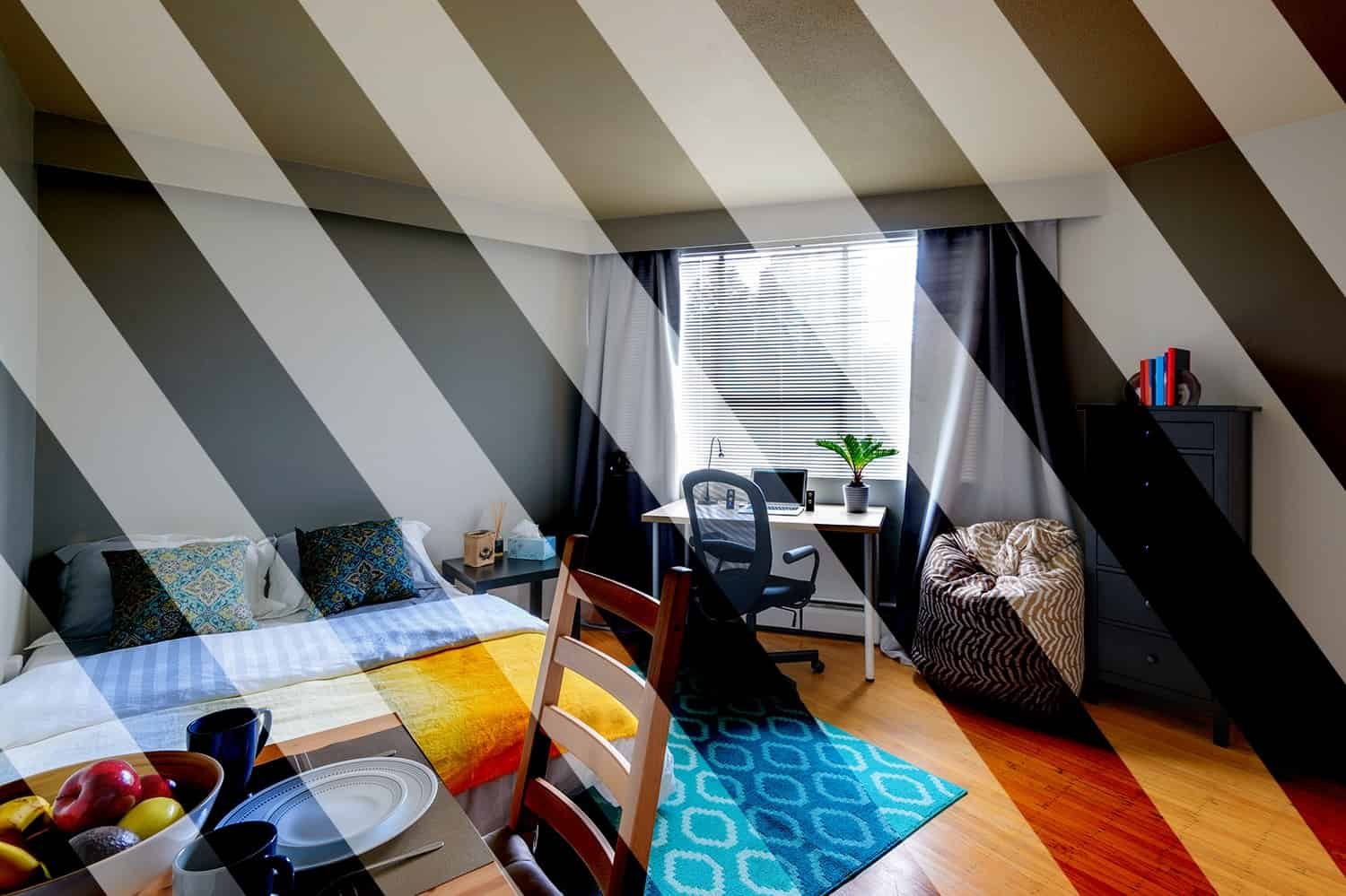
Based on the 28 properties listed, the minimum price of 479 USD per month serves as an entry point — typically for a room in a shared apartment or a small studio in a more distant area. Actual rents vary widely depending on the following factors:
- Room in a shared house – 479–650 USD per month (indicative — confirm with operator). Usually includes some utilities. Common in East and West Cherry Hill.
- Studio or one-bedroom apartment in a multi-unit building – 650–900 USD per month (indicative — confirm with operator). Concentrated near the Cherry Hill Mall and South Cherry Hill.
- One-bedroom in a newer purpose-built student complex – 750–1,100 USD per month (indicative — confirm with operator). Often includes furnished units, gym, and study lounges.
- Two- or three-bedroom units (per person) – 500–800 USD per month per tenant (indicative — confirm with operator). Most affordable per person when splitting a larger apartment.
It is important to note that prices can change seasonally (higher during August–September intake, lower in off-peak months). Additionally, some operators charge separate fees for parking, internet, or amenities — always ask for the total monthly cost before signing.
How Universities Map to Areas
While no specific university names are listed in the provided dataset, Cherry Hill’s housing market serves students attending a range of institutions within a 30-minute radius. Based on typical student commuting patterns, the following general mappings apply:
- Students whose campus is in Center City Philadelphia (e.g., institutions near 8th–Market, 15th–JFK, or University City) often prefer properties near PATCO stations: East Cherry Hill (Ashland station) or North Cherry Hill (Haddonfield station) for a direct, 20–30 minute train ride.
- Students attending Camden-based campuses (several institutions located along the Delaware River waterfront) typically choose South Cherry Hill or West Cherry Hill for a car commute of 10–15 minutes. Limited PATCO service to Camden exists via the Broadway station, but buses are more practical.
- Students enrolled at suburban campuses west of Cherry Hill (e.g., in Moorestown, Mount Laurel) tend to live in West or South Cherry Hill for easy access to Route 38 and 295.
- Students who need to reach multiple locations (e.g., inter-campus programs) often select the Cherry Hill Mall area for its central location and transit options.
Because the dataset does not include specific university-adjacent properties, students should verify the distance and transit routes to their own institution before committing to a lease.
Three Common Pitfalls
-
Underestimating total move-in costs – The advertised monthly rent of 479 USD often does not include an initial deposit (typically one month’s rent), application fees, utility setup charges, and sometimes a broker fee. Many operators also require the first month’s rent plus a security deposit upfront. Budget at least 1.5 times the monthly rent for move-in day. Always request a written breakdown of all fees.
-
Overlooking lease break and subletting terms – Student plans can change due to transfers, internships, or visa issues. Some Cherry Hill leases have strict penalties for early termination (e.g., forfeiting the security deposit plus two months’ rent). Check whether the lease allows subletting and what notice period is required. If possible, look for properties that offer flexible lease terms or student-specific clauses.
-
Ignoring utility and service responsibilities – In shared houses, tenants are often responsible for setting up and splitting electricity, gas, water, and internet. Disagreements over bills are a frequent source of tension among roommates. Before moving in, clarify who will hold the utility accounts, how costs are divided, and whether there is a cap on usage. Also confirm whether trash, recycling, and snow removal are handled by the landlord or the tenant.
Booking Calendar and Timeline
The student housing cycle in Cherry Hill follows the academic calendar of Philadelphia-area institutions, with the heaviest demand from May through September for leases starting in August or September. To secure the best selection and avoid last-minute stress, consider the following timeline:
- January–March – Begin researching neighborhoods and property types. Contact operators to ask about waitlists for the following academic year. Some early-bird discounts may be offered for leases signed by March.
- April–May – Tour properties (virtual or in-person). A signed lease by May often locks in the August move-in at the advertised price. After May, available units may become limited.
- June–July – Peak booking season. Many operators have rolling availability, but the best units (especially near PATCO stations) may be gone. Expect higher prices and less negotiation room.
- August–September – Last-minute openings may appear due to cancellations. However, the selection of price bands and neighborhoods will be narrow. Move-in within two weeks of lease start is typical.
- October–December – Off-peak period. Fewer new leases, but some operators offer reduced rates for winter-start leases (e.g., January move-in). Ideal for students who are transferring or starting mid-year.
Given the 28-property inventory, booking early is strongly advised for anyone who prioritizes a specific location or budget range.
Frequently Asked Questions
-
Is the 479 USD price truly the lowest available?
Yes, that is the minimum listed price among the 28 properties. However, it is indicative — confirm with the operator — and may apply to a room in a shared house with a 12-month lease. Shorter leases or furnished units usually cost more. -
Do I need a car to live in Cherry Hill as a student?
Not necessarily. The PATCO Speedline and NJ Transit buses provide reliable access to Philadelphia and Camden. However, neighborhoods far from PATCO stations (e.g., West Cherry Hill) can be difficult without a car. If you rely on public transit, choose a property within walking distance of a station or a direct bus route to your campus. -
Can I find housing with flexible lease terms ( e.g., 6 months or semester-long)?
Some operators offer short-term leases, but they are less common and usually come with a higher monthly rate. Your best bet is to ask directly. If you only need housing for a semester, consider subletting from a student who is leaving — check online bulletin boards or ask the property manager about existing tenants looking for subletters. -
What documents do landlords typically require?
Most operators ask for proof of enrollment (acceptance letter or student ID), a valid passport or driver’s license, bank statements or a guarantor’s information (if you have no US credit history), and a completed rental application. Some may require a Social Security Number, but international students can often provide alternative proof of financial ability.
Data as of early 2026.
See also: listing details · browse more