Canberra Student Housing Decision Guide (2026–2027)
Canberra is Australia’s capital and home to the Australian National University (ANU), which ranks 32nd globally. The city has a compact layout, a reliable bus network, and a student population that makes up a significant share of residents. Student housing options are limited but concentrated near the university and city centre. This guide covers neighbourhoods organised by commute, current price bands from platform listings, advice specific to ANU locations, three common pitfalls, and a booking timeline.
Neighbourhoods by Commute Logic
Choosing a suburb in Canberra depends largely on how you plan to travel to ANU’s main campus in Acton. The city’s public transport is bus-only, with dedicated lanes on major routes. Most students walk, cycle, or take buses that run every 10–15 minutes during peak hours.
Acton
- Distance to ANU: 0–1 km (most of the campus is within Acton)
- Commute: walking from any student accommodation in this suburb takes under 10 minutes to lecture buildings.
- Atmosphere: quiet, mostly university‑owned buildings and a few private apartments. Limited grocery shops and eateries – you will go to Civic for variety.
- Rent range: indicative – confirm with the operator. Studio or one‑bedroom units from about 280–350 AUD per week. Shared flats are rarer in Acton.
Civic (Canberra City)
- Distance to ANU: 1–2 km
- Commute: 15‑minute walk or 5‑minute bus (free City Loop buses are available during the day).
- Atmosphere: central business district, with supermarkets, restaurants, banks, and entertainment. Many high‑rise apartments and shared houses.
- Rent range: shared rooms from 200 AUD per week; one‑bedroom apartments from 350 AUD. Indicative – confirm.
Braddon
- Distance to ANU: 1.5 km east of campus
- Commute: 20‑minute walk or 5‑minute bus. A popular cycling route with bike lanes.
- Atmosphere: trendy area with cafes, bars, and boutique shops. Mix of new apartment blocks and older houses converted into share houses.
- Rent range: similar to Civic – 200–260 AUD for a room in a shared flat. Indicative – confirm.
Turner
- Distance to ANU: 2–3 km north
- Commute: 25‑minute walk or 10‑minute bus (route 52, 53). Cycle path along Barry Drive.
- Atmosphere: largely residential with a mix of houses and low‑rise apartments. Close to O’Connor shops and a supermarket.
- Rent range: slightly lower – 180–230 AUD for a room in a shared house. Indicative – confirm.
O’Connor
- Distance to ANU: 3 km north
- Commute: bus route 53 (15‑20 minutes) or cycle via the shared path. Walking takes 30 minutes.
- Atmosphere: quiet, leafy suburb with a small local shopping strip. More affordable than Civic or Braddon.
- Rent range: 170–220 AUD per week for a room. Indicative – confirm.
Belconnen
- Distance to ANU: 8–10 km northwest
- Commute: rapid bus (R6, R7) takes 20–25 minutes to the city; then walk 5 minutes to campus. Monthly MyWay pass about 100 AUD for students.
- Atmosphere: a major town centre with Westfield, lake views, and many student‑targeted apartments near the University of Canberra (though not listed here).
- Rent range: lower – 150–200 AUD for a room in a shared apartment. Indicative – confirm.
Kingston
- Distance to ANU: 4 km southeast
- Commute: bus 56 or 57 to city (15‑20 minutes) and then walk or transfer.
- Atmosphere: lakeside dining and cafés. Expensive but offers a different lifestyle.
- Rent range: 250–350 AUD for a room. Indicative – confirm.
The general rule: the closer you are to ANU, the higher the rent. Walking distance areas (Acton, Civic, Braddon) are convenient but command premiums. Cycling or bus suburbs (Turner, O’Connor) balance cost and convenience. Outer suburbs (Belconnen, Kingston) offer lower prices but add commute time and cost.
Price Bands and Current Listings
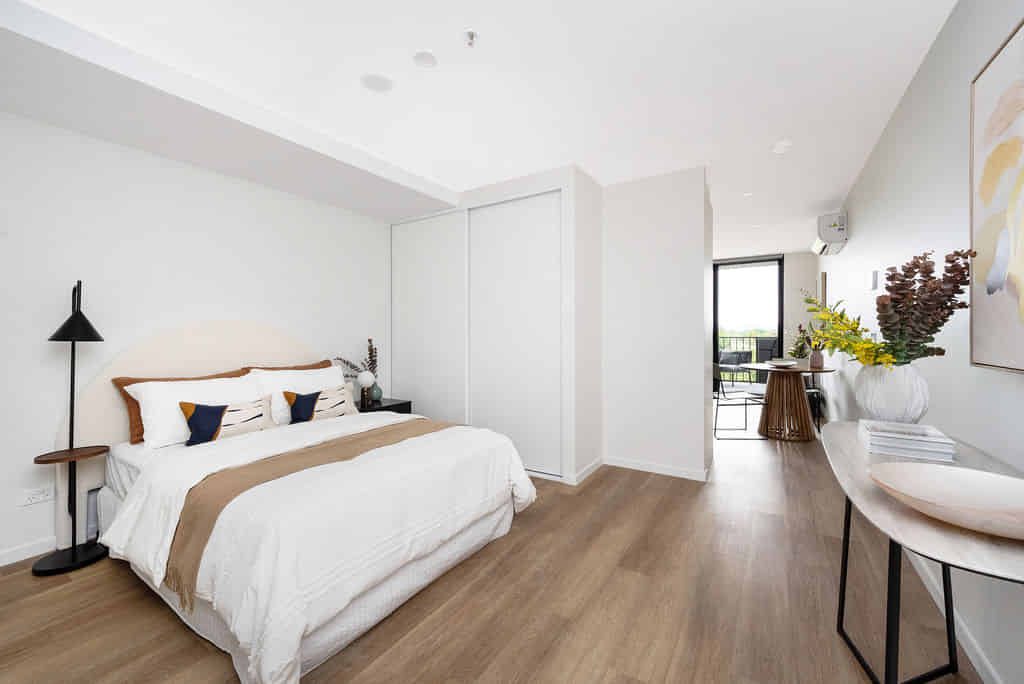
According to the platform data for Canberra (2026), the minimum price observed is 200 AUD per week. A total of four student‑oriented properties are listed. While the exact price distribution is not given, typical bands for the city are as follows:
- 200–250 AUD per week: shared rooms in Civic or Braddon apartments, often with 3–4 bedrooms. Utilities may be included or billed separately. Indicative – confirm with the operator.
- 250–350 AUD per week: studio or one‑bedroom apartments in Civic, Braddon, or Acton. Some may be in purpose‑built student accommodation (PBSA) with gyms and common areas.
- 350–450 AUD per week: larger one‑bedroom or two‑bedroom apartments in prime locations, often fully furnished.
The four listed properties are likely within the 200–350 AUD range. For the most accurate rates, contact each operator directly. Rent in Canberra has risen steadily in the past two years, so any figure should be treated as indicative until the accommodation provider confirms availability and price for your intended stay.
How the Listed University Maps to Areas
The Australian National University (ANU) operates one main campus in Acton (Canberra city centre). Most undergraduate and postgraduate teaching, libraries, and student services are located there. A smaller ANU campus at Kioloa (coastal field station) is not relevant for day‑to‑day housing.
Because ANU’s footprint occupies a large part of Acton, student housing is concentrated in the neighbourhoods immediately surrounding it. The areas described in the previous section all feed into Acton via short commutes.
- Acton itself contains AN‑owned accommodation (not listed on this platform) and private studios. It is the most convenient but also the most expensive.
- Civic and Braddon are the most popular private markets for ANU students. Buses from Civic arrive at the ANU bus stop inside campus every few minutes.
- Turner and O’Connor are classic student‑housing suburbs with many older houses converted into share houses. They are close enough to cycle or walk.
- Belconnen serves students who prefer newer, cheaper apartments. A direct rapid bus line makes it viable.
If you are enrolled at ANU, the key decision is whether you want to be within walking range (accept higher rent) or within a short bus/cycle ride (accept lower rent but travel time and bus fare). The university itself does not run a shuttle; public buses are the option.
Three Pitfalls in Canberra Student Housing
1. Underestimating Winter Heating Costs
Canberra has cold winters (average July low 1°C). Many older houses lack insulation or adequate heating, leading to gas/electricity bills of 150–300 AUD per month in a shared house. When comparing rents, always check what is included. A low‑rent property with no heating allowance can become expensive. Ask the operator whether the lease includes utilities and what type of heating is installed (reverse‑cycle air‑conditioning or gas heater is preferable).
2. Overlooking the “First‑Month Rent in Advance + Bond” Rule
In the Australian Capital Territory (ACT), landlords typically require four weeks’ rent as a bond (deposit) plus two weeks’ rent in advance at signing. For a 200‑AUD‑per‑week room, you need 800 AUD bond + 400 AUD advance = 1,200 AUD upfront. Many international students are caught by this cash flow requirement. Budget accordingly, even if the weekly rent seems manageable.
3. Choosing a Suburb Without Checking Bus Frequency
Some suburbs (e.g., Curtin, Deakin, Red Hill) are not serviced by direct rapid buses to ANU. You may need to change buses or wait 30 minutes off‑peak. While these areas may have lower rents, the time cost and timetable stress outweigh the savings. Stick to bus routes that run at least every 15 minutes during study hours. Use the Transport Canberra journey planner before signing a lease.
Booking Calendar for 2026 and 2027
Student housing in Canberra operates on a standard academic year. Semester 1 starts in February; Semester 2 in July. Private rentals and PBSAs open bookings at different times.
For a February 2026 start (Semester 1)
- October–November 2025: begin research and shortlist properties. Contact operators for availability.
- December 2025: many PBSAs release their inventory for the next year. Private shared houses may list earlier or later.
- January 2026: peak booking period. Some operators offer short‑stay options if you need to arrive before the lease starts.
- Note: February is the busiest month; early birds get the best choice in Civic and Braddon.
For a July 2026 start (Semester 2)
- April–May 2026: start looking. Fewer students move mid‑year, so competition is lower, but supply may also be small.
- June 2026: confirm lease and arrange move‑in for late June or early July.
For a February 2027 start
- The same timeline applies, shifting by one year. Start research in October 2026.
- If you are applying for university accommodation (not covered here), ANU typically opens applications about seven months before intake.
Allow at least two weeks between lease start and move‑in for document checks and bond lodgement. Many operators require a signed agreement and payment before you arrive in Australia.
Frequently Asked Questions
1. What is the average rent for a student room in Canberra, and is it inclusive of bills?
Private rental rooms in share houses range from 150 to 260 AUD per week. Purpose‑built student accommodation studios start around 300 AUD. Bills are sometimes included in PBSA rates (electricity, water, internet) but not always in private rentals. Always read the tenancy agreement or ask “Is the rent inclusive or exclusive of utilities?” Indicative – confirm with the operator.
2. Should I book accommodation before arriving in Canberra, or can I find something after arrival?
For international students, booking before arrival is strongly recommended. Flights and quarantine (if any) make short‑term searching difficult. Two‑week temporary accommodation (e.g., Airbnb or a hostel) can give you time to inspect places, but in January–February the rental market is very tight. Use the platform to secure a room in advance and have a confirmed bed on arrival.
3. Are there any student‑specific lease terms I should watch out for?
Yes. Some leases include a “break lease” fee (up to six weeks’ rent) if you need to leave early. Others require a guarantor (Australian resident). In ACT, standard residential tenancy agreements apply – you have the right to request bond registration with the ACT Office of Rental Bonds. Avoid any operator who asks for cash or refuses a written contract. If the landlord is overseas, check who the local agent is.
4. How do I get from the airport to my accommodation?
Canberra Airport is about 7 km from the city centre. There is no train; options are a taxi (40–60 AUD) or rideshare. A bus route (airport shuttle) operates limited services; connections to the city are available with a transfer. For a first‑time arrival, booking a transfer service or a taxi is easiest. The airport is small, and all rideshare drivers know the student areas.
All prices are indicative – confirm with the operator. Data as of early 2026. Availability and rates change frequently; always verify details directly with the accommodation provider before making any commitments.
See also: listing details · browse more