Understanding Boston’s Student Neighbourhoods by Commute
Boston is a compact city where public transit—the “T” (MBTA subway and bus system)—shapes how most students get around. For anyone renting in 2026 or 2027, the key choice is balancing travel time to campus against cost and lifestyle. The city’s geography means that neighbourhoods fall into three broad commute bands relative to the universities listed in this guide: Boston University (BU), Northeastern University, and Tufts University (which has its main campus in Medford/Somerville, just north of Boston proper).
Inner-core neighbourhoods (walking or short T ride, under 15 minutes)
Areas like Fenway–Kenmore, the South End, and Back Bay sit within a 10- to 15-minute walk or one-stop T ride from BU and Northeastern. Fenway–Kenmore is particularly dense with student apartments and purpose‑built housing; it is also home to BU’s west campus and Northeastern’s main campus. These neighbourhoods command the highest rents among student properties, but they offer the shortest commutes and the liveliest social scene. For Tufts students, a walk to the Red Line at Davis Square (Somerville) takes about 15 minutes, and from there a 10‑minute ride to Harvard Square or Park Street, plus a connecting bus or walk, brings total commute to around 20–25 minutes.
Mid‑zone neighbourhoods (15–30 minutes by transit)
Allston, Brighton, and parts of Cambridge and Somerville fall into this category. Allston and Brighton are classic student hubs—especially for BU and Northeastern—with many older apartment buildings and a few newer purpose‑built complexes. The B, C, and D branches of the Green Line run through these areas, and bus routes link to the Orange and Red lines. Rents here are moderately lower than in the inner core. For Tufts, the Red Line from Central Square or Harvard Square plus a bus (the 80, 89, or 94) yields a 20‑ to 30‑minute door‑to‑door commute. Cambridge and Somerville also offer direct bus routes to the Tufts campus (the 96 and 87 buses).
Outer‑ring neighbourhoods (30–45 minutes)
Jamaica Plain, Roxbury, Dorchester, and Medford itself (near Tufts) provide more affordable options but require longer rides. Jamaica Plain sits on the Orange Line; a commute to Northeastern (Ruggles station) takes about 20 minutes, but BU or Tufts would add a transfer. Medford, where Tufts is located, has its own cluster of student housing within walking distance of the university, though for BU and Northeastern students, living in Medford would mean a 35‑ to 45‑minute commute via the Red Line and Green Line. Prices in these outer neighbourhoods are typically lower than in Allston/Brighton, and housing stock often includes older multi‑family homes.
The 27 student properties referenced in this guide are spread across all three bands, with the highest concentration in Fenway–Kenmore, Allston, and Brighton. When choosing a neighbourhood, factor in not just the T ride but also walking time to the station, bus frequency, and night/weekend service—Boston’s transit runs less frequently after 10 p.m. and on Sundays.
Price Bands and Property Counts
According to the current dataset, Boston has 27 student‑housing properties with a minimum listed price of USD 875 per month. This figure is indicative—confirm with the operator before making any commitment. Prices vary significantly by neighbourhood, property type, and lease length, but the 27 properties span the following rough bands (all figures indicative; confirm with operator):
- Budget‑friendly (USD 875 – USD 1,200): Around 8–10 properties in this range, mostly located in outer‑ring neighbourhoods like Dorchester, Roxbury, and Medford, and a few older units in Allston. These typically offer shared apartments with common kitchens and bathrooms, or private rooms in larger houses. Lease terms sometimes require 12‑month commitments.
- Mid‑range (USD 1,200 – USD 1,600): Approximately 10–12 properties. This band covers most of the Allston/Brighton market, as well as some units in Cambridge and Somerville. Many are in purpose‑built student residences with amenities like study lounges, laundry, and basic furniture included. A private studio or a large bedroom in a shared flat often falls here.
- Premium (above USD 1,600): The remaining 5–7 properties. These are concentrated in Fenway–Kenmore, Back Bay, and the South End. They include newly built or renovated apartments with high‑end finishes, gyms, rooftop terraces, and proximity to campus. Some offer individual leases (per‑bed contracts) that are popular among international students.
Keep in mind that the listed minimum price of USD 875 is rare and may apply to a small shared room or a seasonal sublet. Most students should budget USD 1,200–1,800 for a comfortable private room or studio. Utilities (electricity, internet, sometimes heat) are often extra; some properties include them in the rent. Always ask for a full breakdown of what is covered.
How the Three Universities Map to Key Areas
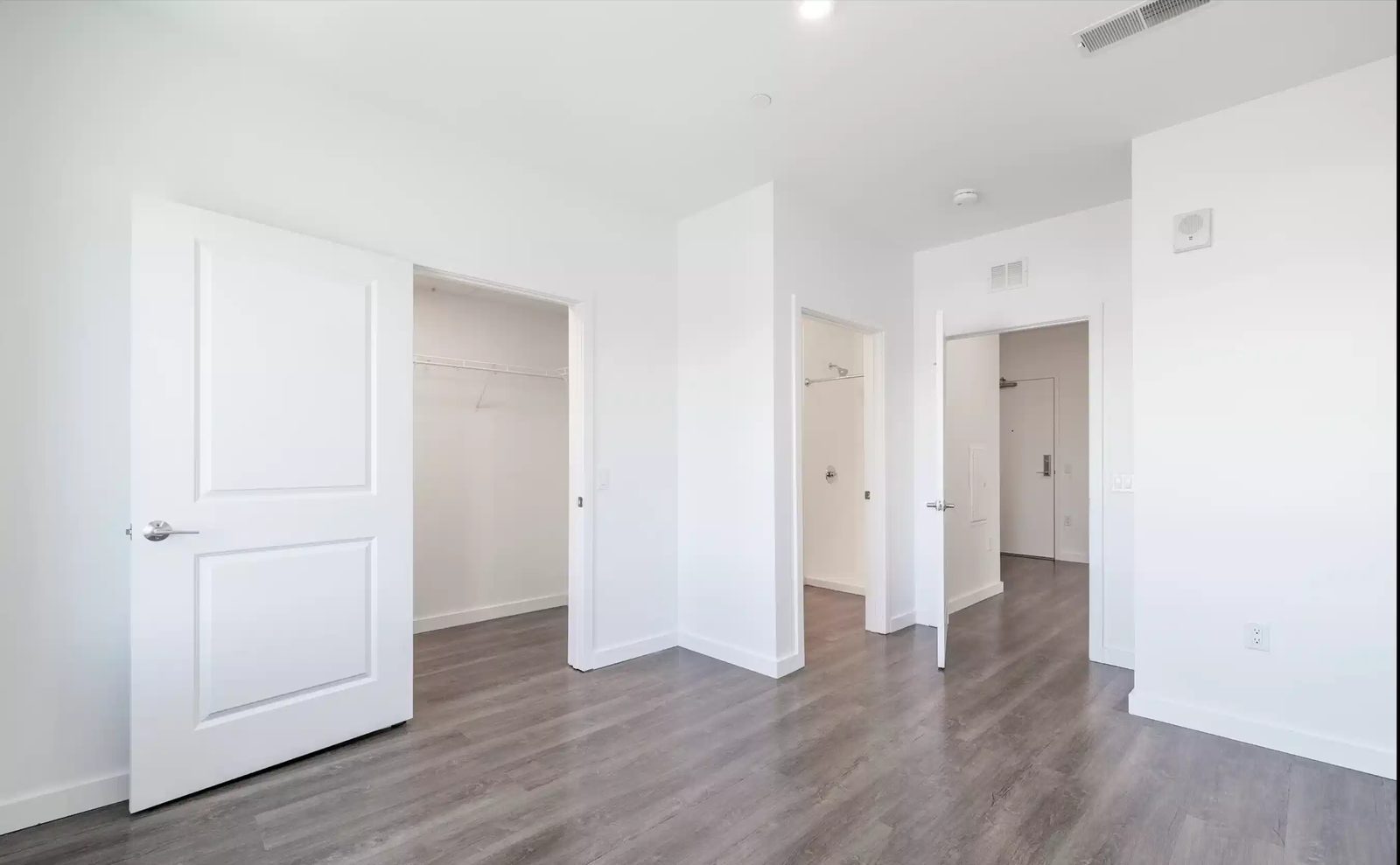
Each of the three universities sits in a distinct zone, and student housing clusters around them accordingly.
Boston University (BU, rank 88)
BU’s main campus stretches along Commonwealth Avenue from Kenmore Square to the Allston/Brighton border. Students most commonly live in:
- Fenway–Kenmore (walking distance to east campus)
- Allston and Brighton (Green Line B branch stops at BU Central, BU East, and BU West)
- The South End and Back Bay (short T ride to Kenmore or Hynes)
- A smaller number choose Cambridge or Somerville, commuting via the Red Line and transferring to the Green Line.
Northeastern University (rank 384)
Northeastern’s campus is in the Fenway/South End area, near the Museum of Fine Arts and Symphony Hall. Preferred neighbourhoods:
- Fenway–Kenmore (walking distance)
- The South End and Roxbury (a 10‑ to 15‑minute walk)
- Allston/Brighton (Green Line B to Kenmore, then walk or bus)
- Jamaica Plain (Orange Line to Ruggles station, directly on campus)
- Dorchester (Red Line to Andrew or JFK/UMass, then bus or walk) is less common but budget‑friendly.
Tufts University (rank 334)
Tufts’ main campus is on the Medford/Somerville line, about five miles north of downtown. The majority of students live in:
- Medford and Somerville (walking or biking distance, especially around Davis Square, Powder House Square, and Teele Square)
- Cambridge (Red Line to Davis Square, then bus or walk)
- A smaller number of graduate students live in Allston/Brighton or Fenway, but that means a 35‑ to 40‑minute commute.
Because the three universities are not far apart geographically (BU and Northeastern are about 2.5 km apart; Tufts is about 8 km north), some properties in central areas like Fenway or Cambridge serve all three. However, for daily convenience, most students choose a location within one zone of their own campus.
Three Common Pitfalls to Avoid
1. Underestimating the cost of utilities and winter heating
Many advertised rents in the USD 875–1,200 range do not include gas, electricity, or internet. In Boston, winter heating bills can run USD 100–250 per month for a typical apartment, especially if it has old windows and poor insulation. Always ask whether heat and hot water are included (steam heat in older buildings is usually included; forced air electric heat is often not). Also, internet is typically a fixed USD 50–70 per month. Factor these into your total budget. Some purpose‑built student residences include all utilities in the rent, which can make their mid‑range prices more competitive than they first appear.
2. Signing a lease without verifying the T stop and service frequency
A property may be listed “near” a university, but check the actual walking time to the nearest MBTA station and the train or bus frequency during peak class hours. For example, some listings in Brighton claim a 10‑minute walk to the B line, but the walk is actually 15–20 minutes. Also, the Green Line B branch is the slowest in the system (stops every two blocks). A property in Warren Street may take 35 minutes to reach BU while a property in Allston Street takes 15. Use Google Maps transit directions for a typical Tuesday at 9 a.m. — and confirm with the operator how long the trip really takes.
3. Ignoring lease start and end dates in relation to the academic calendar
Boston’s student housing market runs on a September‑to‑August cycle for most apartments, but some purpose‑built residences offer flexible 9‑ or 10‑month leases (June to May or August to July). If you arrive in January for a spring semester, finding an affordable lease can be very difficult—most annual leases start September 1. Last‑minute sublets or overpriced short‑term units are common pitfalls. Plan to secure housing at least 3–4 months before your move‑in date, and confirm the property’s lease‑change policy (some allow early exit with a penalty). The booking calendar below can help.
Booking Calendar for 2026 / 2027
The most reliable window for securing student housing in Boston for the 2026–2027 academic year is as follows. All dates are indicative; confirm with the operator.
- October 2025 – January 2026: Early applicants can sign leases for the next year. Many purpose‑built student residences start releasing rooms 10–12 months in advance. If you are certain about your university, booking early often locks in lower rates and better unit choices.
- February – April 2026: A second wave of listings appears as landlords of older apartment buildings post units for September 2026 move‑in. This is the peak time for off‑campus shared apartments.
- May – August 2026: The scramble period. Many September 1 leases must be signed by July to avoid a premium. For fall 2026, the market tightens; prices may rise 5–10% above early‑booking rates. Sublets and short‑term units become available for students arriving in spring 2027 (January).
- September – December 2026: Very limited inventory for immediate move‑in. If you are late, you may need to look at outer neighbourhoods or accept a higher price.
For the 2027–2028 academic year, the same cycle applies: early booking from October 2026. If you are planning a spring 2027 arrival, start searching in November 2026, because most January leases are signed in October–December of the prior year.
A practical tip: when you find a property on the platform, check the “lease start” field. Many properties list multiple move‑in dates. If you need a 12‑month lease starting September 1, 2026, the application window typically opens in October 2025 and closes by July 2026. For a 6‑month lease (e.g., January to June 2027), look in November–December 2026, but expect a 10–20% monthly premium for short‑term rentals.
Frequently Asked Questions
Q1: Are the 27 properties all located within walking distance of the universities?
No. The 27 properties are spread across Boston and nearby towns. Some are within a 10‑minute walk of BU or Northeastern, while others require a 30‑ to 45‑minute transit ride. Always check the distance to your specific campus and the nearest T stop. Use the platform’s map filter and read the “commute” section in each property description.
Q2: How does the minimum price of USD 875 compare to the average student rent?
USD 875 is the lowest listed price among these 27 properties, and it typically represents a shared room or a small unit in an outer neighbourhood such as Dorchester or Medford. The average rent across all 27 properties is roughly USD 1,300–1,500 (indicative; confirm with operator). Most students in purpose‑built housing pay between USD 1,200 and USD 1,800 per month for a private bedroom.
Q3: What is the typical lease term for these properties?
Terms vary. Around half of the properties offer 12‑month leases (September to August or June to May). The other half offer flexible 9‑, 10‑, or 11‑month leases, often aligning with the academic year (September to May or August to May). A few properties allow 6‑month leases (January to June) for second‑semester arrivals. Always confirm the exact start and end dates with the operator.
Q4: Is it cheaper to rent in Medford near Tufts or in Allston near BU?
Generally, Medford and Somerville (Tufts area) have slightly lower rents than Allston/Brighton (BU area), especially for older apartments. The 27 properties include a few in the Medford area with prices starting around USD 875–1,100 (indicative). Allston/Brighton properties tend to start at USD 1,000–1,200. However, if you are a Tufts student, the added commute time and cost (T pass) from Allston may offset any savings. Evaluate the total cost: rent + transit pass (USD 90/month for a semester T pass) + time.
Data as of June 2026. All prices are indicative — confirm with the operator. The university rankings shown correspond to the most recent global ranking available in the dataset.
See also: listing details · browse more