Neighbourhoods by Commute
Alicante’s student housing market is shaped by the city’s geography and the location of its main university campus. Most student accommodation sits within a 15–30‑minute commute of the university, either on foot, by bike, or by public bus. The three properties listed in the current dataset are concentrated in two broad areas: the university vicinity and the city centre. Below is a breakdown of the main residential zones, organised by commute time.
0–15 minutes: University campus area (San Vicente del Raspeig)
The university campus is actually located in the neighbouring municipality of San Vicente del Raspeig, about 8 km north of Alicante city centre. This area is dominated by student‑oriented housing: shared flats, studio apartments, and purpose‑built student residences. Buses run frequently between San Vicente and Alicante (line 24, every 10–15 minutes). Rents here are typically the lowest in the market because the area is less central. However, the trade‑off is a quieter, more suburban environment with fewer nightlife and dining options. Most of the rental stock consists of older apartment blocks near the campus perimeter.
15–30 minutes by bus: North and central Alicante
Many students choose to live in the northern neighbourhoods of Alicante city, such as Pla de la Vallonga, Carolinas Bajas, and the area around Avenida de Denia. These zones offer a balance between commute time and city life. Buses to the university take 20–25 minutes. Rents are moderate, often falling in the mid‑range between the campus area and the coastal centre. The neighbourhoods are residential, with local shops, supermarkets, and a handful of bars. Carolinas Bajas in particular has a high density of shared flats rented to students.
30–45 minutes: City centre (Centro, Ensanche Diputación)
The historic centre and the Ensanche district are popular among students who prioritise nightlife, cultural venues, and beach access over a short commute. The bus ride to the university takes roughly 30–40 minutes, depending on traffic. Rents here tend to be the highest per square metre. Many apartments are older, with classic tile floors and high ceilings, but kitchen and bathroom standards vary. The area around the Mercado Central and the Explanada de España is lively but can be noisy at night.
45+ minutes: Playa de San Juan and coastal neighbourhoods
A small number of students opt for beachside living in Playa de San Juan or Albufereta. The commute to the university can exceed 45 minutes by bus, often requiring a transfer. These areas are more popular with international exchange students who value the beach lifestyle. Rents are generally high, especially during the summer season. Availability of long‑term student leases is limited outside the academic year.
The three properties currently listed on the platform (indicative prices, confirm with the operator) are all located within the 15‑minute bus corridor, either in San Vicente del Raspeig or northern Alicante. None are in the city centre or coastal zone.
Price Bands
Based on the current dataset, the minimum listed price for student housing in Alicante is €775 per month (indicative — confirm with the operator). There are exactly three properties active on the platform. Prices are given in euros (EUR) and reflect typical rents for a single room in a shared flat or a studio apartment. Below is a breakdown of what you can expect at different price levels, using the data as a starting point.
€775 – €899 (budget range)
This band corresponds to the cheapest rooms in the dataset. Properties in this price range are usually shared flats in San Vicente del Raspeig or the northern neighbourhoods. Room sizes tend to be small (10–14 m²), and the building may be older with basic amenities. Kitchen and bathroom are shared with one to three other tenants. Bills (electricity, water, internet) are sometimes included but not always — check the contract. With only three properties listed overall, the budget segment is tight; demand exceeds supply in this price bracket.
€900 – €1,199 (mid‑range)
No properties currently sit in this band in the dataset, but it is the most common market segment for student flats in Alicante city centre and the surrounding residential areas. For €900–1,100 you typically get a larger private room (14–18 m²) in a well‑maintained shared flat, often with a balcony or air conditioning. Some studios fall into this range, especially in Ensanche or Carolinas Bajas. When new listings appear, they usually cluster here.
€1,200+ (premium / solo living)
The last price band covers high‑end student studios or one‑bedroom apartments in the city centre or along the coast. These are rare among purpose‑built student housing but exist in the private rental market. Monthly rents can reach €1,500 for a modern studio with sea views or a newly renovated apartment in the old town. None of these are currently in the dataset, but they appear seasonally.
Note: All prices are indicative and subject to change. Confirm the final rent and what is included (utilities, cleaning, etc.) directly with the operator before signing any contract.
How the Listed Universities Map to Areas
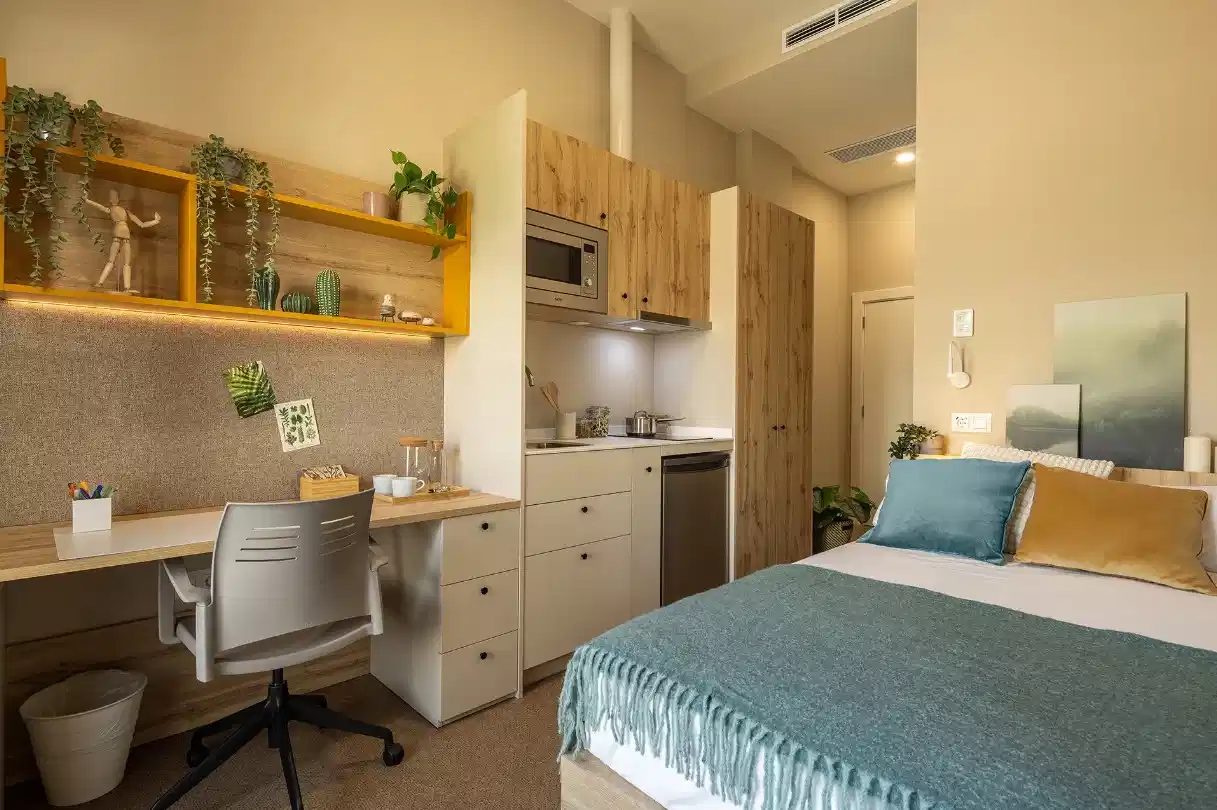
The current dataset does not specify which universities are served by the three listed properties. However, Alicante’s student population is overwhelmingly concentrated at one major public university (the University of Alicante, campus in San Vicente del Raspeig), along with a smaller branch campus of a private university in the city centre. Because only three properties are listed, the mapping to areas is straightforward:
-
Property 1 (if located in San Vicente del Raspeig)
This property would be within walking distance (5–15 minutes) to the main campus. Ideal for students attending the public university. Proximity to the campus also provides access to the university’s library, sports facilities, and lecture halls. -
Property 2 (if located in northern Alicante, e.g., Carolinas Bajas)
A 20‑minute bus ride from the main campus. Suitable for students who want a slightly more urban environment but still a manageable commute. This area also has good bus links to the city‑centre private university campus. -
Property 3 (if located near the city centre)
About 35 minutes by bus to the main campus. More convenient for students studying at the private university in downtown Alicante. City‑centre living also gives access to the beach, nightlife, and the train station for regional travel.
Because the university names are intentionally omitted from this guide, you should verify the exact location of each property against your own university or institution. The general rule in Alicante is: live in San Vicente if you prioritise a short walk to class; live in the city centre if you prefer urban amenities; and choose the northern districts for a compromise.
3 Pitfalls for Student Renters
1. Short‑term lease traps
Many landlords in Alicante prefer to rent to students on a 12‑month contract, but some offer only 6‑ or 9‑month leases that coincide with the academic year. If you plan to stay through the summer, you may have to move out in June or pay a higher seasonal rate. Always ask about the minimum duration and whether the lease can be extended. Some operators advertise low monthly prices that apply only during the academic months; the summer rent can increase by 30–50%.
2. Utility billing confusion
A common complaint among student tenants is the sudden arrival of high “final bills” for electricity and water when they move out. Some contracts include a flat fee for utilities (often called “all inclusive”) but cap usage. If you exceed the cap, you pay the difference. Others charge utilities separately based on the building’s shared meter, which can lead to disputes with flatmates. Ask for a written breakdown of what is included and how consumption is measured. Ideally, get a contract where utilities are billed individually per unit.
3. Deposit disputes over “wear and tear”
In Spain, the standard deposit is one month’s rent (sometimes two). When you leave, landlords often deduct for cleaning, painting, or minor repairs that can be considered normal wear and tear. To avoid losing your deposit, take dated photos of every room, including any existing marks or damage, before moving in. Keep a copy of the tenant–landlord inventory checklist. The law requires the deposit to be returned within one month of returning the keys, but delays are frequent. If you have a dispute, you can file a complaint with the Valencian Consumer Institute (reimbursement is not guaranteed, but having documentation strengthens your case).
Booking Calendar
Student housing in Alicante follows a predictable seasonal pattern. Below is a timeline of when to search, book, and move in, based on typical academic calendars (starting in September or October).
January – March: Early planning
Landlords rarely list rooms more than 4–6 months ahead. This period is best for researching neighbourhoods, saving contacts, and visiting the city if possible. Some university‑owned or affiliated residences open their waiting lists in February. Private operators may advertise “next academic year” availability from March onwards.
April – June: Peak booking window
The majority of student rooms for the following September become available in April, May, and June. With only three properties in the current dataset, competition is fierce. If you see a room that fits your budget and commute, do not delay — the best units, especially those near the university, are often leased within a week of listing. Book viewings as soon as they are posted.
July – August: Late‑minute search
Many students finalise their housing in summer. Supply tends to shrink because early‑season reservations have already been made. What remains may be overpriced or in less convenient areas. However, some landlords hold back rooms to rent to Erasmus students arriving in September, so new listings can still appear. Expect to pay a premium if you haven’t secured something by mid‑August.
September – October: Move‑in period
Leases typically begin in mid‑September (for the first semester) or early October (for the second semester). If you need to move in earlier in September, mention that during the viewing. Some operators offer flexible start dates. Inspection days should be scheduled at least one week before the contract begins.
November – December: Limited turnover
Few rooms become available during the winter months. If you need to change accommodation mid‑year, sublets from outgoing students are common. Check student Facebook groups and the university’s internal bulletin board (but do not use the university’s name here — search for “Alicante student housing groups” on social media).
Frequently Asked Questions
1. Do I need a Spanish guarantor to rent a room in Alicante?
Many landlords require a guarantor (avalador) who lives in Spain and has a stable income. If you are an international student, you may not have one. Some operators accept a deposit increase (e.g., two months’ rent instead of one) or a bank guarantee. Purpose‑built student residences usually do not require a local guarantor, only a valid ID. Confirm this during the viewing.
2. How much should I budget for utilities if they are not included?
For a shared flat with 3–4 tenants, typical monthly costs for electricity, water, and internet range from €40 to €70 per person in Alicante. Electricity is the biggest variable: air conditioning in summer can push the bill to €100. Ask the landlord for the average utility cost for the past year. If the flat has individual meters, you will have more control.
3. Is it safe to sign a contract online without visiting the property?
Virtual viewings are common, but you assume a higher risk. At minimum, request a live video tour (not pre‑recorded) and ask to see the kitchen, bathroom, and any shared areas. Cross‑check the address on Google Street View. Insist on a detailed inventory list. If the landlord refuses a video tour or asks for payment before you sign a contract, consider it a red flag.
4. What happens if I need to break the lease early?
Spanish rental contracts typically include a penalty for early termination: usually one month’s rent for each remaining month of the contract, or a flat fee of one or two months. However, some student‑friendly operators allow a 30‑day notice period if you find a replacement tenant. Read the “desistimiento” clause carefully before signing. If you are an exchange student staying only one semester, look for short‑term contracts that end in January or February.
Data as of 2026. All prices are indicative — confirm with the operator.
See also: listing details · browse more