Student Housing in Italy: Overview for 2026
Market Structure
Italy’s student housing market serves a large university population — 21 universities are covered by the current platform listing — yet the available dedicated student accommodation stock remains limited compared to some other European countries. The platform currently lists 1 property in 1 city, reflecting the early stage of purpose-built student accommodation penetration in the country. Students in Italy typically rely on three main housing types:
- University residences (collegi) – Operated by public or private institutions, often offering meal plans and academic support. Demand far exceeds supply, and many require early application.
- Private rental apartments – The most common option for local and international students. Apartments are usually rented unfurnished or semi-furnished, and tenants often share the lease jointly.
- Shared flats (stanze in affitto) – Renting a single room in a shared apartment is widespread, especially in university cities. Contracts are usually individual, making it easier for students to join or leave.
The platform’s single property in the covered city is likely a dedicated student residence or a managed apartment block. Because private student housing operators are still expanding in Italy, availability outside the platform’s listing should be verified through local channels. The overall rental market in Italian university cities is characterised by a high proportion of informal agreements, especially in smaller cities.
City Price Map
With one city currently included in the platform’s portfolio, a multi-city price comparison is not possible from the provided data. In that city, rents vary by neighbourhood, property type, and proximity to the university.
Indicative monthly rent ranges for the listed city (based on common market observations, not from platform data):
- Single room in a shared flat: €400 – €650 (indicative — confirm with the operator)
- Studio or one-bedroom apartment: €700 – €1,100 (indicative — confirm with the operator)
- Purpose-built student residence en-suite room: €550 – €900 (indicative — confirm with the operator)
These figures are typical for medium-to-large Italian university towns. Prices tend to be lower in smaller cities outside the top-tier destinations. Italy’s overall rental market does not follow a single national trend; northern and central cities generally have higher rents, while southern regions are more affordable.
Because only one city is listed, students should cross‑check rents in other cities through local real estate portals or university housing offices. The platform’s single city may not represent the most expensive or cheapest market, so contacting the operator directly for current rates is essential.
Contract and Deposit Norms
Italian rental agreements are regulated by national law, but student leases often follow simplified rules.
- Contract types: The most common is a “contratto transitorio” (temporary contract) for stays of 4–12 months, specifically designed for students and short-term tenants. Another option is the “contratto 3+2” (three years with automatic renewal for two) – rarely used by students due to the longer commitment.
- Deposit: Typically 2 to 3 months’ rent (indicative — confirm with the operator). The deposit must be returned within 30 days of checking out, minus documented damages. For student residences managed by the platform property, the deposit may be lower.
- Utilities: Often excluded from the stated rent. Expect to pay additional costs for electricity, gas, water, and waste disposal. Some contracts include a flat‑rate fee; others charge according to usage. Confirm with the operator.
- Registration fee (imposta di bollo): Usually required to register the lease with the tax office. This costs around €16 per every 4 sheets of the contract (indicative – confirm with the operator).
- Guarantor: Many private landlords require an Italian guarantor or a bank guarantee. Student residences listed on the platform may accept an international guarantor bond.
- Check‑in/check‑out: An inventory of furniture and fixtures is drawn up at the start and end of the tenancy. Photographs are recommended.
All contracts must be written in Italian (or accompanied by a certified translation). The platform’s single property likely provides an English‑language version, but always request official translation.
5 Planning Steps for Finding Accommodation in Italy
Step 1: Determine your budget, timeline, and preferred city
Calculate your total monthly spending capacity, including rent, utilities, food, transport, and personal expenses. For the city listed on the platform, request indicative rent from the operator. Decide whether you need accommodation for one semester, one academic year, or a shorter period. Begin your search 3–4 months before arrival, as demand is high from April to September.
Step 2: Explore the platform listing and local alternatives
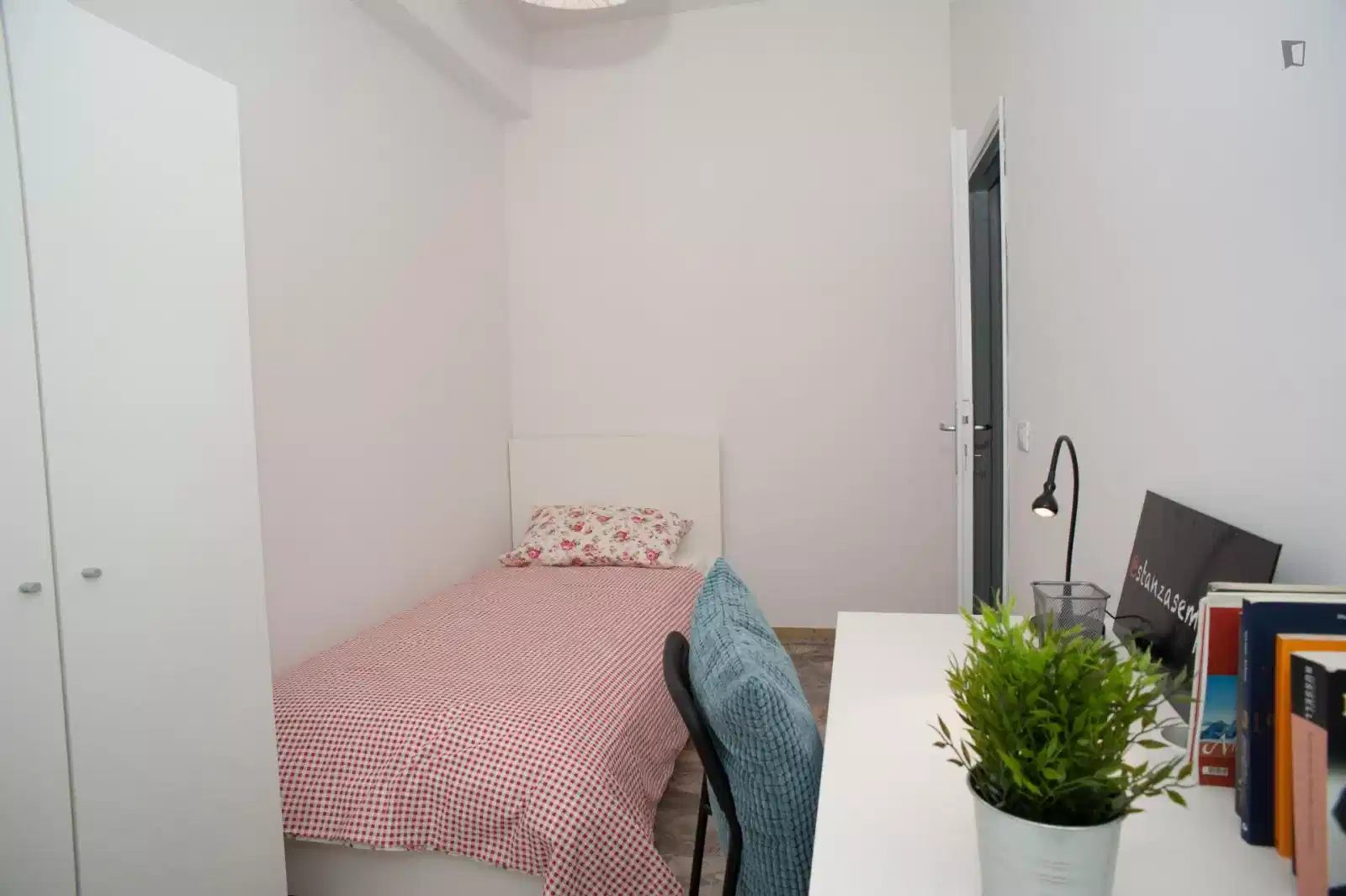
Review the single property on the platform: read the description, check included amenities (e.g., Wi‑Fi, laundry, kitchen), location relative to the university, and transport links. For other Italian cities, use university housing offices, family‑run rental websites, and social media groups. Visit in person if possible – scams are not uncommon in private rentals.
Step 3: Understand the contract and deposit terms
Request a copy of the sample contract before paying anything. Verify the deposit amount, payment schedule, utility responsibilities, cancellation policy, and any administrative fees. For shared flats, ask whether the contract is joint or individual. If you are under 18, a parent or guardian must co‑sign.
Step 4: Arrange payment and documentation
Pay the deposit and first month’s rent only after signing a valid contract. Use traceable methods (bank transfer, credit card via platform). Prepare your passport, visa (if required), university enrolment letter, and an Italian tax code (codice fiscale) – available at the local tax office. Ensure you receive a receipt for each payment.
Step 5: Plan arrival and inspection
Schedule your move‑in during daylight hours to inspect the property thoroughly. Document any existing damage with date‑stamped photos. Confirm check‑in procedures with the operator (e.g., key collection, emergency contacts). Set up utility accounts if not included, and register the contract at the tax office within 30 days (the landlord usually handles this).
FAQ
Q1: I am an international student. Do I need an Italian tax code to rent a room? Yes, a codice fiscale is required for any formal rental contract in Italy. You can obtain it at the local Agenzia delle Entrate office by presenting your passport and visa (or residence permit). If you rent through the platform, the operator may assist with the procedure. Start this process as soon as you have a confirmed address.
Q2: Can I rent for less than 6 months, or do I need a one‑year contract? Short‑term contracts (4–12 months) are standard for students. Many landlords prefer a full academic year (September to June), but you can negotiate a shorter stay. The platform’s property may offer flexible semester‑based leases. Always confirm the minimum stay length with the operator.
Q3: Are utilities usually included in the rent advertised on the platform? It varies. Some purpose‑built student residences include electricity, water, and Wi‑Fi in a flat fee. Other private apartments bill separately. The listing should state which costs are covered. If not, ask the operator in writing. Assume a monthly utility cost of €80–€150 (indicative — confirm with the operator).
Q4: What happens if I need to cancel the contract before it ends? Cancellation policies differ. A typical clause requires you to give 30–60 days’ notice and forfeit the deposit, or pay a penalty of one month’s rent. Long‑term contracts (3+2) are difficult to terminate early. Read the “clausola penale” section of your contract. The platform property likely has a published cancellation policy – review it before signing.
Data as of January 2026. All figures not provided by the platform are indicative market estimates — confirm with the operator.
See also: listing details · browse more