Xiamen University – Student Housing Guide (2026)
Xiamen University (XMU) is located in the heart of Xiamen, Fujian Province, at 422 Si Ming Nan Lu. The campus sits near the coast, surrounded by hills and water, and is often called one of China’s most beautiful university grounds. For students planning to attend XMU in 2026 or 2027, finding suitable housing nearby requires understanding what the campus is actually like, how the city functions, and what trade-offs come with different locations. This guide draws on visitor and student reviews, general city context, and a logical approach to shortlisting accommodation — without advertising any specific operator.
What Campus Reviews Reveal
Google lists Xiamen University with a rating of 4.5 out of 5 stars, based on 308 reviews. The campus clearly impresses many, but the reviews also highlight practical constraints that affect where students might choose to live.
Tian Tian Lin (5 stars, 5 months ago) wrote: “Xiamen University is a truly beautiful campus with a peaceful and inspiring atmosphere. Surrounded by the sea and lush green hills, the scenery is stunning in every season. The architecture blends traditional Chinese style with modern design, creating a unique and elegant environment.” This suggests that students who enjoy scenic surroundings and a calm study environment will find the campus itself a pleasant place to spend time. However, beauty alone does not determine housing needs.
Swanie Paddles (5 stars, 8 months ago) noted: “Called the most beautiful university in China, Xiamen University lived up to its name. Visitors need to register to get to enjoy the campus properly. It is not huge and very walkable. Clean and surrounded by lush greenery. Furong Lake and the black swans are a must see.” The mention of visitor registration hints at campus access rules. In early 2026, signing up at least one day ahead is required for non-students. Current students and staff, however, typically have regular access with their IDs. The campus being “very walkable” means that if you live close enough, you can easily reach classrooms and facilities on foot.
Michael Hui (3 stars, a year ago) offered a different view: “So called the most beautiful university in China. I think the place is not really outstanding. The buildings are old-fashioned and not amazing. Just a common sightseeing place in Xiamen.” This reminds readers that taste is subjective. Some may prefer modern, purpose-built residences over older structures. When choosing housing, consider whether you value contemporary amenities or are comfortable with traditional buildings.
Jay Yan (3 stars, 4 months ago) added a practical warning: “The school looks nice. But if you want to visit it as a visitor, you must schedule it at least 1 day ahead (as for early 2026). You cannot go there and try to make a same day appointment.” For prospective students who want to tour the campus before enrolling, this advance booking requirement matters. Booking a nearby hotel or short-term rental ahead of time becomes essential.
Overall, the reviews paint XMU as a beautiful, compact campus that is clean and walkable, but with access restrictions for visitors. Students living on or near campus will enjoy the scenery, while those living farther away should factor in commute time relative to a relatively small campus. The mixed opinions also indicate that “best” is relative — students should judge housing options based on their own priorities, not just the school’s reputation.
City Context: Xiamen
Xiamen is a coastal city in Fujian Province, known for its mild subtropical climate, clean air, and mix of urban and natural spaces. The city is relatively compact compared to megacities like Beijing or Shanghai, with a population of around 5 million in the metropolitan area. The economy is driven by tourism, trade, and services, which means there are plenty of restaurants, shops, and entertainment options near the university.
Housing costs in Xiamen are moderate by Chinese standards — more expensive than inland cities but cheaper than top-tier coastal metropolises. The area around Xiamen University (Siming District) is one of the more desirable neighborhoods, close to the sea, parks, and the famous Gulangyu Island ferry. This demand can push rents higher than in outlying districts. Students on a tighter budget often look further out, such as in Jimei or Haicang, where transport links exist but commuting times increase.
Public transport includes buses, a metro line (Line 1 and others under extension), and taxis/ride-hailing. The university’s main gate is well served by bus stops, and the nearest metro station (Zhongshan Park or Xiamen University station, depending on the exit) is within walking distance. Bike-sharing and electric scooters are popular for short trips.
Budget Bands for Student Housing
Because exact prices change frequently and vary by property type, no precise figures are listed here. Instead, the following general bands describe what students can typically expect (all prices are indicative — confirm with the operator).
- Economy: Shared rooms or dormitory-style accommodation in older buildings, often in residential compounds 30–60 minutes from campus by bus. This option suits those who prioritise low spending and are flexible with commute time.
- Mid-range: Single rooms in shared apartments or small studio units within 20–40 minutes’ walk or a short bus/metro ride from the university. Many international students choose this band for a balance of privacy and cost.
- Premium: Independent apartments (one-bedroom or larger) within a 15-minute walk of the main gate. These come with better furnishings, quieter surroundings, and often higher security. Budget-minded students should compare multiple listings.
Always check whether utilities (water, electricity, internet) are included in the advertised rent. Some landlords list a lower base rate but add extra charges. Lease lengths for students are typically 6 or 12 months; shorter stays may be harder to find and cost more per month.
Walk vs. Transit: Choosing Your Commute
The XMU campus is relatively compact, so if you live within a 15–20 minute walk, you can skip public transport entirely. Walkable neighbourhoods include the streets immediately south and east of campus, such as Nanputuo Temple area and Siming South Road. These areas also have the highest rent premiums.
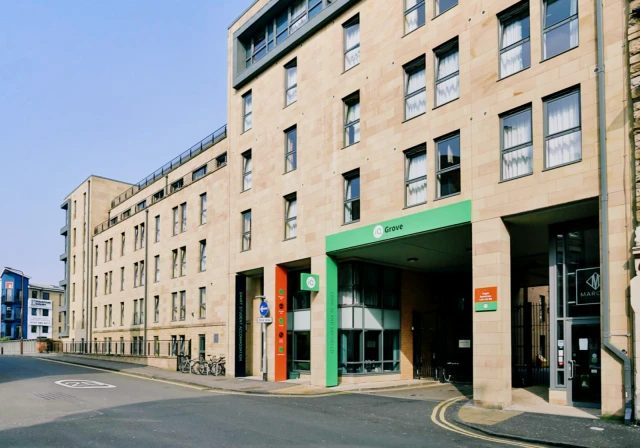
If you choose to live further out to save money, the transit trade-off becomes important. Buses from areas like Jimei or Haicang take 30–60 minutes each way, and during peak hours, they can be crowded. The metro provides a faster, more reliable alternative where available, but stations may still require a feeder bus or bicycle ride. Electric scooters (e-bikes) are a common solution: they allow a door-to-door trip of up to 10–15 km without being stuck in traffic. However, students must ensure they have a safe place to park and charge the scooter (some apartments lack designated parking).
Weather matters in Xiamen. Summers are hot and humid, with occasional typhoons. Walking long distances in the heat can be draining. Winters are mild but rainy. If you plan to walk or cycle daily, check whether your route has covered walkways or tree shade. Conversely, if you rely on a bus that takes 40 minutes in traffic, you may arrive wet or tired. A shortlist of residences should consider not just distance but also the quality of the commute in all seasons.
Shortlist Logic: How to Pick a Place Near XMU
When you search for housing near Xiamen University, use the following criteria to narrow down your options. No specific apartment names or operator brands are listed here; apply this logic to any listing you find.
-
Distance to your faculty building. The campus is walkable, but some departments (e.g., sciences, management) may be located near different gates. A room on the east side might be closer to the College of Chemistry and Chemical Engineering, while a room near the west gate could be better for humanities. Use the campus map to identify your main teaching building.
-
Access rules for visitors. As noted in reviews, non-students must book one day in advance to enter. If you plan to have friends or family visit, your housing should be outside the campus gates so they can reach you without the booking requirement. On-campus dormitories are usually restricted to enrolled students.
-
Rent and deposit terms. Ask whether the landlord requires a deposit (typically one month’s rent) and whether it is refundable. Confirm the total monthly cost including property management fees, internet, and utilities. Get everything in writing.
-
Room condition and maintenance. Visit the unit in person (or request a live video tour) to check for mold, air conditioning age, water pressure, and noise from neighbours or street traffic. Older buildings near the university may have charming tile roofs but also outdated plumbing.
-
Neighbourhood amenities. Look for grocery stores, laundromats (or in-unit washer), restaurants, and a pharmacy within walking distance. The university canteens are open to students and provide affordable meals, but after hours you’ll want nearby options.
-
Transport reliability. Test the commute at the time you would actually travel — for example, during the 8:00–9:00 AM rush. A bus stop that looks close on a map may have infrequent service. Ask other students about typical delays.
-
Lease length and flexibility. Many landlords prefer a 12-month lease. If you only need 6 or 9 months, confirm this early. Short-term rentals (monthly) are available but often cost 20–30% more per month.
-
Safety and security. Check for secure door locks, well-lit hallways, and whether the building has a 24-hour front desk or CCTV. Xiamen is generally safe, but neighbourhoods vary.
By applying this logic, you can create a shortlist of 3–5 properties to inspect before signing any contract. Compare them side by side on these criteria, not just on price.
FAQ
How far should I live from Xiamen University?
There is no single answer. The campus itself is walkable, so anything within a 20-minute walk is convenient. If you prefer lower rent, a commute of 30–45 minutes by bus or metro is common. The key is to balance time, cost, and comfort. Always test the route during class hours before committing.
What is the typical lease duration for student housing near XMU?
Most residential listings near the university are offered on a 12-month lease. Some landlords are willing to accept 6-month contracts, especially in the summer when demand drops. Short-term stays (1–3 months) are available but more expensive and often harder to find. Always confirm the minimum lease period in writing before paying any deposit.
Do I need to book accommodation before arriving in Xiamen?
Yes, especially if you are an international student or plan to visit campus before the semester starts. As the reviews note, non-students must schedule campus entry at least one day in advance. Booking a hotel, hostel, or short-term apartment for your first two weeks gives you time to inspect long-term options in person. Many students find that viewing units on site leads to better deals than booking sight unseen.
Data updated as of March 2026.
See also: listing details · browse more