What Campus Reviews Reveal About Student Life
Washington State University (WSU) draws consistently positive feedback from visitors and affiliates. On Google, the university holds a 4.6 rating based on 14 reviews – a small sample, but the comments reflect a strong sense of community and natural appeal.
One reviewer, Dariusz Prokopowicz, gave a five‑star rating and wrote: “Washington State University, anchored at 2425 Grimes Way in Pullman, is frequently hailed in my social and professional circles as a premier land‑grant institution that masterfully combines high‑level research with a legendary, tight‑knit community spirit.” That phrase – “tight‑knit community spirit” – appears repeatedly in other feedback. Another reviewer simply remarked: “Washington state in the United States is beautiful indeed; and its a nice place to live in.” A third, Kelsey Coleman, shared personal ties: “My BFF moved to Washington state and goes to this college…” Even a somewhat whimsical review from AUGUST FORSETH, though not directly about housing, suggests the university attracts creative and engaged personalities.
What these reviews underscore for incoming students is that WSU’s environment is more than just classrooms and labs – it’s a place where social bonds form easily, and the surrounding Palouse landscape contributes to a relaxed, outdoorsy lifestyle. If you are looking for housing near the university, you’ll want accommodations that let you tap into that community without sacrificing study time or comfort.
Pullman: A Small City Built Around the University
Pullman sits in southeastern Washington State, about 75 miles south of Spokane. It is a classic college town: WSU is the dominant institution, and the rhythm of the city follows the academic calendar. The downtown area is compact, with cafes, restaurants, grocery stores, and a few entertainment options within a short walk or bus ride from campus.
Because the city is relatively small – population around 35,000 (with students making up a large share) – housing availability can be seasonal. Many leases run on an August‑to‑July cycle to align with the academic year. You will find a mix of older single‑family homes converted into student rentals, purpose‑built apartment complexes, and newer townhouse developments. Many properties are within a 1‑2 mile radius of the main campus at 2425 Grimes Way.
The climate features warm, dry summers and cold, snowy winters. That means your choice of housing should factor in winter walking distances and snow removal responsibilities. On the positive side, the low crime rate and quiet residential streets make Pullman a safe place for students, whether you are a first‑year or a graduate researcher.
Budget Bands for Housing (Indicative for 2026–2027)
Note: All prices listed below are indicative and must be confirmed directly with the operator. Because rental rates change each semester, always verify the current figure before signing a lease.
When searching for housing near WSU, you will encounter three broad budget categories. These are based on typical Pullman market conditions for the 2025‑2026 cycle, projected forward to 2026‑2027.
-
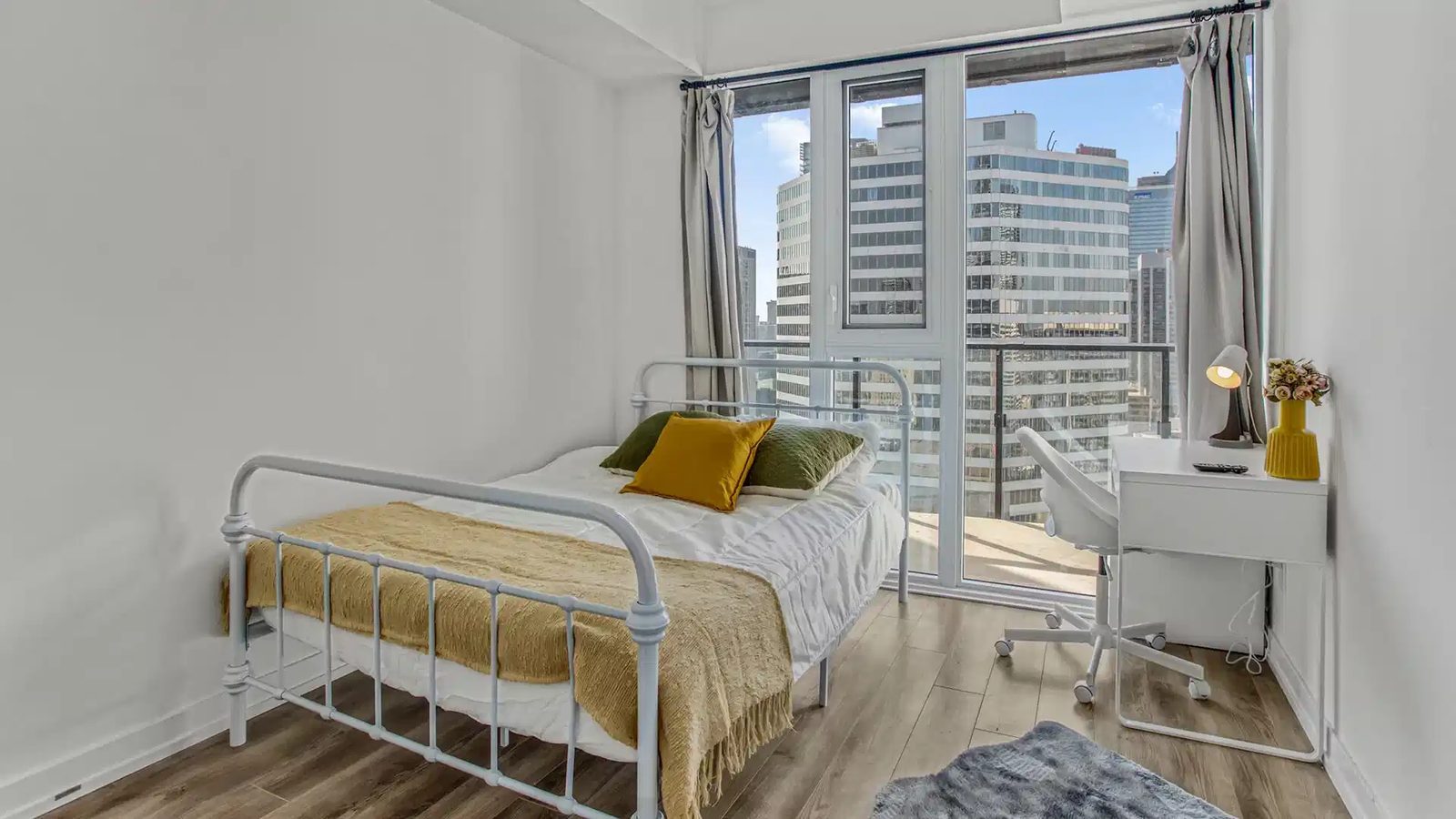
Economy/Shared Living: Shared houses or apartments where you rent a private bedroom and share common areas. Typical monthly rent per person falls below the citywide average. This is the most common arrangement for undergraduate students, and it often includes utilities in the lease. Expect older buildings or houses within a 15‑minute walk from campus.
-
Mid‑Range Solo Living: Studios or one‑bedroom apartments in newer or well‑maintained complexes. These offer more privacy, but the total monthly cost is higher than shared accommodations. Many are located within a 10‑minute walk or a short bus ride from academic buildings. Look for properties that include off‑street parking and laundry.
-
Premium/Townhouse: Larger studios, two‑bedroom apartments, or townhouses near the university’s eastern edge or in the newer developments southwest of town. These often come with additional amenities – fitness centre, study lounges, covered parking. They command higher rent, but can be worthwhile if you need quiet study space and do not want to share a bathroom.
Because Pullman’s rental market is competitive, especially for leases starting in August, start your search early – as much as six months before your intended move‑in date. Many landlords require a security deposit equivalent to one month’s rent and proof of income or a guarantor.
Walking vs. Transit: Finding Your Balance
WSU’s campus is roughly a 10‑minute walk from the downtown core and about a 20‑minute walk from the farthest residential neighbourhoods. The city runs a free bus system for students (covered by your student fees), which connects the main campus, the Pullman business district, and the surrounding apartment clusters.
Walkable zones
If you live within a half‑mile of 2425 Grimes Way, you can walk to most classrooms, the library, and the Student Recreation Center. This is ideal for students who are early risers or who dislike waiting for buses in winter. Properties on College Hill and the northern edges of campus are particularly walkable. The trade‑off? Rent per square foot tends to be higher, and street parking can be limited.
Transit‑served zones
Areas further out – such as the apartment complexes along Bishop Boulevard or toward the Pullman–Moscow Highway – are served by the free bus with 15‑ to 30‑minute headways during peak hours. Living in these zones can reduce your monthly rent noticeably, and you still have a reliable commute of 10–15 minutes to campus. The trade‑off: bus schedules are less frequent in the evenings and on weekends, and you will need to plan grocery trips around the bus route.
Cycling
Pullman is bike‑friendly, and many students use bicycles from late spring through early autumn. If you choose a home along the Bill Chipman Palouse Trail (a paved path connecting Pullman and Moscow), you can commute to campus in under 20 minutes. Bikes can be stored in most apartments, but verify storage rules with the landlord.
Your best approach: decide how much time you are willing to spend commuting each day (walking or waiting for a bus). Then set a distance radius – say, 1 mile for walking, 2 miles for transit – and start filtering housing listings accordingly.
How to Shortlist Your Housing Options
Without a specific database of nearby residences, the following logic will help you build your own shortlist. Use university housing portals, local property management websites, and social media groups (but keep in mind the editorial rule: no domain names here).
-
Define your commute tolerance.
- Walk every day? Restrict search to properties within 0.8 miles of the WSU campus (check the address against 2425 Grimes Way on a map).
- Happy to ride a bus or bicycle for 10–15 minutes? Expand to 1.5 miles.
-
Check lease dates and terms.
Most Pullman leases run August to July. If you need a longer or shorter term, ask the landlord about subletting policies. Always request a written lease before moving in. -
Compare “all‑in” cost.
A $500/month room may become $600 after adding utilities, internet, and parking. Ask the operator for a breakdown of all recurring charges. Write the final indicative figure on your shortlist and verify again. -
Read online reviews (with caution).
Google reviews like the ones cited earlier give a feel for the general area, but specific apartment reviews should be taken as one data point. Look for patterns: more than two mentions of maintenance issues or noise is a red flag. -
Visit or do a virtual tour.
Since you may be selecting housing before arriving in Pullman, request a real‑time video walkthrough. Pay attention to the condition of kitchen appliances, heating/air‑conditioning units, and the security of entryways. -
Consider group living.
If you are comfortable sharing a house, start with a group of 3–4 friends and search for a single‑family rental. This often gives you more space per person at a lower per‑head cost than a studio apartment.
Remember: the market is fast. Have your deposit ready and be prepared to decide within 24–48 hours of viewing a suitable property.
Frequently Asked Questions
1. Is it better to live on campus or off campus near WSU?
On‑campus housing (university‑owned residence halls or apartments) offers proximity to classes and a built‑in social network, but it is typically more expensive per month and may come with strict rules about guests and noise. Off‑campus housing often provides more privacy, lower per‑person rent (if shared), and the freedom to choose your lease term. The best choice depends on your budget and whether you prefer a structured community or independent living. For the 2026–2027 academic year, many upper‑division students choose off‑campus apartments or houses within a 15‑minute walk.
2. What should I consider when choosing a neighbourhood?
The main neighbourhoods near WSU are College Hill (immediately behind the stadium), the area around Paradise Street and Grimes Way, and the newer subdivisions west of campus. College Hill is very walkable but has more noise. The Paradise Street area has a mix of older homes and duplexes with good bus access. The western developments are quieter and have more modern amenities but require a bus or car. Check street parking regulations, snow removal services, and whether the apartment includes a parking spot – winter parking enforcement is strict.
3. How do I verify rental prices and availability?
Start with the operator’s official website or call the leasing office directly. Since all prices in this guide are indicative, you must ask for the exact rent for the unit you want, including any deposits, fees, and utility caps. Many property managers update their rates in late winter for the following fall. If a price seems too low, ask whether it is per person or per unit, and whether utilities are included. Always get a written confirmation of the total monthly cost before you sign.
Data as of early 2026 – always confirm details directly with the operator.
See also: listing details · browse more