What Campus Reviews Reveal About Studying at Wageningen University & Research
Wageningen University & Research (WUR) consistently ranks among the top life sciences universities globally (QS rank 153 as of 2026). But what is it actually like to study there according to students who have experienced it? The Google reviews (4.7 stars from 734 ratings) paint a nuanced picture.
“I was amazed by the campus size and facilities. I am glad that I had a chance to experience and explore this campus,” writes sneha patra, reflecting the strong impression the modern campus leaves with many visitors. Raghavendra Reddy Manda adds: “WUR offers an exceptional and uniquely structured MSc program in Plant Sciences, with specialization options such as Plant Pathology and Entomology. My experience at WUR was truly transformative, both academically and personally, owing to the university’s flexible and innovative education system.”
However, not everything is idyllic. Elian Stam notes: “One of the best life science universities and the best one in food technology, WUR is really innovative. At times students can get overwhelmed by the courses, some are really hard. I put one star less because, aside from the state-of-the-art campus, the town of Wageningen can get really boring for a…” Meanwhile, a visitor from Canada, Tony, raises a safety concern: “Beautiful town. Don’t know if I’m comfortable with liberal use of alcohol. On 2 occasions young males approached me wanting to fight. As a visitor from Canada on 5 May, I found it upsetting and it took away from the atmosphere in the World Hotel with its emotional history and the very hospitable staff.”
These reviews highlight three key factors that influence where you should live: the quality of the campus, the small-town character of Wageningen (which some find too quiet), and occasional social tensions related to alcohol. Your housing choice can significantly shape your daily experience here.
City Context: Understanding Wageningen
Wageningen is a compact university town in the central Netherlands, located along the Lower Rhine. With a population of roughly 40,000, including a large student body, the town is dominated by the university and the research institutes. The historic city centre, with its small-scale shops, cafes, and the World Hotel (a key site where WWII capitulation was negotiated), is walkable and bikeable.
Because the campus (Droevendaalsesteeg 4) lies on the eastern edge of town, the entire settlement is at most a 20-minute bicycle ride across. Most students cycle everywhere – the Netherlands is famously flat and Wageningen has excellent cycling infrastructure. For those who prefer walking, the distance from the central station to the university building is about 2 km (25–30 minutes on foot). Public transport includes buses (line 81/83/84 etc.) connecting the campus to the city centre and nearby cities like Arnhem and Ede, but given the small scale, many students rely solely on bicycles.
The town’s size means that almost everything – grocery stores, bars, sports facilities, the campus – is accessible within a 15‑minute bike ride. The trade‑off is that entertainment options are limited compared to larger Dutch cities. Elian Stam’s “can get really boring” comment echoes a common sentiment among students who crave more nightlife or cultural variety. If you prefer a lively evening scene, you may want to live closer to the city centre; if you prioritise quick access to labs and libraries, living near campus makes sense.
Budget Bands: What to Expect for Student Housing
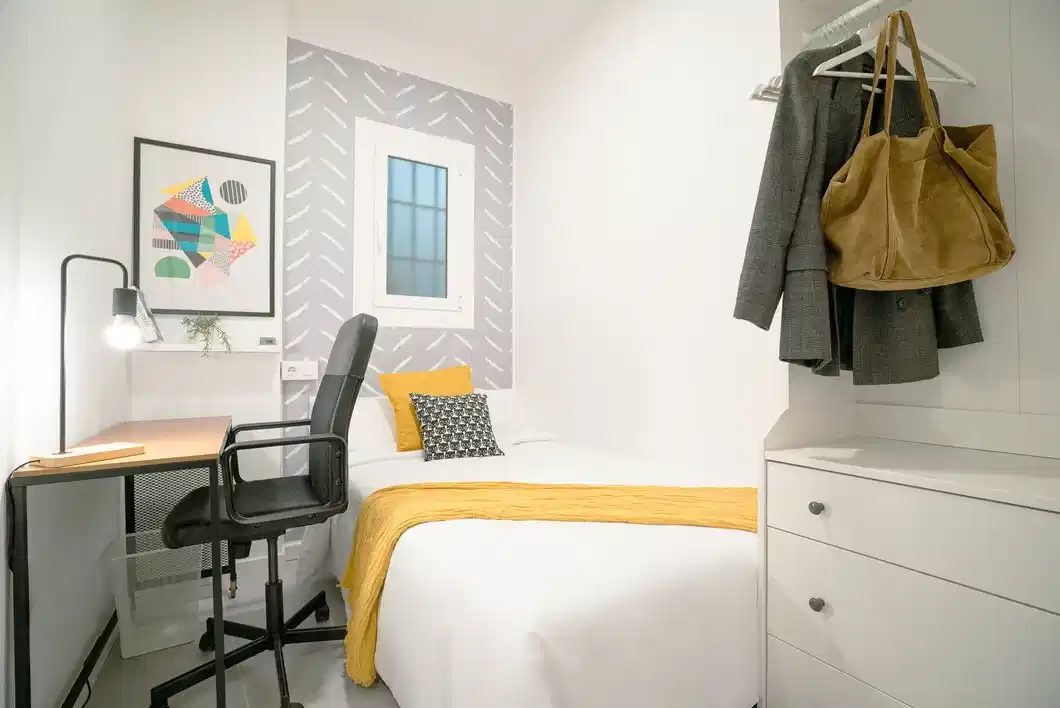
Because housing data for specific residences is not provided, we cannot quote exact prices. However, typical student housing in Wageningen falls into three broad categories, each with indicative ranges – always confirm with the operator.
-
Student complex / purpose‑built accommodation: These are often run by the university housing office or private providers. Rooms in newer complexes (e.g., near campus in “Bornsesteeg” area) tend to be slightly more expensive due to modern facilities. Indicative rent: €450–€700 per month for a furnished single room with shared kitchen/bathroom. Confirm with the operator.
-
Shared private houses (“studentenhuis”): Renting a room in a student house in the city centre or the surrounding neighbourhoods (like “De Nude”, “Bovenbuurt”, “Veluvia”). Prices vary widely based on size and amenities. Indicative rent: €350–€600 per month. Confirm with the operator.
-
Studio or apartment (for couples/PhD students): Independent units with private bathroom and kitchenette. These are scarce and more expensive. Indicative rent: €700–€1,100 per month. Confirm with the operator.
Regardless of the band, always check whether utilities (gas, electricity, water, internet) are included. Most student houses charge a separate service cost.
Walk vs Transit Trade‑Off
Walking from the city centre to campus takes about 25–30 minutes. Bicycling reduces that to 8–10 minutes. Public bus service is available (line 81/83 from “Wageningen, Station” to “Wageningen, Campus”) with a frequency of 2–4 times per hour on weekdays. A single bus ticket costs around €2–3 (2026 prices, indicative). Many students purchase a Dal Voordeel (off‑peak discount) subscription for train travel to other cities, but within Wageningen, walking and cycling dominate.
If you live in the immediate campus area (e.g., “Campusplein” or “Aristotle”), you can walk to lectures in under 5 minutes. The downside is that you are farther from supermarkets, cafes, and the train station – though still only a 15‑minute bike ride. If you live in the city centre, you have easy access to restaurants, bars, and the main shopping street (Hoogstraat), but you will cycle or bus to campus.
The trade‑off is a matter of personal preference: academic convenience versus urban conveniences. Both are viable, but if you rely on the train to other cities often, living closer to Wageningen Station (which is near the city centre, not the campus) will save you time.
Shortlist Logic: How to Choose Your Residence
Based on the reviews and city conditions, here is a logical way to narrow down your housing options:
-
Prioritise safety and social comfort – Tony’s review mentions alcohol‑related confrontations in the city centre during a holiday (5 May – Liberation Day). While this may be an isolated incident, if you are sensitive to such environments, consider living further from the main bar strip (e.g., near the university or in quieter residential streets). Typical student neighbourhoods like “Veluvia” or “De Nude” have a calmer atmosphere.
-
Factor in academic intensity – Raghavendra and Elian both note that WUR programs can be demanding and sometimes overwhelming. Living closer to campus may help you stay focused and reduce commute stress, especially during exam periods. Purpose‑built student housing near the campus (e.g., “In de Bomen” or “I’m interested”) often includes study spaces.
-
Consider boredom vs. vibrancy – Elian points out that Wageningen can be boring. If you need a lively social scene, living in a student house in the city centre (e.g., around “Markt” or “Stationsstraat”) will give you easier access to bars, events, and fellow students. If you are comfortable with a quieter life, campus‑area housing is fine.
-
Budget constraints – Since prices are indicative and vary, start by setting a maximum monthly rent. Then search for rooms in the category that fits. The university housing office (SSH or Wageningen University Housing) typically offers the safest and most transparent contracts; private listings require more caution.
-
Check lease duration and early exit options – Most student housing contracts run from August to July. Ensure you understand the notice period and whether you can sublet. This is especially relevant if you plan to go on exchange or leave before the end of the year.
Frequently Asked Questions
Q: Is it better to live near campus or in the city centre?
A: It depends on your priorities. Near campus, you can walk to classrooms and university facilities, which is convenient for long lab days. The city centre offers more restaurants, shops, and a livelier atmosphere. Cycling between the two takes less than 10 minutes, so the distance is not great. Consider whether you enjoy a quieter residential area (near campus) or a more active street life (city centre).
Q: How safe is Wageningen as a student city?
A: Wageningen is generally considered a safe town. The Google review by Tony describes an incident involving young males wanting to fight, which may be related to the Liberation Day festivities and alcohol consumption. Such occurrences are not typical for everyday life. Standard precautions apply – avoid walking alone late at night in isolated areas, especially after heavy drinking events. The campus and most student areas are well‑lit and patrolled.
Q: What should I do if I cannot find a room before arriving?
A: Start your search at least 3–4 months before the semester begins through the university’s official housing service (SSH or the WUR Housing Office). Private platforms can supplement your search, but be cautious of scams. Consider short‑term hostels or temporary Airbnb for the first month while you secure a permanent room. The university also offers a “Guarantor” scheme for international students. Always confirm the contract terms and the exact rent with the operator before paying any deposit.
Data updated: 2026-01
See also: listing details · browse more