Campus Reviews: What Students Say
Vienna University of Technology (TU Wien) holds a QS World University rank of 197 and a Google rating of 4.3 from 646 reviews. The campus sits at Karlsplatz 13, in the heart of Vienna’s first district. Student reviews highlight academic reputation, location, and campus atmosphere:
“Vienna University of Technology (TU Wien) is one of the leading technical universities in Austria, known for its strong academic reputation and high-quality education. The university offers a wide range of programs in engineering, technology, and applied sciences, with a strong focus on research and” – Karthik Narne (5 stars, 3 weeks ago)
“Founded in 1815, TU Wien is Austria’s leading technical university and a top institution in the fields of engineering, computer science, natural sciences, and architecture. It is a city-based research university with a strong international reputation, particularly in technology, AI, and architectura” – Seokjin Ham (5 stars, 7 months ago)
“it’s a leading technical university in the world and ranked in the top 200. Located right in the centre of the city. This was more a personal visit. Went around the campus and met a few people and students. Everything was so enjoyable..” – Rajat Srivastava (4 stars, a year ago)
These reviews underline two practical points for housing: the university is centrally located, so proximity to Karlsplatz can reduce commute times, and the strong research orientation means students often spend long hours on campus, making a short walk or quick transit connection valuable.
City Context: Vienna as a Student City
Vienna consistently ranks among the world’s most liveable cities. Its public transport network (U-Bahn, tram, bus) is dense and reliable, with a single annual student pass (around €200–300 per year in 2026/2027, indicative — confirm with the operator) covering unlimited travel within the city core. The city is also highly walkable and bike-friendly. Average monthly rents for students vary widely depending on district, property type, and whether the accommodation is a shared flat (WG), a private studio, or a student dormitory. The first district (Innere Stadt) is the most expensive, while districts like the 4th, 6th, 7th, and 8th offer a balance of proximity to TU Wien and slightly lower costs.
Living costs in Vienna (excluding tuition) are moderate for a Western European capital. Groceries, eating out, and leisure activities are affordable compared to cities like London or Paris. The city also has a large international student community, with many English-language programmes at TU Wien, so finding flatmates or social networks is relatively easy.
Budget Bands for Student Housing (2026/2027)
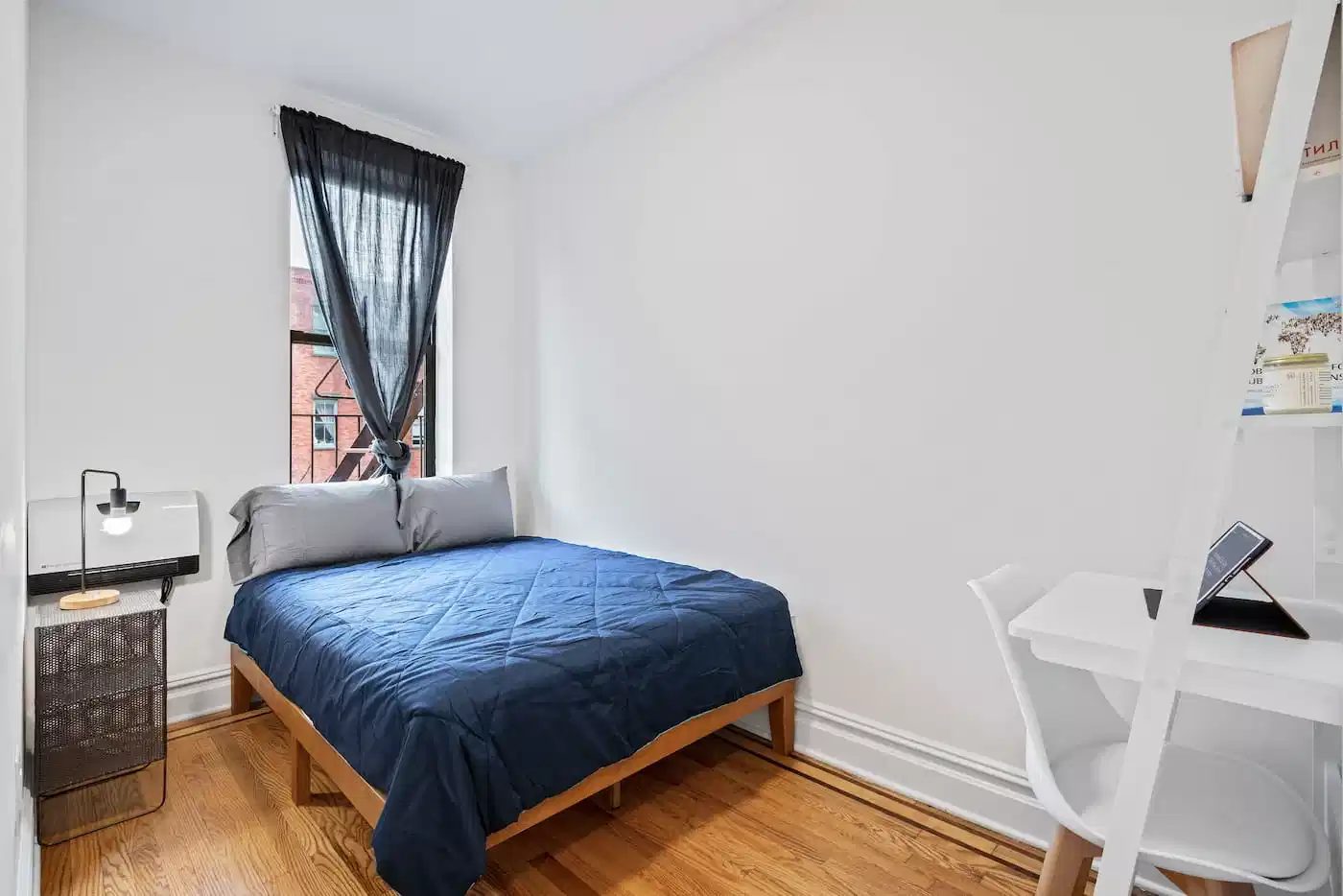
All prices below are indicative — confirm with the operator.
Low budget – €400–€550 per month
Typically a room in a shared apartment (WG) in districts further from the centre (e.g., 10th, 12th, 15th, 20th) or a basic single room in a student dormitory run by non-profit organisations. These options require a longer commute (30–40 minutes by public transport to Karlsplatz). Utility costs are usually included in dormitory rent but may be separate in a WG.
Mid budget – €550–€800 per month
A room in a WG in the 4th, 6th, or 7th district, or a single room in a private student residence. These places are within 20–30 minutes walking or a 10–15 minute U-Bahn ride from TU Wien. Some residences offer en-suite bathrooms and shared kitchens.
High budget – €800–€1,200 per month
Private studios or one-bedroom apartments near Karlsplatz (1st, 4th, 6th districts). These provide maximum privacy and minimal commute – often under 15 minutes on foot. High-budget options also include premium student residences with amenities such as gyms, study rooms, and cleaning services.
Walk vs Transit Trade-Off
Walking (up to 30 minutes)
Living within a 2–3 kilometre radius of Karlsplatz means you can walk to campus in 15–30 minutes. The main advantage is zero transport cost and predictable travel time, especially during rush hour when trams can be crowded. The trade-off is higher rent: a room in the 1st or 4th district easily costs €200–€400 more per month than a comparable room further out. If you value time over money, walking is the clear choice.
Transit (10–40 minutes)
Using the U-Bahn (U1, U2, U4 lines all stop at Karlsplatz), tram, or bus reduces rent significantly. A 20–30 minute commute from the 10th or 15th district can bring monthly rent down to €400–€600. The annual student transit pass is a one-time cost that is far lower than the savings on rent. The trade-off is less flexibility: if you miss a connection or there is a service disruption, walking is not an option. For students who prefer a quieter residential environment and don’t mind a regular commute, transit-based housing is the most cost-effective.
Combination (bike + transit)
Vienna’s rental bike system (Nextbike) and private bikes offer a hybrid: bike to a U-Bahn station or ride directly to Karlsplatz (approx. 20–30 minutes from districts like 6th or 7th). This can expand your housing options without sacrificing speed.
Shortlist Logic: Choosing a Residence Near TU Wien
When selecting a student residence or apartment near TU Wien, consider these factors in order of priority:
-
Distance to Karlsplatz – The main TU Wien building is at Karlsplatz 13, but some faculties are spread nearby (e.g., Getreidemarkt, Freihaus). Check your specific faculty location. A 15-minute walk is ideal; up to 30 minutes is acceptable if transit is reliable.
-
Rent and contract terms – Look for all-inclusive rents (utilities, internet, possibly a cleaning service) to avoid surprises. Many student dormitories offer contracts that align with the academic year (October to June) or semester. Private landlords usually require a minimum of 12-month contracts.
-
Room type – Shared flats (WGs) offer social integration and lower cost but less privacy. Studios provide independence. Dormitories vary – some are corridor-style with shared bathrooms, others are apartment-style with a small kitchenette.
-
Amenities – Laundry facilities, bicycle storage, and a study room are common in newer or larger residences. Check if the building has a lift (elevator) if you live on a high floor.
-
Neighbourhood – Areas like the 4th district (Wieden), 6th (Mariahilf), and 7th (Neubau) are popular among TU Wien students for their mix of cafes, supermarkets, and greenery. The 1st district is central but touristy and more expensive. The 15th and 16th districts offer lower rents but quieter, less bustling streets.
-
Operator – Student housing in Vienna is provided by multiple operators (OeAD, STUWO, Milestone, etc.) and private landlords. Compare their standard contract terms, deposit amounts, and notice periods. Read online reviews from current or past tenants.
Example shortlist process (using generic types, no brand names):
- Option A: Dormitory in the 4th district, 10-minute walk to Karlsplatz, single room, shared kitchen, €650/month (indicative – confirm with operator). High convenience, moderate cost.
- Option B: Shared flat in the 15th district, 25-minute tram ride, private room in a 3-person WG, €450/month (indicative – confirm with operator). Lower cost, longer commute.
- Option C: Studio in the 6th district, 5-minute U-Bahn ride, private bathroom and kitchen, €950/month (indicative – confirm with operator). Maximum privacy, high price.
A typical student might choose Option A if they value study time and social life, Option B if they are budget-conscious and don’t mind commuting, and Option C if they have a higher budget and need quiet for research. Always verify availability and exact conditions with the housing provider.
FAQ
1. How far in advance should I start looking for accommodation near TU Wien for the 2026/2027 academic year?
Start your search at least 3–4 months before your intended move-in date. Most student dormitories open applications around March–May for October intake, and September–October for February intake. Private apartments can be found with a shorter lead time (4–6 weeks), but supply is tighter during the peak season (August–October).
2. Is it cheaper to live in a student dormitory or a shared flat (WG) near TU Wien?
Dormitories often have all-inclusive rents (utilities, internet, sometimes cleaning) and shorter contract terms, making monthly budgeting simpler. Rents in dormitories range from roughly €400–€700 per month (indicative — confirm with the operator). Shared flats (WGs) can be slightly cheaper (€350–€550 for a room) but utility costs are usually separate and vary by season. For precise comparison, request a breakdown of all costs from each option.
3. Do I need to know German to find housing in Vienna?
Many landlords and dormitory administrators speak English, especially those dealing with international students. However, having basic German phrases helpful for signing contracts, discussing repairs, or communicating with flatmates. Most official documents (contracts, tenant information) are in German, so consider asking a German-speaking friend or using a translation service when reviewing legal terms.
Data as of 2027
See also: listing details · browse more