Campus Character and Student Insights
The University of Waikato holds a QS World University Ranking of 281 and has earned a Google rating of 4.4 from 496 reviews. Its campus, located on Hillcrest Road in Hamilton, is frequently described as spacious and inviting. Student reviews paint a consistent picture: the natural setting and strong teaching are major draws.
Tony Yuan gave a 5-star review six months ago, noting: “The University of Waikato is a great place to study, with a beautiful campus and a strong academic reputation. The grounds are spacious and green, with the lake at the centre creating a calm and welcoming atmosphere that really enhances student life. Teaching quality is high, and lecturers are knowl” (review continues). This sense of calm and academic focus is echoed by Janie Yang, who wrote seven months ago: “The campus makes you fall in love with every season in NZ. It has thoughtful, user-friendly designs, great infrastructure, friendly staff, plenty of parking spots and sports facilities. Great place for healing your inner self in the nature or just enjoying the daily life.”
Le Roy Marley Nia Nia focused on the outdoor experience in a 2-month-old review: “It has beautiful landscapes animals of all kinds excellent 👌 good for a good old run around the lakes with thee animal 😀.” Ingrid Chapman, also reviewing two months ago after attending a graduation ceremony, remarked: “Great space. Lovely flow of the programme. Awesome tautoko from family & friends. Beautiful campus ❤️.”
These reviews highlight that the campus environment itself is a major asset — students value the lakeside setting, green spaces, and well-planned facilities. When choosing accommodation near the university, the quality of the campus experience should be weighed alongside commuting convenience and housing options.
Hamilton: A Student City Context
Hamilton is the largest inland city in New Zealand, located in the Waikato region about 1.5 hours south of Auckland. The University of Waikato’s main campus is in the suburb of Hillcrest, approximately 5 kilometres southeast of the city centre. Hamilton offers a range of amenities including cafes, shopping centres, and public transport links, but it is not as densely populated as Auckland or Wellington. This means housing availability and pricing differ from larger student hubs. The city has a moderate climate, with warm summers and cool winters, which influences preferences for heating and insulation in rental properties.
As a university town, Hamilton has a significant student population, but the housing market serves both students and local residents. Common accommodation types include purpose-built student accommodation (PBSA), private rentals (apartments, houses, flats), and homestays. Most students prefer to live within walking distance of campus, though some choose locations near the city centre for nightlife and convenience.
Budget Bands – What to Expect
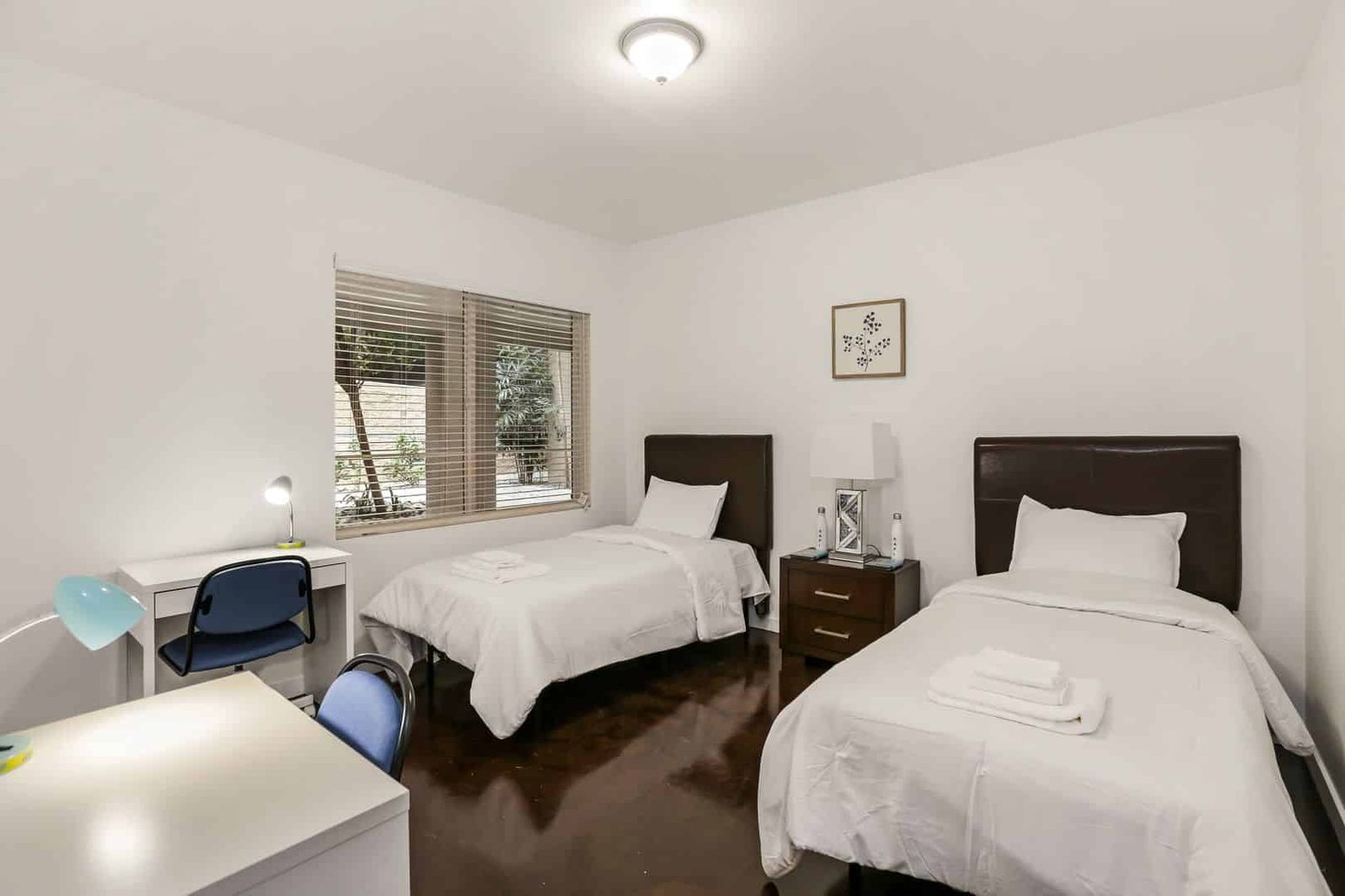
Because specific rental figures are not provided in this guide, a general picture of Hamilton’s student housing market is drawn from typical conditions. Rental prices in Hamilton vary by property type, location, and inclusions. As a neutral guideline, students should expect the following indicative bands — confirm with the operator before committing:
- Budget-friendly options (shared houses or older flats): usually further from campus, requiring a bus ride or bicycle commute. These often include basic furnishings and shared utilities.
- Mid-range options (modern flats or small units): often within 2–4 km of campus, balancing cost and convenience. These may offer parking or on-site laundry.
- Premium options (studio apartments or PBSA): typically closest to the university, offering private bathrooms, fully equipped kitchens, and amenities such as gyms or common rooms. These command higher indicative rates.
Because the university grounds include lakes, green spaces, and sports facilities, many students find that living close to campus maximises their use of these amenities. For those on a tighter budget, a slightly longer commute can offset housing costs. Indicative pricing should always be confirmed directly with the operator, as rates change annually and may include or exclude utilities.
Walk vs Transit – Getting to Campus
Walking distance: The dense residential neighbourhoods around Hillcrest mean that students can find housing within a 10–25 minute walk of lecture theatres. Areas such as Knighton Road, Silverdale Road, and the streets near the university’s entrances are popular. Walking eliminates transport costs and offers reliable arrival times, especially in Hamilton’s variable weather. The campus itself has plenty of parking spots (as noted in reviews), but driving is less necessary for those who live nearby.
Cycling: Hamilton has a growing network of cycle paths, and the flat terrain around the university makes cycling a fast, low-cost option. Many rental properties include bike storage, and the campus provides bike racks.
Public transport: The Hamilton bus network connects the suburbs to the university. Key routes serve Hillcrest from the city centre, Chartwell, and other residential areas. Buses run less frequently in evenings and weekends, so schedules should be checked. Students may qualify for discounted fares. A public transport option works best for those living outside walking distance, though it adds waiting and travel time.
Car commuting: For students who drive, parking on campus is available but may require a permit. Given the campus’s layout and the availability of parking spots (as noted by Janie Yang), driving is a viable option for those living farther afield. However, fuel and parking costs should be factored into the budget.
Trade-off summary: Living within walking or cycling distance offers convenience and time savings, but often comes at a higher rental cost. Choosing transit or driving may lower housing costs but increases commuting time and expense. The balance depends on individual priorities: proximity to the lake and campus facilities, preferred study environment, and total budget.
Shortlist Logic – Choosing Where to Live
When shortlisting housing near the University of Waikato, consider these factors:
1. Distance to campus: Prioritise properties within a 1.5 km radius if you plan to walk or cycle regularly. Use online mapping tools to estimate travel time. The campus is located on Hillcrest Road – properties north and east of the university tend to be residential streets with easy access.
2. Property type: Purpose-built student accommodation typically offers all-inclusive rents (utilities, internet) and social opportunities. Private rentals provide more independence but require arranging utilities and flatmate agreements. Homestays are an option for international students wanting language practice.
3. Amenities & facilities: Check for on-site laundry, parking, bike storage, and internet speed. Reviews mention sports facilities on campus; living nearby makes it easier to use them. Also consider proximity to supermarkets, pharmacies, and public transport stops.
4. Lease terms & flexibility: PBSA may offer semester-long contracts, while private rentals often require a 12-month lease. Confirm start and end dates to align with your academic calendar. Indicative pricing should be confirmed with each operator.
5. Liveability indicators: Look for reviews or information about noise levels, property management responsiveness, and maintenance. If possible, visit the property or request a virtual tour.
6. Budget alignment: Once you have indicative rates from several operators, create a shortlist of three to five options that fit your budget and location preferences. Remember that total housing costs should include utilities, food, transport, and personal expenses.
For example, a student who values being close to the lake and sports fields might choose a property on the north side of campus, within a 10-minute walk. A student on a tighter budget might look at shared houses in the adjacent suburb of Melville, relying on a 15-minute bus ride. Another who prioritises privacy might opt for a studio in a PBSA a few blocks away.
By using this logic, you can systematically evaluate options without relying on advertising. The indicative data — contact each provider for current prices and availability.
FAQ
Q: Is it better to live in student accommodation or a private rental near the University of Waikato? A: Both have advantages. Student accommodation often includes utilities and a built-in community, and leases are aligned with the academic year. Private rentals offer more freedom but require additional management. Your choice depends on your budget, need for privacy, and whether you prefer a social environment. Confirm indicative costs with both types of providers.
Q: What is the typical travel time from accommodation to campus? A: Walking from properties on Knighton Road or Silverdale Road takes 5–15 minutes. Cycling extends the range to about 3 km in 10–15 minutes. Public transport from the city centre takes 15–20 minutes by bus, plus waiting time. Driving from suburbs such as Chartwell may take 10–20 minutes. Always check actual distances and transport schedules.
Q: Are there affordable housing options within walking distance? A: Yes. The Hillcrest area has a mix of older flats and shared houses that are generally more affordable than new PBSA. However, supply can be competitive, so start searching early. Indicative pricing varies — confirm with landlords or agencies. The University of Waikato may also offer a list of approved accommodation providers (not listed here), which can be a starting point.
Data date: 2026-03-15
See also: listing details · browse more