Housing Near University of Turin: A Practical Guide for Students (2026–2027)
The University of Turin (UniTo) is a large public university with a main campus located at Via Giuseppe Verdi, 8, in the heart of the city. With a global ranking of 408 (QS), a Google rating of 4.3 out of 1048 reviews, and a strong reputation in the Piedmont region, it attracts a steady flow of international students. Finding suitable accommodation nearby requires understanding what the campus is like, what the city offers, and how to balance cost, commute, and lifestyle. Below is a neutral, fact‑based overview to help you plan your housing search for the 2026–2027 academic year.
What Campus Reviews Reveal
Student reviews on Google provide a mixed but generally positive picture of the University of Turin. Most comments focus on academic experience, administration efficiency, and location.
Katia (5 stars, 9 months ago) writes:
“As an international student, I can say that everything works quite smoothly. The professors are competent, the administration is responsive—especially through the MyUnito platform’s ticketing system—and there’s a remarkable freedom in choosing among a wide variety of courses.”
This suggests that once you are enrolled, the institution’s support systems are reliable. For housing purposes, this means you can expect clear communication and fast help if you need official documentation (e.g., enrollment certificates for rental applications).
Dariusz Prokopowicz (5 stars, 4 months ago) describes the campus as:
“a ‘vibrant intellectual powerhouse’ that perfectly captures the industrious spirit of the Piedmont region.”
The location at Via Giuseppe Verdi 8 places the university in a central, prestigious area surrounded by historic buildings, monuments, and columns. Eugenia U (5 stars, 6 years ago) remarks:
“as a tourist … this is very beautiful place, monuments, columns… amazing…”
While this comment is not about education, it highlights that the campus environment is attractive and walkable, with many amenities nearby. Nate (5 stars, 9 years ago) notes that his friend did a master’s degree there and “passed his degree and enjoyed studying here”. The friend would “give it five stars”, indicating overall satisfaction.
Key takeaway for housing: The university is well‑regarded, centrally located, and the administration is responsive. This means you can rely on official channels for help, and you will likely want to live within walking distance or a short transit ride from Via Giuseppe Verdi to fully enjoy the campus atmosphere.
City Context: Turin (Torino)
Turin is the capital of the Piedmont region in northwest Italy, with a population around 850,000. It is known for its Baroque architecture, the River Po, and a strong industrial heritage (home to Fiat). The climate is continental: hot summers (July–August average 24 °C) and cold, damp winters (January average 2 °C). For students, the city offers affordable living compared to Milan or Rome. Public transport includes a metro line (Line 1), buses, and trams. The university’s main campus is near the city center, close to the Porta Nuova train station and several parks.
Housing market overview (2026–2027 indicative prices – confirm with operator):
- Shared room in a student apartment: €300–€450 per month, including utilities.
- Private room in a shared flat: €400–€600 per month.
- Studio or one‑bedroom apartment: €600–€900 per month.
- University‑operated residence halls (if available): typically €400–€700 per month, often with meals or kitchen access.
Prices vary by zone. Central areas (Centro, San Salvario, Vanchiglia) are more expensive but offer walking distance to campus. Outer districts (Lingotto, Mirafiori, Borgata Rosa) are cheaper but require a 20–40 minute commute.
Walk vs. Transit Trade‑off
Walking
The University of Turin’s main building at Via Giuseppe Verdi 8 is in a pedestrian‑friendly area. The neighborhood is flat and compact, so many students can walk from nearby quarters:
- San Salvario: 10–15 minutes walk, lively with bars and restaurants.
- Vanchiglia: 15–20 minutes walk along the river Po, popular with students.
- Centro (around Via Roma, Piazza San Carlo): 10 minutes by foot, but rents are higher.
Walking eliminates transport costs (which can be €35–€50 for a monthly transit pass) and gives you more spontaneity. However, properties within a 20‑minute walking radius tend to be pricier.
Transit
Turin’s public transport is reliable, with metro Line 1 connecting the city from north‑west to south‑east. Buses and trams cover the rest. The university is served by tram lines 4, 9, and 16, and bus lines 33, 52, and 67. A student monthly pass currently costs around €30 (indicative – confirm with operator).
Living 30–60 minutes away can cut rent by 20–30%. For example, a private room in Lingotto might cost €350–€450 instead of €550–€650 in the center. The trade‑off: you spend 1–2 hours commuting daily, and late‑night transport is less frequent (buses stop around midnight).
Recommendation: If your budget is under €500 for a private room, consider transit‑accessible areas like Crocetta (east), Santa Rita (south‑west), or Parella (north‑west). If you value convenience and can afford €600+, look within a 15‑minute walk of Via Giuseppe Verdi.
Shortlist Logic for Nearby Residences
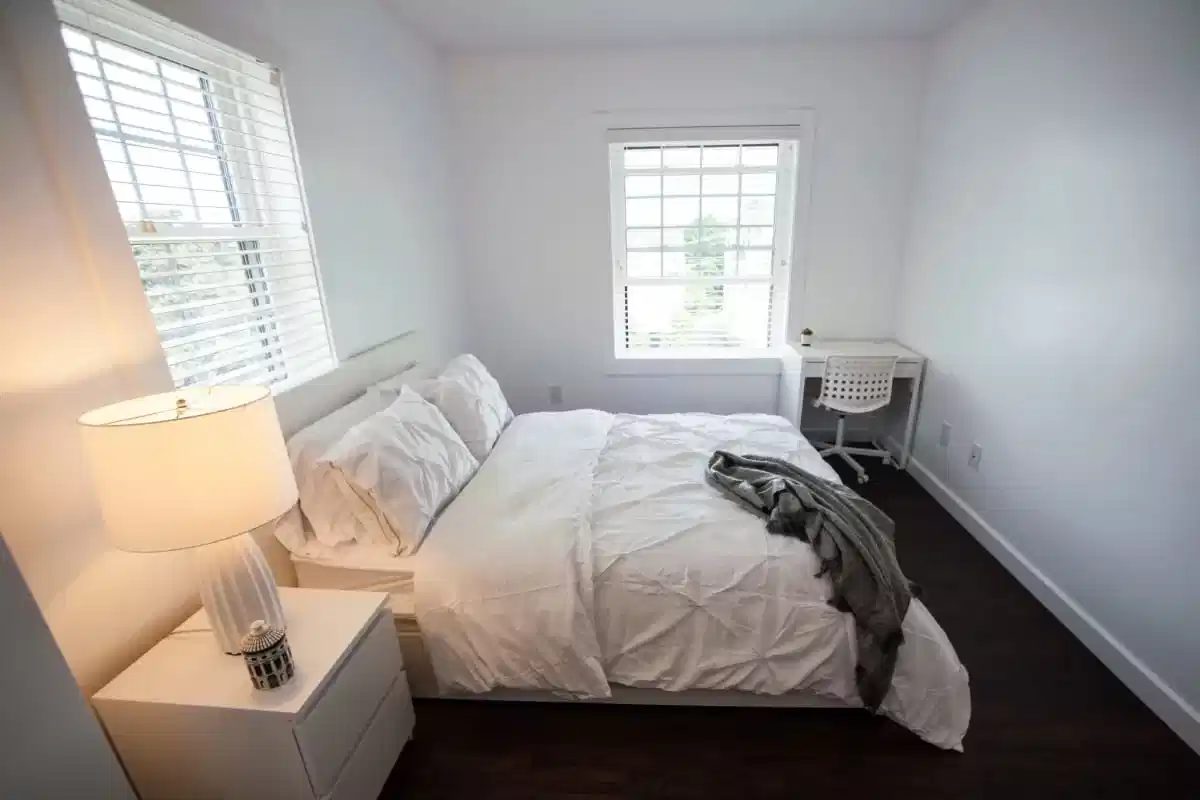
Because no specific student residences are listed in the given data, the shortlist logic below is a framework you can apply when evaluating options on general housing platforms. Apply this logic to any listing you find:
- Check distance to Via Giuseppe Verdi 8 – Use Google Maps walking time. Aim for ≤ 25 minutes on foot for A‑priority.
- Verify transport frequency – If not walkable, ensure a bus/tram stop is within 5 minutes and runs at least every 15 minutes during peak hours.
- Look for student‑friendly contracts – Many landlords require a year‑long contract (4+4 years) for apartments, but student rooms often offer 6‑month or 12‑month leases with possible renewal. Avoid handshake agreements without a written contract.
- Check for “all‑inclusive” utilities – Gas, electricity, internet, and building fees can add €50–€100 per month. Ask for written confirmation.
- Read Google or Facebook group reviews of the building or landlord – Look for comments about maintenance, security, and noise.
- Budget buffers – Budget 10–20% above the monthly rent for incidentals (deposit, agency fees, first month’s insurance).
Typical student neighborhoods mapped by budget (indicative prices – confirm with operator):
- Under €450 (shared room) – San Salvario shared flats, or private rooms in Santa Rita / Borgata Vittoria.
- €450–€600 (private room) – Vanchiglia, Crocetta, or a studio in San Salvario.
- €600–€800 (studio/one‑bedroom) – Centro, Porta Nuova, or near the Valentino Park.
Note: The University of Turin does not own a large stock of housing, but its “Welcome Desk” can provide lists of verified private offers (available through the MyUnito portal). Use this service for free.
3 Frequently Asked Questions
Q1: When should I start looking for accommodation for the 2026–2027 academic year?
Start searching in April–May 2026 if you need a place for September. Most students arrive in September/October, so July–August is peak competition. For contracts starting February 2027, begin looking in November 2026. Use social media groups (e.g., “Affitti Studenti Torino”) and official university channels.
Q2: Do I need a guarantor (fideiussione) to rent in Turin?
Often yes. Many private landlords request a guarantor with an Italian tax code (codice fiscale) who can cover unpaid rent. International students without a local guarantor can sometimes provide a bank guarantee or pay several months’ rent upfront. University‑operated residences usually do not require a local guarantor. Alternatively, use a service like “Garanzia Giovani” (for EU students) or arrange a deposit via a dedicated insurance product.
Q3: How can I avoid rental scams?
- Never pay a deposit before seeing the room/apt in person or via a live video tour.
- Verify the landlord’s identity (ask for a copy of their ID and property deed).
- Use official contracts (contratto di affitto) registered with the Italian tax agency.
- Check that the listing appears on multiple platforms (if it’s only on Facebook Marketplace with very low price, be cautious).
- For international students, ask the university’s welcome office to check the landlord’s reputation.
Final Practical Points
- Transport pass – Purchase a “studente” monthly ticket at metro stations or tabacchi shops. Show your student ID.
- Bicycle – Turin is mostly flat and bike‑friendly. You can buy a second‑hand bike for €50–€100.
- Food shopping – Supermarkets (Coop, Esselunga, Lidl) are widespread. The Porta Palazzo market (20 min walk from UniTo) has cheap fresh produce.
- Safety – Central areas are generally safe. Beware of pickpockets on crowded buses and around Porta Nuova station.
Use the information above as a starting point for your housing search. Prices and availability change quickly, so always confirm details directly with the operator before committing.
Last updated: January 2026
See also: listing details · browse more