What Campus Reviews Reveal About Tartu
Visitor and student reviews of the University of Tartu consistently highlight two things: the university’s deep historical roots and the quality of its teaching environment. ZAHID KHAN, who visited during an ERCP conference, wrote: “It is an excellent University with a rich history. Loved strolling around the fabulous campus, gardens with historical sculptures and modern architecture.” The juxtaposition of old and new is a recurring theme. The main building itself is described by Miguel Pratas as “remarkable”, and the institution’s age (founded in 1632) gives the campus a distinctive character.
Beyond aesthetics, the academic experience receives strong praise. Jakhongir Alikhanov, a Business Administration graduate, noted: “The University has great professors, who are willing to help you anytime, modern equipment, many different faculties all around the city.” This comment points to a decentralised campus – faculties are spread across Tartu, not concentrated in one block. That physical distribution matters when choosing where to live. SiVa Sendhilvelan, currently pursuing a third master’s degree, rated the university as “the best higher learning institution” among all she had attended.
The reviews confirm that for most students, the main building on Ülikooli tn 18 is the symbolic heart of the university, but you may attend classes in other faculties located elsewhere in the city. A housing search should therefore consider your specific faculty, not just the historic central address.
City Context: Living in Tartu as a Student
Tartu is Estonia’s second-largest city, with a population of roughly 100,000. It is undeniably a student town: the University of Tartu alone hosts about 13,000 students, and several other higher education institutions operate here. The city centre is compact and walkable, with most essential services – supermarkets, cafés, libraries, and the university’s main building – within a 15-minute walk of each other.
The public bus network is efficient and affordable (a single ticket around €2, with discounted student passes available), but many students find they rarely need it if they live near the centre. Tartu has a lively cultural scene, including the Estonian National Museum, the AHHAA Science Centre, and numerous parks along the Emajõgi River. Winters are cold and dark, so proximity to campus and amenities becomes a practical advantage during the colder months.
Housing options range from student dormitories operated by the university (typically the most budget-friendly) to private shared apartments and studios. The rental market is competitive but more affordable than Tallinn. Contracts are usually for 12 months, though some landlords offer shorter terms tailored to the academic year. It is wise to start searching 2–3 months before the semester begins.
Budget Bands for Student Housing (2026–2027)
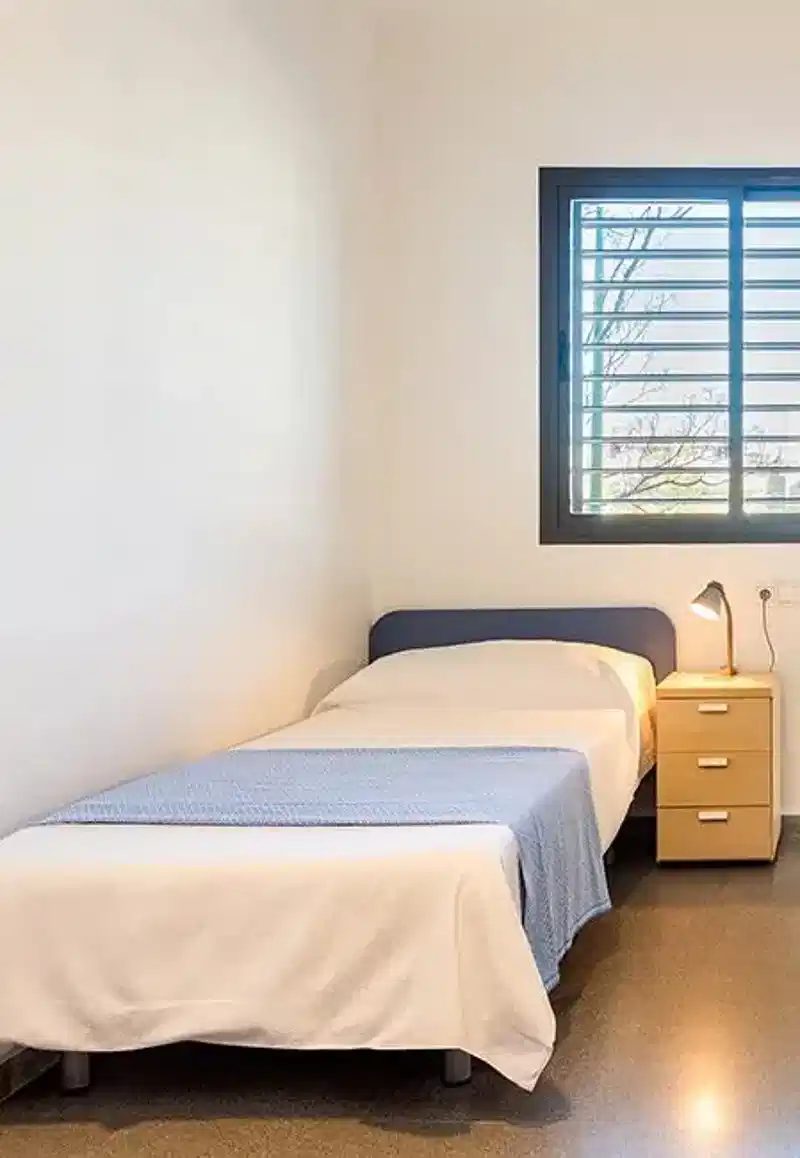
Rental prices in Tartu vary by location, property condition, and whether utilities are included. Below are indicative monthly rent bands for a single person. All prices are indicative — confirm with the operator before committing.
-
Economy (€250–€400)
Typically a room in a shared flat (2–4 roommates) or a place in a university dormitory. Dorm rooms usually share kitchen and bathroom facilities. This band suits students who prioritise low cost and are comfortable with communal living. Many such options are located in the Annelinn or Ropka districts, a 20–30 minute walk from the city centre. -
Mid-range (€400–€550)
A private room in a well-located shared flat or a small studio apartment within 15 minutes of the main building. Utilities (heating, electricity, internet) are often included in this range. These rentals offer a good balance of comfort and price. You will find clusters of such housing in the Karlova and Supilinn neighbourhoods. -
Premium (€550–€750)
Modern studio or one-bedroom apartment close to the city centre or directly next to a faculty building. Higher-quality furnishings, newer buildings, and sometimes a balcony or parking spot. Premium options appeal to couples or students who value privacy and quiet study space.
Note: All figures above are rough estimates for the 2026–2027 academic year. Actual rents fluctuate, and you should verify current prices with property managers or landlords.
Walk vs Transit: Choosing Your Location
The decision between walking and using public transit largely depends on how close you want to be to your faculty. Because the university’s faculties are scattered, a location that is a 5-minute walk to the main building might be a 20-minute bus ride to the Faculty of Medicine or the Faculty of Science and Technology.
-
City centre (Ülikooli tn area, Raekoja plats):
Walking time to the main building: under 5 minutes. Many faculties (social sciences, humanities, business) are within a 10-minute walk. You will pay a premium for this convenience, but you save time and transit costs. Buses are rarely needed. -
Karlova and Supilinn:
Walking time to the main building: 10–20 minutes. These are popular student neighbourhoods with older wooden houses and a bohemian vibe. Buses run along major streets; a journey to the far faculties might take 15–25 minutes. Rent is lower than the centre. -
Annelinn and Ropka:
Walking time to the main building: 30–40 minutes. These districts contain many affordable dormitories and flat shares. You will rely on buses (journey to the centre about 15 minutes by bus). The trade-off is a lower rent in exchange for a longer commute and less vibrant surroundings. -
Near the university’s Delta Centre (Science & IT faculties):
This newer complex is located about 2.5 km from the main building. If your studies are there, consider living in the Tähtvere or Veeriku districts, which offer direct bus routes and some modern apartments. Walking from the centre takes 30 minutes.
When choosing, check which faculty you will attend most frequently. A 10-minute walk to the main building may be less useful if your classes are at the opposite end of town.
How to Shortlist Nearby Residences (with examples)
Building a shortlist of potential housing involves balancing three factors: budget, distance to your faculty, and the type of accommodation you prefer. Below is a logical process to help you narrow options, using examples of residence types commonly available in Tartu. (No specific brand names are used; descriptions are generic.)
Step 1: Identify your faculty and acceptable commute
- If your faculty is in the main building or the adjacent Von Bock House, target the city centre (up to 10 minutes walk).
- If you are in the Delta Centre (Raatuse tn), look at Tähtvere or Veeriku (15–20 minutes walk or 5–10 minutes bus).
- If you are in the Biomedicum (Ravila tn), consider Annelinn or the area near the university hospital (bus ride 10–15 minutes).
Step 2: Set your budget band
Using the bands above, decide what you can spend per month. This will immediately rule out some neighbourhoods. For example, a budget under €350 will likely push you to a dormitory room in Annelinn or a shared flat in Karlova (older building, shared facilities).
Step 3: Evaluate nearby residence examples
Below are four typical residence types that reflect the range of options available. Prices are indicative — confirm with the operator.
-
University-owned dormitory (e.g., Narva mnt or Raatuse dorms)
- Monthly cost: €250–€350 (shared room)
- Distance to main building: 5–10 minutes walk
- Utilities usually included; common kitchen and bathrooms
- Ideal for first-year students seeking social atmosphere and low cost.
-
Shared private flat in Karlova (wooden house, 3 bedrooms)
- Monthly cost per person: €300–€400
- Distance to main building: 15 minutes walk
- Full kitchen, living room, usually bills extra
- Good for students who want independence but don’t mind roommates.
-
Studio apartment in Supilinn (renovated, 25 sqm)
- Monthly cost: €450–€550
- Distance to main building: 12 minutes walk
- Private kitchen and bathroom; often includes heating
- Suits those who need quiet study space and can afford mid-range rent.
-
Modern 1-bedroom apartment near Delta Centre (built 2020)
- Monthly cost: €550–€650
- Distance to Delta Centre: 5 minutes walk; to main building: 30 minutes walk
- Amenities include parking, balcony, high-speed internet
- Best for students primarily based at the science faculties.
Step 4: Create a shortlist of 5–7 addresses
Use online rental platforms to filter by your chosen neighbourhood and price range. Visit properties in person if possible, as photos can misrepresent actual space and noise levels. Check the bus schedule if you plan to commute. Many students also ask current university contacts for recommendations.
FAQ
Q1: Is it cheaper to live in a university dormitory or a private flat in Tartu?
University dormitories are generally the most affordable option, with rents starting around €250 per month for a shared room. Private flats in the city centre start from about €400 for a studio. However, dormitory rooms often lack privacy and may have strict rules. The choice depends on your budget and preference for independence. Prices are indicative — confirm with the operator.
Q2: How far in advance should I start looking for housing for the 2026/2027 academic year?
Start searching at least 2–3 months before your intended move-in date. Many landlords and dormitory offices begin accepting applications in May for September starts. The market moves quickly in August, so early planning helps secure your preferred location and price. Confirm specific timelines with your university’s housing office.
Q3: Which neighbourhood is safest for a female student living alone?
Tartu is generally a safe city. The city centre, Karlova, Supilinn, and Tähtvere are considered very safe with good street lighting. Annelinn has a reputation for being less safe at night, though crime rates are low by international standards. Always check the building security (entry code, locked doors) and visit the area after dark before signing a lease.
Data date: March 2027
See also: listing details · browse more