Housing Near the University of Siena: What Students Say & Where to Look
The University of Siena (Università degli Studi di Siena) is one of Italy’s oldest and most historic universities, founded in 1240. Located in the heart of Tuscany, it ranks 607th in the QS World University Rankings. The main campus is at Banchi di Sotto, 55, right in the medieval city centre. For students planning to study here in 2026 or 2027, finding accommodation requires understanding the local housing market, reading between the lines of student reviews, and knowing how to balance convenience with cost. This guide lays out the key factors to consider, based on real student feedback, city context, and practical budget strategies.
What Campus Reviews Reveal: Mixed Experiences Matter
The university’s Google rating of 4.3 out of 5 (based on 154 reviews) suggests overall satisfaction, but individual reviews tell a more nuanced story. One student, Vu Thuy Phuong Trang, gave a 5-star rating and wrote: “Great University with all helpful support from Professors and supervisors. Thank you Unisi!” This positive experience highlights the academic support that can be a strong pull for international students.
In contrast, a reviewer named lee Spearz gave 1 star and claimed: “One of the worst universities in my opinion. For international students, they are being racist sometimes, that they don’t let students complete exams and finish off studies. No support from the faculty including higher authorities. Strongly recommend not to apply for this university.” While this is a single opinion, it flags the potential for administrative or cultural friction for international students. If you are coming from abroad, it is wise to contact the university’s international office directly to verify support services before committing.
A third review, by Leonardo Cantini (3 stars), noted: “It’s a historic university setting, but the student facilities aren’t up to scratch.” This points to a common trade-off: studying in a beautiful, centuries-old city often means older infrastructure. When choosing housing near campus, you may need to adjust expectations regarding modern amenities (fast internet, modern bathrooms, heating in winter). Newer apartment blocks are rare in Siena’s historic centre; most residential buildings date from the 19th century or earlier.
City Context: Siena’s Housing Landscape
Siena is a compact city of about 54,000 residents, with a large student population. The historic centre is a UNESCO World Heritage site, with steep, winding streets and limited car access. The university’s main buildings are scattered around the old town—mainly near Piazza del Duomo, Piazza San Francesco, and the Via Banchi di Sotto area. Housing options include:
- Private apartments (monolocali): Small studios for one person, usually €400–€700 per month (indicative — confirm with the operator).
- Shared apartments (appartamenti in condivisione): A room in a multi-bedroom flat ranges from €250–€450 per month (indicative). Bills (utilities, internet, waste tax) are often extra, adding €50–€100.
- Student residences (college): Public and private dormitories managed by DSU Toscana (Diritto allo Studio Universitario) offer subsidised rooms for eligible students, typically €150–€350 per month. Priority goes to low-income and out-of-town students. Check eligibility directly with DSU Toscana—do not apply through any third-party agency.
- Short-term rentals (affittacamere): For exchange or master students staying one semester, renting a room in a B&B or dedicated student house may cost €500–€900 per month (indicative).
Average rents in Siena are lower than in Florence or Milan but higher than in smaller Tuscan towns. Demand peaks from September to October for the start of the academic year. If you start searching late (November onward), the best-priced rooms will likely be taken.
Walk vs. Transit Trade-Off
Siena is essentially walkable for a student. The historic centre is only about 1.5 km across. The university’s main lecture halls and libraries are within a 15-minute walk of most residential areas inside the old walls. Living directly in the centre (cost category: moderate to expensive) means you can walk to class in 5–10 minutes. The downside: higher rent, cramped living spaces, and potential noise from tourists and nightlife.
If you choose accommodation outside the centre (e.g., in the suburbs: San Prospero, Ravacciano, or in the nearby village of San Miniato), you will pay 20–30% less for a larger space, but you will need to rely on:
- Local buses (Tiemme): A monthly student pass costs about €30. Buses run from suburbs into the central Piazza Gramsci terminal, which is a 5-minute walk from the University of Siena’s main administrative building.
- Scooter or bicycle: Scooters are popular. A second-hand 125cc scooter can cost €1,500–€2,500; parking is usually free. Bicycles are less practical due to steep hills.
- Walking: From the outer ring (Piazzale della Stazione, Porta Pispini, Porta Camollia) the walk into the centre is 20–30 minutes uphill in parts.
Trade-off example: A shared room in the suburb of Pian dei Mantellini (15–20 min walk) can be €280/month (indicative). A similar room near the Duomo (5 min walk) may be €450/month (indicative). Over 10 months, you save €1,700 by living farther out, but you spend about 2 extra hours per week walking or waiting for buses.
Shortlist Logic: How to Choose a Residence
Because this guide does not have a pre-defined list of nearby properties, you can apply a simple shortlist logic based on your own priorities. When browsing housing platforms (please verify any URL you find independently), follow this checklist:
- Proximity to your faculty: The University of Siena has multiple sites—the main campus is in the centre, but departments like Engineering (located in the San Niccolò area) or Economics (near Piazza San Francesco) are slightly different. Check your lecture addresses. If you are in a science programme, you may need to use a bus to reach the San Niccolò science campus (10–15 min by bus from the centre). Housing near Porta San Marco or San Prospero would then be more convenient.
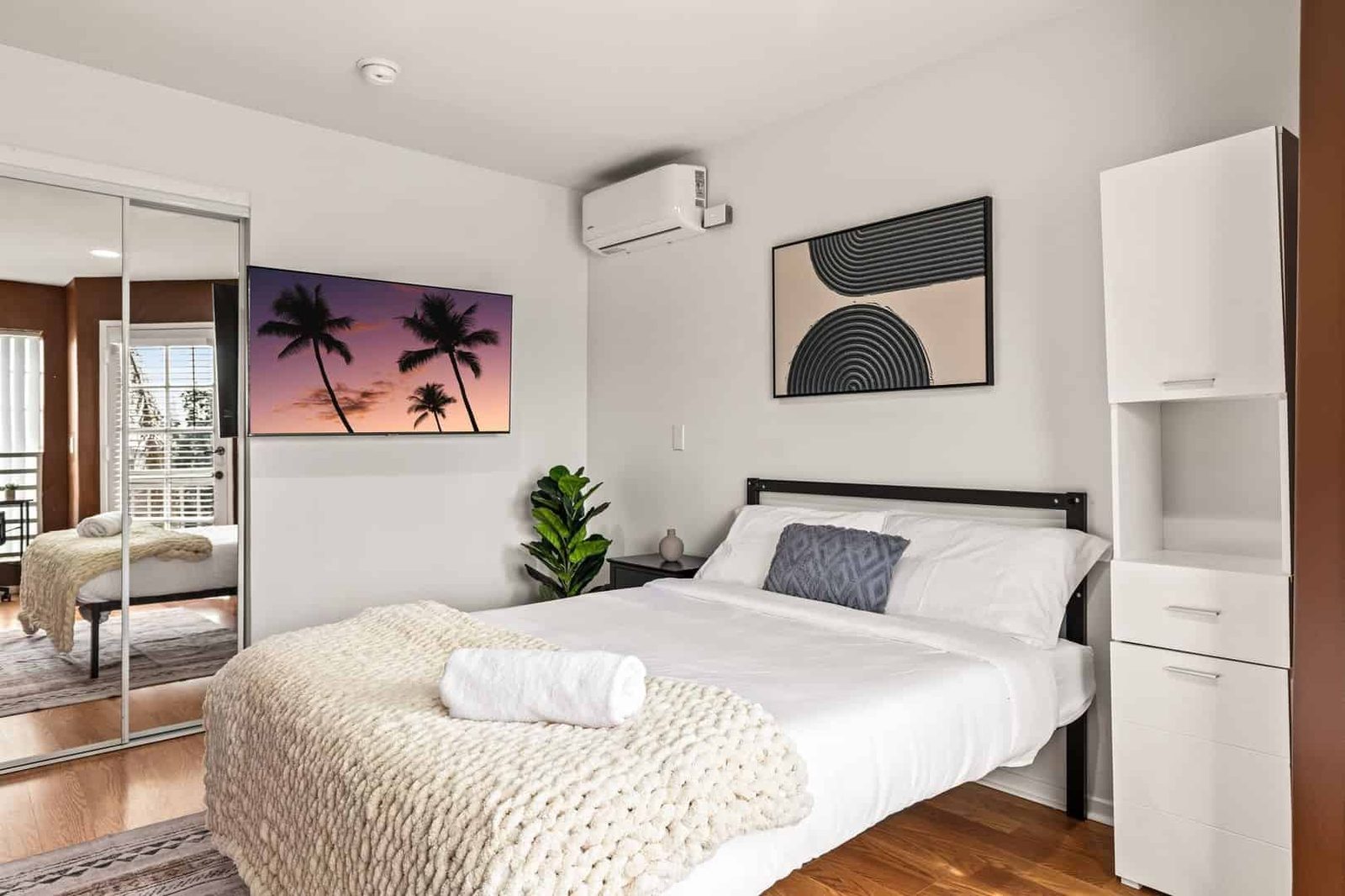
-
Contract type: Italian rental contracts for students are typically:
- Transitorio (temporary): 4–12 months, used for non-resident students. No need to register permanent residency.
- 4+4 (ordinary): Rarely offered to students short-term; avoid unless you plan to stay for years.
- Chamber (room-only): The lease is often a “comodato d’uso” or a simple hospitality contract. Ask for a written agreement with inventory and bills split in writing.
-
Utilities and hidden costs: Many listings quote “spese incluse” (bills included) but may cap heating or internet speeds. In winter, heating bills in old buildings can be high – €100–€150 per month per household. Clarify if bills are split equally or based on meters.
-
Deposit: Usually 3 months’ rent (one month for small student residences). Deposit must be returned within 30 days after you vacate, minus verified damages. No legitimate landlord asks for a deposit before you sign a contract.
-
Security: Siena is generally very safe, but property crime (bicycle theft, opportunistic bag-snatching) exists in tourist-heavy areas. Check that the door locks are solid and that the building has a sturdy front gate.
Sample shortlist matrix (narrative, no table):
- If budget is under €350/month and you value space, search in the suburbs: San Prospero, Via Giordano Bruno, or even Costalpino (requires bus).
- If budget is €400–€600/month and you want a studio, look in the central area between Piazza del Duomo and Via Banchi di Sotto – you will pay a premium but save commute time.
- If you are an international student looking for community, shared apartments near Via San Pietro or Via Fontebranda often house mixed Italian/international groups.
Practical Tips from Student Experiences
The mixed reviews highlight that personal experience depends on your specific programme and interpersonal interactions. For housing, consider joining student-run WhatsApp and Facebook groups for the University of Siena (search “Scienze” or “Unisi studenti”). These groups often share sublet offers directly, bypassing agency fees. However, do not share personal or banking details until you have seen the flat in person or via a video call.
Also be aware that the local DSU student office (located on Via San Niccolò) offers advice on housing subsidies and can help you apply for a “college” place. The office can be reached by phone or email (details available on their official site) – but because we cannot list URLs here, search “DSU Toscana Siena student housing” on a web browser to find the correct page.
FAQ
1. When is the best time to start looking for accommodation in Siena? For the academic year starting in September/October 2026, begin your search in June 2026. Many landlords list rooms from August onwards. If you search in September, expect fewer options and higher prices. For a second-semester start (February 2027), start looking in December 2026. Use official noticeboards (bacheche) at university buildings, which are often updated from mid-summer.
2. Is it better to rent a private apartment or a room in a shared house? A private apartment (studio) gives you independence and quiet, but in Siena it will cost at least €500 per month (indicative). Sharing a house with other students (preferably 2–4 people) is more common and reduces your rent to €250–€400. Shared living also helps you make social connections, especially if you are new to Italy. Be aware that shared apartments sometimes have issues with cleaning duties and guest policies – discuss expectations before signing.
3. What documents do I need to rent in Italy as an international student? You will need: valid passport, student visa (if applicable), Permesso di Soggiorno (residence permit) application receipt or card, Italian tax code (Codice Fiscale), and sometimes a guarantor in Italy. If you lack a guarantor, you may be asked to pay 3–6 months’ rent upfront. Some private landlords accept a bank guarantee (fideiussione bancaria), which costs about 2% of the guaranteed amount per year. Initiate the Codice Fiscale at the Italian tax office (Agenzia delle Entrate) as soon as you arrive – it is free and usually issued on the spot.
Last updated: April 2026. All prices are indicative — confirm with the operator before signing any contract.
See also: listing details · browse more