What Campus Reviews Reveal About the University of Porto
The University of Porto (QS World Ranking 237) occupies a central position in Portugal’s second-largest city. Its main campus, located at Praça de Gomes Teixeira, 4099-002 Porto, sits within a lively urban area known for granite architecture, riverside views, and a walkable city centre. Prospective students will want to understand the living environment before choosing where to stay — and the reviews left by visitors and students offer a useful starting point.
Campus Vibe and Surroundings
Reviewers consistently highlight the university’s architectural appeal and energetic atmosphere. One visitor, Mocmoc P, wrote: “The beautiful architecture and central location were a sight to behold. The whole campus buzzed with a vibrant, academic energy that was truly inspiring.” This suggests that the campus itself acts as a focal point for student life, surrounded by cafes, bookshops, and public transport links.
Another review, from Akash Bhattacharjee, mentions “multiple installations present in the corridor, with a big replica of the sun, moon and the earth hanging from the roof.” Such public art and open spaces indicate that the university is integrated into the city fabric, not isolated in a distant suburb. For students looking for housing, being able to walk to these areas adds convenience and a sense of belonging.
For international students specifically, Muhammad Ahsan gave a five-star rating and stated: “The university is very suitable and well-structured for international students. The academic environment is supportive, and the staff are highly cooperative and helpful toward international students.” That kind of institutional support matters when you are navigating a new city and need reliable guidance — from finding accommodation to opening a bank account.
Finally, a short review from F R notes “Great staff with interesting exhibitions and information.” Combined, the reviews paint a picture of a welcoming, culturally rich campus that rewards proximity.
City Context: Porto as a Student City
Porto is Portugal’s second-largest metropolitan area, with a population of roughly 1.7 million in the wider region (2021 census). It is a compact, hilly city built along the Douro River. The historic centre is a UNESCO World Heritage site, and the climate is mild, with average winter lows around 5°C and summer highs reaching 25°C.
The city’s student population is significant — the University of Porto alone has more than 30,000 students across its three main campuses (the central Campo Alegre and Asprela sites, plus the main building at Praça de Gomes Teixeira). Housing demand is concentrated in the central parishes (Cedofeita, Santo Ildefonso, Sé, Miragaia) and the area around the university’s main building.
Rent levels in Porto have risen in recent years, but remain lower than in Lisbon. That said, students on a tight budget will find the market competitive, especially during the booking season from May to September.
Budget Bands
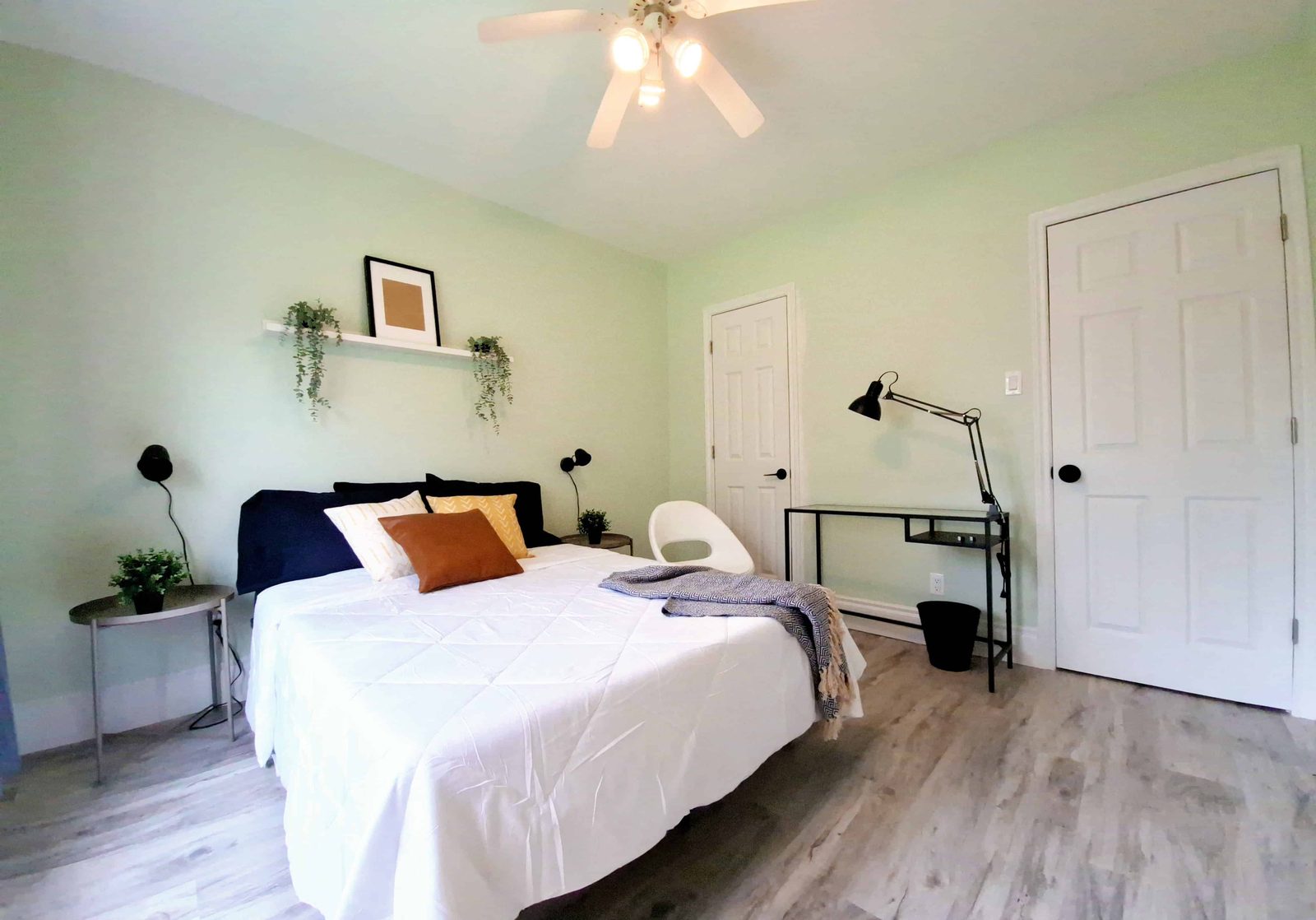
Student housing costs in Porto can be grouped into three broad bands. Note that these are indicative — confirm with the operator or landlord before committing.
- Budget options: Typically shared flats with three to five bedrooms, located 20–40 minutes from the central campus by public transport. These often come unfurnished or semi-furnished, with shared utilities. Indicative monthly rent per person: a widely cited range (confirm with the operator).
- Mid-range options: Purpose-built student residences or private studios within a 15–25 minute walk or short bus ride. These usually include bills, internet, and basic furniture. Indicative monthly rent: slightly higher than budget options, but with more certainty on costs.
- Premium options: Fully equipped studios or one-bedroom apartments in the immediate vicinity of the university or in prime neighbourhoods (e.g., near Rua de Santa Catarina). These often include gyms, common rooms, and 24/7 reception. Indicative monthly rent: highest range, limited availability.
Because the university’s main building is centrally located, the “premium” category is not always necessary — a budget or mid-range room within a 20-minute walk can put you right next to classes.
Walk vs. Transit: Choosing Your Base
Porto’s centre is walkable, but the city’s hills can be demanding. The University of Porto’s main site at Praça de Gomes Teixeira is on a flat plateau close to the Trindade metro station. That station connects to the yellow and blue lines, giving direct access to the Asprela campus (site of many science and engineering faculties) and other parts of the city.
Walking trade-off: Living within a 10–15 minute walk of the main building means you skip the metro fare and stay in the historic core. The trade-off is higher rent and potentially older housing stock (pre-war buildings with no lift). Noise from street life can also be a factor.
Transit trade-off: Moving a bit farther out — say 25–30 minutes by metro or bus — lowers rent and often gives you a more modern flat in quieter neighbourhoods like Paranhos or Amial. The cost is time and a monthly transport pass (around €30 for a student unlimited pass, indicative — confirm with the operator). The metro runs from roughly 6 a.m. to 1 a.m., so late-night returns after study sessions may require a bus or ride-hail.
For international students, ease of arrival matters. Those arriving at Porto Airport (OPO) can take the purple metro line directly to Trindade in about 30 minutes. Accommodation near the Trindade or Bolhão stations therefore serves as a convenient base.
Shortlist Logic for Nearby Residences
When narrowing down housing options near the University of Porto, filter through three lenses: distance to your teaching building, budget, and lease terms. The reviews suggest that the central campus is the primary contact point for many students, especially those in humanities, law, economics, and architecture.
A practical shortlist logic might look like this:
- Check your faculty location first. The University of Porto has departments spread across multiple sites. The main building is primarily administrative and for some courses; many science and engineering lectures happen at the Asprela campus (about 3 km away). If you are in those fields, a room nearer to Asprela (around Hospital de São João) may be more logical than a place right next to the central building.
- Set a maximum commute of 30 minutes door to door. Using Google Maps or the city’s public transport app (Andante), test travel time during weekday mornings. That 30-minute window balances cost and convenience.
- Prioritise bills-included offers. Many student residences in Porto include water, electricity, gas, internet, and trash fees in a single monthly payment. This avoids unexpected spikes during winter when heating bills rise.
- Look for documented support for international students. One reviewer specifically praised the university’s cooperative staff. If a residence works closely with the university’s international office, it often provides contract assistance and roommate matching.
Examples of typical residence types that pass the shortlist (names are generic — not a specific brand):
- Self-contained studios near Trindade: walk to the main building in under 10 minutes, monthly rent indicative — confirm with the operator.
- Shared flats in Paranhos: 20–25 minutes by metro to the main building, lower rent but must factor in metro costs. Indicative — confirm with the operator.
- Purpose-built student housing in the Boavista area: a short bus ride to both the main building and Asprela, with common areas and laundry. Indicative — confirm with the operator.
Remember that lease start dates in Porto often follow the academic calendar (late September to mid-October). Some operators offer 12-month contracts, others 10-month. If you plan to travel in June, a 10-month lease can save money.
FAQ
How far in advance should I look for housing near the University of Porto?
Start your search at least three to four months before your intended move-in. The high season runs from May to September, and popular rooms near the central campus get booked by June. Secure a shortlist by April if you want a wider selection.
What documentation do I need to rent a room in Porto?
Most landlords or residence operators request a copy of your passport, a student visa (or residence permit), proof of enrollment, and sometimes a Portuguese tax number (NIF). Some operators may also ask for a guarantor or a rental deposit equal to one or two months’ rent. Confirm all requirements with the operator before signing.
Are utilities usually included in rent?
It depends on the property type. Purpose-built student residences almost always include utilities in the monthly fee. Private apartments or shared flats may list rent without utilities, so always ask. In older buildings, electricity and gas costs can be significant during winter; an “all-inclusive” price helps with budgeting. Indicative — confirm with the operator.
Data as of February 2026.
See also: listing details · browse more