Where to Live Near the University of Otago in 2026
The University of Otago, ranked 197th globally in the QS World University Rankings, sits in the heart of Dunedin, New Zealand. With a Google rating of 4.7 out of 5 from more than 500 reviews, the campus consistently impresses visitors and students alike. As you plan your move for the 2026 or 2027 academic year, finding the right place to live is just as important as choosing your course. This guide unpacks what students say about the campus, explains the local housing market, and helps you weigh cost, convenience, and lifestyle.
What Campus Reviews Reveal
The university’s physical setting is a recurring theme in feedback. Benjamin Saravia wrote a year ago: “Hard to beat a sunny day at Otago. The university grounds are honestly stunning — that classic Clocktower building with its stonework looks straight out of a movie, especially with blue skies overhead. Everything feels open and peaceful, with the river running through and students lounging on the gr…” The Clocktower building and surrounding green spaces create a calm, almost cinematic atmosphere that many residents appreciate.
Michelle Guevarra, visiting two months ago, called the campus “just perfectly beautiful. If you are in Dunedin make sure you pop in to see this gem!” That sense of visual appeal is reinforced by Grant Riddell, who commented six years ago: “This is the beautiful University of Otago! One of the best places to come and study in NZ. Located in the amazing city of Dunedin, you will never have a dull moment. There are beautiful beaches, bars, restaurants, and the people are nothing short of awesome!”
Kenny, who spent two years on campus, added a practical tip: “My stomping grounds for 2 years. Love this place to bits! Pro tip: If you’re here for a visit, go to the Quads and the Clock Tower during semester breaks, it won’t be crowded. Early morning or late afternoon would be the best time to visit and take pictures.”
These reviews point to a campus that is not only visually striking but also surrounded by a lively, compact city where you can walk to beaches, bars, and dining. For students choosing accommodation, the key takeaway is that the campus itself is a pleasant place to spend time — so living nearby means you can enjoy it year-round, not just during classes.
City Context: Dunedin as a Student Hub
Dunedin is a small city with a large student population. The University of Otago dominates the northern part of the city, and the suburb of North Dunedin is essentially a student quarter. The city centre, known as the Octagon, is a short walk or bus ride from campus and offers supermarkets, cafés, restaurants, and entertainment. Beaches such as St Clair and St Kilda are within 10–15 minutes by car or bus.
The overall cost of living in Dunedin is lower than in New Zealand’s larger centres such as Auckland or Wellington. Rent is typically the largest expense, but utility and food costs remain moderate. The city’s weather is cool and rainy, so housing with good heating and insulation matters.
Because many students live within walking distance of campus, the housing market in North Dunedin is tightly clustered. Streets around Albany Street, Leith Street (where the university is located), and Cumberland Street are filled with older villa-style houses converted into shared flats, as well as newer purpose-built student accommodation.
Budget Bands: What You Can Expect to Pay
Rental prices in Dunedin vary primarily by distance from campus and the type of housing. The figures below are indicative — confirm with the operator for the specific year you plan to arrive.
-
Low budget (under NZD 180 per week): A room in a shared flat with two or more flatmates, usually in a house a bit further from campus (15–20 minutes walk). These properties tend to be older and may lack modern heating or double glazing. Utilities (power, internet, water) are typically shared and add about NZD 25–40 per week.
-
Medium budget (NZD 180–280 per week): Most students fall into this band. You can expect a room in a well-maintained shared house within 10–15 minutes walk of the Clocktower. Many flats in North Dunedin and around Dundas Street fit here. Some newer studio apartments in the city centre also start around NZD 280.
-
Higher budget (NZD 280–400 per week): A one-bedroom apartment or a large single room in a modern student complex. These are often closer to campus or have private bathrooms. If you want to live alone or in a brand-new building, expect to pay NZD 350 or more.
-
Premium (above NZD 400): Limited options in Dunedin. Luxury apartments in the exchange area or fully furnished townhouses in Maori Hill or Gardens can reach this level, but most international students do not need to go that high.
Remember that many rentals are advertised per person per week. Some contracts are for 50 weeks, others for the full year. Always check what is included (furniture, bills, internet) and whether the lease aligns with the academic calendar.
Walk vs. Transit Trade-Off
The University of Otago campus is compact and mostly flat. Most lecture theatres, the library, and the student union are within a few minutes’ walk from any point on campus. That makes walking the primary mode of transport for students living in North Dunedin.
-
Walking zone (0–15 minutes): The area bounded by St David Street, Albany Street, and Frederick Street places you within an easy walk. Rent here is typically at the medium or higher end of the budget bands. The trade-off is convenience — you can sleep later, avoid bus costs, and walk home even late at night.
-
Cycling zone (15–25 minutes): If you’re fit and don’t mind Dunedin’s hilly terrain, cycling extends your options. Suburbs like Maori Hill, Roslyn, or Mornington are 20–25 minutes by bike. Rent is noticeably lower, and you get quiet, leafy streets. You need a good lock and lights.
-
Bus zone (25–40 minutes): The city’s bus network (run by Otago Regional Council) connects outer suburbs to the university. A single trip costs around NZD 2.50 with a Bee Card. Suburbs like Anderson Bay, Corstorphine, or even Mosgiel offer lower rent but require planning around bus schedules. Buses can be less reliable late at night, which matters if you have evening classes or social commitments.
- Car: On-campus parking is limited and expensive (often NZD 300–600 per semester). Most students do not drive to campus. If you own a car, live further out and park on a side street.
The general rule: the closer you live, the more you pay per week, but the less you spend on transport and time. For most first-year or international students, the convenience of walking justifies a higher rent, at least initially.
Shortlist Logic: How to Choose Among Nearby Residences
Although we cannot name specific properties here, the following framework helps you evaluate housing options in Dunedin. Use it to create your own shortlist.
-
Define your non-negotiables: Is a private bathroom essential? Do you need a quiet study space? Are you willing to share a kitchen with four people or only one?
-
Map distance to your faculty: Check the address of your department (for example, Science buildings are near the Clocktower; Health Sciences are on Great King Street). Walk from each viewing to your main building using Google Maps.
-
Inspect the property in person or via video call: Look for damp patches, mould, window seals, and the condition of heaters. Dunedin is damp in winter; insulation matters.
-
Talk to current tenants: If visiting a flat, ask about average weekly power bills, landlord responsiveness, and noise levels on the street (especially Thursday–Saturday nights when student parties are common).
-
Check lease terms: Many student rentals run from February to November (academic year). Some landlords demand a full 12-month lease. Ensure you can sublet or break at a reasonable cost if you leave early.
-
Consider a trial period: It is common to book short-term accommodation (e.g., Airbnb or a hall of residence) for the first two weeks of semester. Use that time to view flats in person before signing a longer contract.
Applying this logic, you will likely shortlist:
- Shared houses on streets like Great King Street, Albany Street, or Dundas Street for a classic student experience within walking distance.
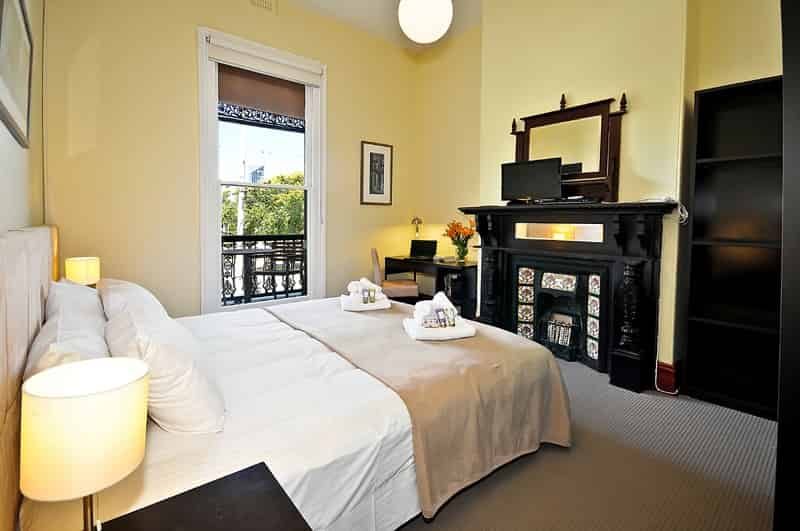
- A small studio near the campus if you prefer solitude — these are limited and book early.
- A room in a more distant suburb (Maori Hill, Belleknowes) if you value quiet and lower rent and have a bike or bus pass.
Each option has trade-offs. The key is to align your budget, tolerance for walking, and desire for social life.
Three Frequently Asked Questions
Q1: When should I start looking for housing for the 2026 academic year?
Many student flats in Dunedin are let 6–9 months in advance. If you need a place for February 2026, start browsing in mid-2025. Some purpose-built student accommodation opens applications in August. For private flatting, the peak season is October–December. If you search early, you have more choice; if you search in January, you may need to accept leftovers.
Q2: Is it possible to find housing under NZD 200 per week near campus?
Yes, but such rooms are usually in older houses with multiple flatmates (4–6 people). They tend to be fully furnished but may lack modern amenities. You will need to act fast when listings appear. Sharing with more people reduces rent but increases noise and competition for bathroom and kitchen time. Indicative — confirm with the operator for current availability.
Q3: Should I rent directly from a landlord or use a student accommodation provider?
Direct landlord rentals are often cheaper but carry more risk (no formal support, variable maintenance). Student accommodation operators typically include bills, internet, and Wi-Fi, have on-site staff, and offer short-term contracts. The trade-off is higher rent. If this is your first time living away from home, a managed property can give you a smoother transition. For 2026 or 2027, compare total cost (including utilities) and contract flexibility before deciding.
Data-Date: March 2026
This guide reflects conditions as of early 2026. Rental markets can shift, so always verify current prices and availability directly with landlords or operators. The University of Otago’s beauty remains constant — what changes is where and how students choose to live nearby. Use the steps above to build a housing plan that fits your budget and lifestyle.
Last updated: 2026-03-01
See also: listing details · browse more