What Campus Reviews Reveal About Living at Kent
Student reviews of the University of Kent offer practical clues for anyone thinking about where to live while studying here. The campus sits on a hill overlooking Canterbury, and the reviews highlight features that directly affect housing choices.
A 5‑star review from Rafal Lesniak mentions the “Medical part” and says “Teachers and student ambassadors were absolutely prepared for open day.” While this comment focuses on academic support, it also suggests that students who need frequent access to specific facilities — like laboratories — should prioritise accommodation within walking distance of campus. The review implies that being close to academic buildings saves time and reduces stress during busy periods.
Martin Gunter gives the university 5 stars and notes that his daughter “is enjoying it and the course that she is on.” He adds that she is “great with budgeting for her food.” This comment points to a common reality: managing a budget is easier when you live in an area with affordable groceries and shops. Canterbury’s city centre has several supermarkets, and students living there can walk or take a short bus ride to campus.
Nuwan Gajanayake gives 3 stars and says, “The library is the best place in this university. It is well equipped and spacious. I spent a lot of time there during my Masters.” He also notes a negative: “Local students and residents are rude and extremely.” Though the review is partly critical, it reinforces the importance of a good library nearby. If you plan to study late in the library, you may want accommodation that allows easy access after hours — either on campus or along a well‑lit, safe route. The comment about locals, while subjective, suggests that some students may prefer living in areas with a high concentration of fellow students to avoid potential friction.
Jacopo Meli gives 5 stars and praises “the faculty is incredibly supportive.” He mentions “modern stu” (likely “modern study” or “modern student”) facilities. This indicates that the campus is well‑equipped for learning. For students who value regular interaction with lecturers and access to modern study spaces, living close to campus can be a decisive advantage.
Taken together, these reviews underline that convenience, safety, study space availability, and local community atmosphere are all factors to weigh when choosing accommodation.
Canterbury City Context
Canterbury is a historic city in Kent, about 55 miles southeast of London. The University of Kent campus is located on a hill at Giles Lane, approximately 1.5 miles north of the city centre. The city has a compact core with a cathedral, cobbled streets, shops, restaurants, and transport links including Canterbury West and Canterbury East railway stations. Regular buses connect the campus to the town centre.
The student population is sizable, so much of the housing market caters to students. Private rented houses are common in areas like the city centre, Sturry Road, Wincheap, and along the bus routes to campus. Purpose‑built student accommodation (PBSA) complexes are also available, often offering en‑suite rooms, shared kitchens, and social spaces.
Because the campus is on higher ground, walking to and from town involves a steep incline. This physical geography influences the walk‑versus‑transit decision for many students.
Budget Bands (2026/27 — Indicative Prices)
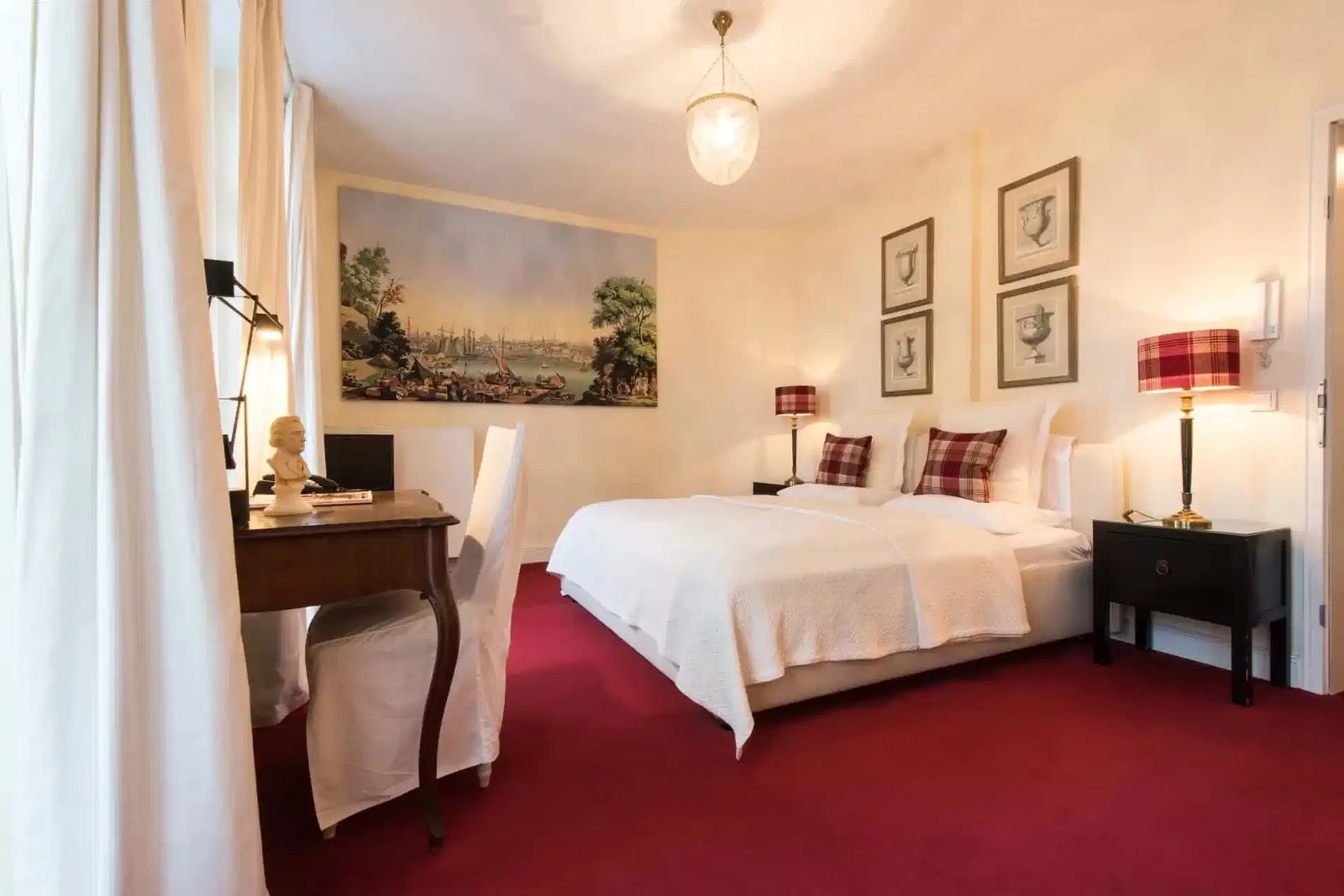
All prices below are indicative only and should be confirmed directly with the operator. Do not treat them as fixed offers. Prices are based on typical 2026/27 academic year contracts (usually 44–51 weeks).
-
Low budget (under £130 per week)
These rooms are most commonly in shared houses (HMOs) located a 20–30 minute walk from campus or a short bus ride. Expect a standard bedroom with shared bathroom and kitchen. Bills may or may not be included. Popular areas: Sturry Road, Wincheap, and parts of the city centre near the bus stops. -
Medium budget (£130 – £170 per week)
This band covers en‑suite rooms in purpose‑built student blocks, often closer to campus or within a 15‑minute walk. Many include bills (utilities, internet) and sometimes a gym or common room. Also includes some high‑quality shared houses with modern kitchens. -
High budget (over £170 per week)
Studio apartments or high‑spec one‑bedroom flats, usually in the city centre or right at the edge of campus. These offer maximum privacy but come at a premium. Bills are almost always included. Some luxury PBSA developments fall into this tier.
Note that on‑campus university‑owned accommodation is also available, but its pricing varies by hall and contract length. Always check the official university accommodation portal for current rates.
Walk vs Transit Trade-off
The trade‑off between walking and taking public transport is a central decision for Kent students.
Walking
- From the city centre (e.g., St George’s Street) to the main campus is about 25–30 minutes on foot, mostly uphill.
- Walking from areas nearer the campus (e.g., Giles Lane or Sturry Road) takes 10–15 minutes.
- Advantages: no bus fare, no schedule dependence, good exercise.
- Disadvantages: can be tiring after a full day of lectures, especially in wintry or rainy weather.
Transit (bus)
- The Stagecoach service (primarily the Unibus – routes 1, 2, 3, 4, and 5) runs frequently along the main corridors: Canterbury city centre, the campus, and nearby estates.
- A single fare is around £1.50–£2.50; weekly and term‑long passes are available.
- Journey time from the city centre to campus is about 10–15 minutes, including waiting.
- Advantages: quicker than walking, regular service, saves energy.
- Disadvantages: cost adds up over a year (budget roughly £200–£350 for a term pass if you travel daily), occasional delays or cancellations, and you must stick to timetables.
Cycling
- Some students cycle. The hilly route is challenging but manageable with a decent bike. Canterbury has limited dedicated cycle lanes. A good lock is essential.
Which to choose?
A sensible middle ground: live within a 15‑minute walk of campus (so walking to lectures is feasible) but also near a bus stop so you can use the bus for shopping trips into town or late‑night returns. The areas immediately around the university – such as Giles Lane, Sturry Road, and the top end of Northgate – are popular for this reason.
Shortlist Logic: Choosing Among Nearby Residences
When scanning available housing near the University of Kent, you can apply a systematic shortlist to narrow options. The logic below uses common residential zones around the campus.
-
Start with distance to campus
If your timetable has early morning or late evening classes, living within a 15‑minute walk is preferable. If you rely on the bus, check the nearest stop and its frequency. -
Check the bus route
Properties along Unibus corridors (e.g., Sturry Road, Wincheap, and certain streets in the city centre) give you a reliable fallback when walking is impractical. -
Assess local amenities
Are there supermarkets (Tesco, Sainsbury’s Local, Co‑op), launderettes, and takeaways within a short walk? Martin Gunter’s comment about budgeting for food reinforces the convenience of nearby shops. -
Review the property type
Shared houses often come with cheaper rent but may lack utility bills included. Purpose‑built studios offer peace of mind but cost more. Compare the total expected outlay (rent + bills + transport). -
Read reviews of the specific building or street
If the residence is a known student block, look for past tenant feedback on noise, management responsiveness, and security. Avoid areas where Nuwan Gajanayake’s comment about rude locals might be more of an issue — such as streets with few student residents and more permanent families. -
Consider contract length
Most undergraduate courses run from September to June, but if you have a dissertation period in summer, you may need a longer tenancy. Confirm whether the residence offers flexible start/end dates. -
Cross‑check safety
Walk the route from the property to campus during the evening. Are the streets lit? Is there a direct path? The campus itself has good lighting, but some roads in Canterbury can be quiet after dark.
Following this logic, a typical shortlist for a first‑year student might favour the Giles Lane area or the student‑dense streets near the university (Park Wood, Whitstable Road), while a final‑year student or postgraduate might prefer a studio in the city centre for quiet study and easy access to the library.
Frequently Asked Questions (FAQ)
1. Does the University of Kent offer on‑campus accommodation?
Yes. The university provides several halls of residence on or adjacent to the main campus. These are managed directly by the institution and are a popular choice for first‑year students. Applications open in spring, and places are not guaranteed — you should apply early. Rents for campus halls typically fall in the medium‑to‑high budget band. Always confirm the latest rates and availability with the university’s accommodation team. No external websites are referenced here.
2. When is the best time to secure private housing for the 2026/27 academic year?
The private rental market in Canterbury tends to get busy from around February to June for September move‑ins. Many agents release properties 4–6 months ahead. To maximise choice, start browsing in early spring. If you wait until July or August, you will face a much smaller selection and higher competition. Sign a tenancy agreement only after you have visited the property (or received a reliable video tour) and checked the contract terms carefully.
3. What should I look out for when renting a room near Kent’s campus?
First, confirm the exact distance to your department building — some academic buildings are farther from the main campus reception than others. Second, ask whether utility bills are included; bills can add £25–£50 per week to your costs. Third, check the bus timetable for your specific street if you plan to commute. Fourth, read the tenancy agreement for any unfair clauses, such as blanket bans on guests or excessive cleaning charges. Finally, get a clear understanding of the deposit protection scheme and the process for getting your deposit back.
Data last reviewed: 2026. All figures are indicative and must be confirmed directly with each accommodation operator. Quoted reviews are verbatim from the Google Maps platform and reflect individual opinions.
See also: listing details · browse more