University of Genoa: Housing Guide for Students
University of Genoa (QS World University Ranking 530) is located in the heart of Genoa, Italy, at Via Balbi, 5. The main building sits in the historic centre, a short walk from the port and Piazza De Ferrari. With a Google rating of 4.1 out of 5 from 229 reviews, the campus is often praised for its architecture and courtyard. Below we examine what students say, what the city offers, typical rental budgets, the walk versus commute trade-off, and a logic for shortlisting accommodation options.
What Campus Reviews Reveal
Student reviews highlight the aesthetic and historical value of the main building. N Mohammed writes: “The University of Genoa has such a beautiful campus the architecture is stunning and truly a treat for the eyes! Just walking around feels like visual therapy. So much history and charm in every corner.” DAVID SNYDER adds: “Beautiful central courtyard in the main building of this great university is the centerpiece of this historic building. In particular, the multiple sets of stairs create a dynamic drama of upward movement leading from the street to the first level then again up into the courtyard.”
These comments point to a campus that is not just a place for lectures but a landmark worth exploring. The building’s layout, with staircases and open courtyard, is a recurring motif. At the same time, reviews do not mention major complaints about facilities or location—the building is centrally located, which is convenient for students walking or using public transport.
One review from Raza Khan, who completed a Bachelor’s in IT, asks about Master’s programs, indicating that international students see the university as a realistic next step. The overall positive sentiment suggests that students find the environment conducive to study, though practical housing questions (such as proximity and cost) are not covered in Google reviews.
City Context: Genoa
Genoa is the capital of Liguria, a port city with a dense historical centre (caruggi) and a steep topography climbing the hills. The university’s main campus is in the Balbi area, close to the old harbour, shopping streets, and the main train station (Genova Piazza Principe). Public transport includes buses, metro (one line), and funiculars. Many students live in the city centre or in neighbouring districts like San Fruttuoso, Albaro, or Foce.
The city’s cost of living is moderate for a northern Italian city, though it can be higher than smaller towns. Rent is the largest expense. The university does not operate its own dormitories on a large scale; most accommodation is private, with some beds offered through the regional scholarship agency (DSU Liguria). Students with ISEE below a certain threshold may get subsidised places.
Typical Budget Bands (2026–2027, indicative — confirm with the operator)
Rents vary significantly by location, size, and condition. Below are approximate monthly ranges for common housing types in Genoa.
- Single room in a shared apartment (centre): €350–€550 per month (utilities often extra). A room near Via Balbi may cost €450–€550, while slightly further out (10–15 min walk) can drop to €350–€420.
- Single room in a shared apartment (suburbs or hill districts): €280–€400. Commute time increases to 20–40 minutes by bus or metro.
- Private studio apartment (centre): €600–€900. Small studios in historic buildings (without lift) are cheaper than renovated ones.
- Private studio (outskirts): €450–€700.
- Student dormitory (DSU or private residence): €350–€600 per month, often including utilities. DSU places are competitive and based on financial needs.
All prices are indicative and subject to change; always confirm with the landlord or operator before signing a contract. Utilities (electricity, gas, water, internet) typically add €50–€100 per month.
Walk vs Transit Trade-off
The main campus (Via Balbi) is in the historic core, so within a 10-minute walk you reach many essential services: supermarkets, restaurants, train station, and the metro stop “Principe”. For students whose lectures are concentrated in the central buildings, living within a 10- to 15-minute walk is ideal. This typically costs €20–€100 more per month than equivalent accommodation further out.
If you choose to live in a cheaper neighbourhood (e.g., San Fruttuoso, Marassi, or Nervi), you will rely on public transport. The bus network is extensive but can be crowded during peak hours. A monthly student pass for unlimited city transport (AMT) costs approximately €30–€40 (indicative). For example, a student living in Nervi (eastern coast) would commute about 30 minutes by bus or train to the centre. The savings on rent might be €100–€200 per month, which partly offsets the time and fare cost.
For those taking classes at other university sites (e.g., Engineering in Valletta Puggia or Savona campus), proximity to a train station or dedicated shuttle becomes more important. The central campus is well connected to the main railway station, so living near train lines can be practical for students with multiple locations.
Shortlist Logic Using Nearby Residences
Because the university provides limited direct housing, students typically create a shortlist based on three criteria: 1) distance to the main building (walkable or short tram/bus ride), 2) budget, and 3) lease flexibility. Below is a method to evaluate options.
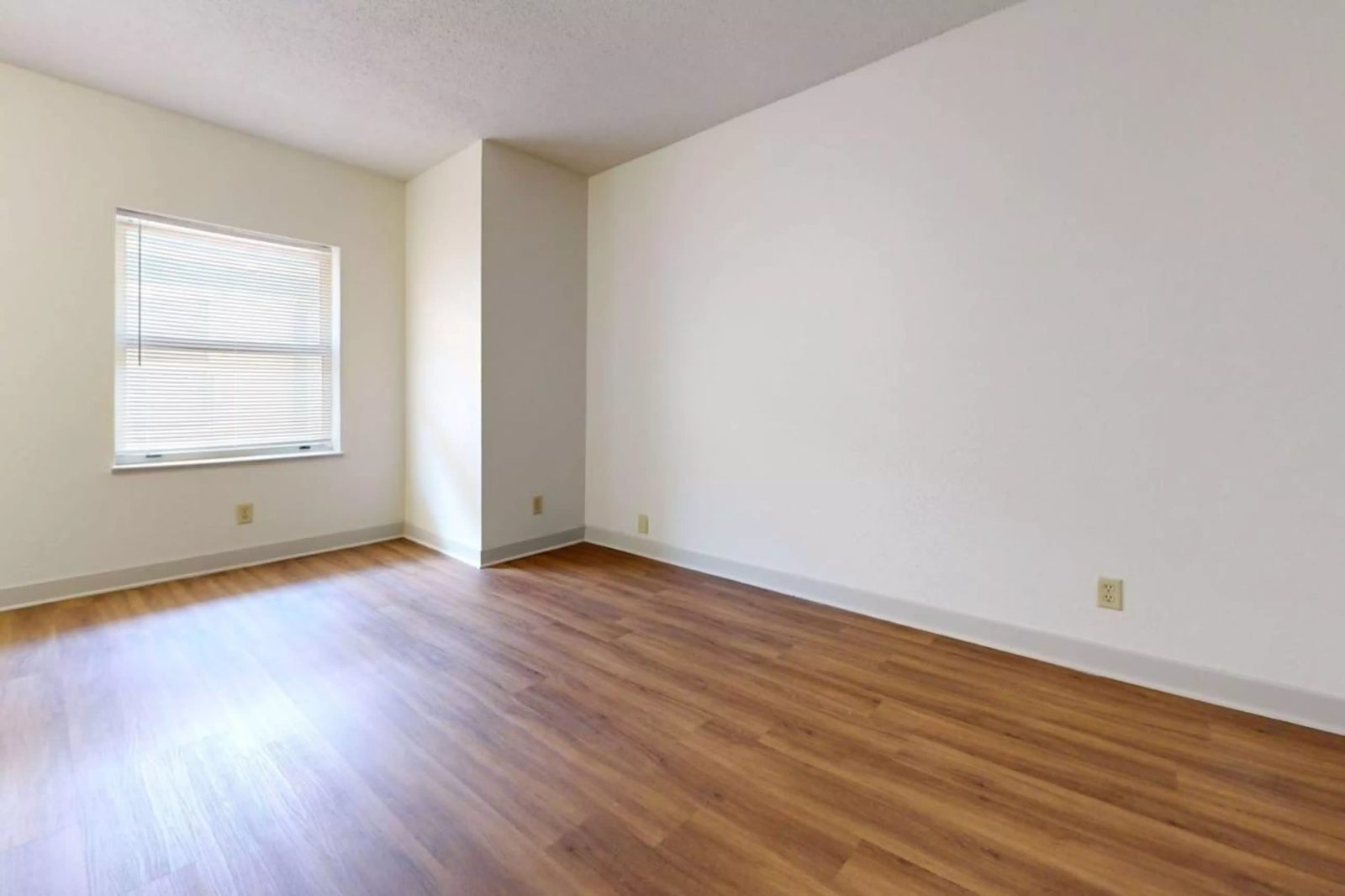
Step 1: Define your “core” area. If most of your classes are at Via Balbi, set a maximum walking time of 15 minutes as ideal, 20 minutes as acceptable. Mark on a map the districts: Centro Storico, Prè, Maddalena, Castelletto (hillside). Use Google Maps walking time from the address.
Step 2: Filter by budget. For a room, set a ceiling. In 2026 the typical room near campus costs €400–€500. If you need to stay under €350, you will likely have to accept a longer commute. Use online platforms (but avoid naming specific websites) and check “by owner” listings for price indications.
Step 3: Check transport connections. For properties beyond walking distance, verify that a bus or metro line stops within 200 metres. Use the AMT route planner. A flat line (no stairs) is beneficial because Genoa has many hills.
Step 4: Verify the contract and utilities. Ask if utilities are included or capped. Many shared apartments ask a flat fee; if not, calculate €50–€90 extra. Student dorms often include everything.
Step 5: Contact the operator. Before any payment, arrange a video call or visit. Confirm the actual walking distance to the university entrance. Read the contract for minimum stay (usually 12 months, but some offer monthly rolling for students).
Typical student residences near the university (private, often run by foundations or private companies) include:
- Campus Balbi area: Several dedicated student residences within a 10-minute walk. Expect single rooms with shared kitchen, at around €450–€550 per month (utilities often included). These residences may have short-term contracts (e.g., 6–12 months) and are popular among international students.
- DSU residency (scholarship-based): If you are eligible for a scholarship or free accommodation, apply through the regional office. Places are limited and assigned by ISEE.
- Principe district: Close to the train station, 5–10 minutes on foot to the university. More private apartments here than student halls. Rooms often cost €400–€480.
- Porto Antico area: Modern apartments but pricier (€500–€650 for a room). Walking distance 10–15 minutes; scenic but noisier due to tourism.
When shortlisting, give priority to properties that list the exact distance to the university’s main entrance, and verify that the landlord accepts temporary residence registration (residenza) if you need it for a permit of stay.
Frequently Asked Questions
1. How much does a room near University of Genoa cost in 2026–2027?
Rent for a single room in a shared apartment within a 15-minute walk ranges from €350 to €550 per month (indicative — confirm with the operator). A studio apartment starts at €600. Outskirts can be €280–€400. Utility costs add €50–€100.
2. Where should I start searching for accommodation?
Begin with official resources: the university’s housing office (if available), DSU Liguria for subsidised places, and reputable online platforms that let you filter by “Genoa” and “University of Genoa”. Always cross-check the exact address on Google Maps. Avoid paying deposits without a signed contract or a physical viewing.
3. Is it better to live in the historic centre or in a suburban area?
If your classes are at the main campus, living in the centre (Balbi, Prè, Maddalena) saves time and lets you walk. You pay €50–€150 more per month but skip transport costs and delays. If you have a strict budget, a suburb like San Fruttuoso or Albaro (15–25 min by bus) offers lower rent—just factor in the commute and a monthly transit pass (€30–€40 indicative). Consider also noise levels: the centre can be lively at night.
Data date: 2026. All prices mentioned are indicative and must be confirmed with the operator; market conditions may change. This guide is based on publicly available information and student reviews as of the date above.
See also: listing details · browse more