What Students Say About the Campus
The University of Galway sits on University Road, along the River Corrib. With a Google rating of 4.5 from 417 reviews, students and visitors frequently comment on the campus atmosphere. Inès says it is “very quiet and calm main building, almost as if nobody is around. Peaceful and kept clean - it is a wonderful spot to see if you are around this area. It has major Harry Potter energy and I recommend going for a stroll there just to enjoy the experience. The whole campus is big and beautiful.” Mary Naughton recalls studying there and still enjoys “the beautiful buildings and the surrounding areas.” Zindh Zareer describes it as “so beautiful … like studying at a HarryPotter inspired school.” Dariusz Prokopowicz, a frequent visitor, calls it “a truly exceptional, globally engaged university.” The consistent themes are the historic architecture, the riverside setting, and a peaceful environment. For prospective students, these reviews suggest the campus itself is a strong draw, but housing choices will determine how much you can enjoy that atmosphere day to day. Living close enough to walk means you can soak in the campus energy whenever you like, while a longer commute might take away from that experience.
Galway City: A Compact Student Hub
Galway is a mid-sized city on Ireland’s west coast, known for its music, festivals, and walkable core. The university is located on the east side of the city centre, just off University Road, within a 10–15 minute walk to Eyre Square and the main shopping streets. The River Corrib runs through the campus, and the nearby Claddagh and Salthill areas are popular with students. The city has a relatively small population (around 80,000), so most amenities — supermarkets, pubs, libraries — are concentrated in a compact area. Public transport consists mainly of buses, though many students rely on walking or cycling. For housing, the key factor is distance from campus: cheaper rents are typically found further out (e.g., Knocknacarra, Doughiska, or beyond), while premium rents are charged closer to the university and city centre. The city’s rental market is tight, especially for the academic year, so early searching is essential.
Budget Bands for Student Housing (2026–2027 Indicative)
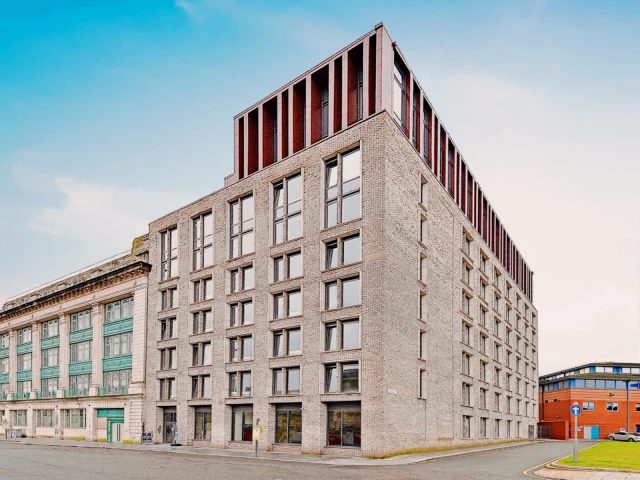
Rental prices in Galway vary significantly by property type and location. The figures below are indicative — confirm with the operator before committing.
Shared house (per person, per month) – indicative range: €450–€700
- A room in a shared house within 2–3 km of campus typically falls in this band. Houses in areas like Newcastle, Salthill, and Bohermore are common. Bills (electricity, heating, internet) are usually extra, so factor in an additional €50–€80 per month.
Studio or one-bedroom apartment (per month) – indicative range: €800–€1,300
- Studios close to the university (within 15 minutes’ walk) tend toward the upper end. Those a bit further out, such as in Renmore or along the Dublin Road, can be cheaper. Bills are often included in purpose-built student accommodation (PBSA), but check the contract.
Purpose-built student accommodation (PBSA) – indicative range: €500–€1,100 per month
- These are managed by private operators, usually offering en-suite rooms in clusters (4–8 people) or studios. Many are located on or near campus, such as Corrib Village, Dunlin, or St. Bridget’s (names are generic examples — confirm availability). PBSA typically includes all utilities, Wi-Fi, and contents insurance. Rent can be higher than a shared house, but the convenience and included services may save time and hassle.
Homestay (per month, including meals) – indicative range: €600–€900
- Living with a local family can be an option for younger students. Meals are often included, which can reduce other living costs. These are usually arranged through agents or the university’s accommodation office.
Note: All figures are indicative for the 2026/2027 academic year and should be verified directly with landlords or accommodation providers. Prices may change based on demand, contract length, and property condition.
Walk vs. Transit: Finding Your Trade-Off
Galway is a very walkable city — the campus is about 1–2 km from most central neighbourhoods. Students who live in Newcastle, Salthill, or the Westside can walk or cycle in 15–30 minutes. Those in Knocknacarra or Doughiska may need to take a bus (20–30 minutes) or drive (10–15 minutes). Buses run frequently on key routes (e.g., routes 401, 402, 404), but service frequency drops in the evenings and on weekends. Cycling is popular, and the city is flat, though weather can be rainy — a good raincoat is essential. The trade-off is clear: walking distance means higher rent but more time for study and social life; a longer commute means lower rent but extra time and transport costs (a monthly bus pass around €60–€80, indicative). For those on a tight budget, living a 30-minute walk away (e.g., near Terryland or Mervue) can save €100–€200 per month, but the walk or bus adds about an hour each day. Time is money, so weigh your priorities.
How to Shortlist Your Housing Options
When searching for housing near University of Galway, use the following logic to narrow down choices. This approach is based on typical student needs and the city’s layout.
Step 1: Define your budget and desired commute.
Write down your maximum monthly rent (including bills, if applicable) and the longest commute you are willing to accept (e.g., 15 minutes’ walk, 30 minutes’ bus). This will immediately filter out areas. For a 15-minute walk, focus on Newcastle, parts of Salthill (near the promenade), Shantalla, and the area around University Road. For a 20–30 minute bus ride, look at Knocknacarra, Doughiska, Ballymoneen, and Renmore.
Step 2: Decide on housing type.
- Shared house: cheaper, more space, but requires dealing with housemates and bills. Best for sociable students who don’t mind coordination.
- PBSA: more expensive, but all-inclusive, often with social events and closer to campus. Good for first-year students or those who value convenience.
- Studio: best for privacy, but priciest per person. Suitable for postgraduates or those who work from home.
Step 3: Check transport links.
If you choose a location outside walking distance, verify that a direct bus route stops near the campus or that the cycle route is safe and lit. Use Google Maps to check journey times during peak hours (8–10 am, 4–6 pm). Avoid areas with infrequent or unreliable services unless you have a car.
Step 4: Verify the rental offer.
Always request a contract in writing, confirm what is included (bills, internet, parking), and ask the operator or landlord about the rent for the 2026/2027 academic year. Use only platforms that list verified rental properties — never pay a deposit without viewing the accommodation or using a recognised service.
Step 5: Consider a trial period.
If you are unsure, look for short-term (1–3 months) rentals first, such as a summer sublet or a serviced apartment, while you search for a long-term place. This gives you time to explore different neighbourhoods before committing.
Frequently Asked Questions
1. What are the most affordable areas for student housing near University of Galway?
Areas such as Knocknacarra, Doughiska, Renmore, and Ballymoneen tend to have lower rents (indicative €450–€600 per month for a room in a shared house). These are 3–5 km from campus, requiring a bus or car. Closer areas like Newcastle, Salthill, and Westside are more expensive (€550–€750 per month for a room) but offer walking distance.
2. How far in advance should I start looking for accommodation for the 2026/2027 academic year?
Start your search at least 3–4 months before your move-in date, ideally by March or April 2026 for a September 2026 start. This is when many purpose-built student accommodation providers release their inventory. Private rentals may become available later, but demand peaks from June to August. Waiting until September can mean limited options and higher prices.
3. Is it better to live in purpose-built student accommodation or a shared house?
It depends on your priorities. PBSA offers convenience: all bills included, often with Wi-Fi, gym, study rooms, and social events. It also typically has fixed 12-month contracts. The downsides are higher rent (indicative €600–€1,100 per month) and less personal space than a shared house. A shared house can be cheaper (€450–€700 per month per person) and gives you more independence, but you must manage bills, deposits, and co-ordinate with housemates. If you value simplicity and socialising, PBSA may suit you; if you want lower costs and more privacy, a shared house is often a better fit.
Data last updated: January 2026.
See also: listing details · browse more