Housing Near University of Debrecen: A Practical Guide
Debrecen is Hungary’s second-largest city and home to the University of Debrecen, a research university with a 4.5/5 rating (from 814 Google reviews) and ranked 563rd globally in QS. While academic life is central, finding suitable housing requires understanding the campus location, local transport, and what past students have said about the area. This guide draws on real student reviews to help you make an informed decision for the 2026–2027 academic year.
What Campus Reviews Reveal
The University of Debrecen’s main building at Egyetem tér 1 is often praised for its architecture. Reviews highlight the campus grounds, the library, and the nearby park. However, some students mention limited social events for internationals, and one review raises serious concerns about treatment of Arab students.
Positive comments:
- “An amazing building, especially at night! It looks majestic, and they say the library inside it is awesome; I haven’t been there before. For any visitor to Debrecen, it’s 100% a must to come here and enjoy the place.” — Ahmad Maswadeh, 5 stars, 5 years ago
- “Nice grounds to walk. I liked the architecture of the main building and the lawn area. Lots of statues, rest areas, campus buildings, couple of cafes too. Large park nearby and a tram stop too.” — Joe Macpherson, 4 stars, 3 years ago
- “The uni is great everything is fine whatever your looking the uni offers the only issue I have with the uni is through out the year there is few events for international so it can be boring here but school is what matters most so no problem but that Is the issue I have with the uni apart from that I” — Joel maeja, 5 stars, 3 months ago
Critical comment:
- “one of the worst universities ever if you are an arab student, i can’t even express how awful this university is after my own year experience! to start things off, during my oral exam Professor Beata Lontay was extremely disrespectful towards me, to the point where she was denying my correct answers” — Hadeede Wao, 1 star, 2 months ago
These reviews indicate that while the physical campus is well-regarded, the social experience for international students can vary. When choosing housing, you may want to consider proximity to social hubs outside the university, such as the city centre (around Kossuth tér) or student-oriented areas like the Nagyerdő (Great Forest) district, where cafes and parks add to the daily experience.
City Context: Debrecen at a Glance
Debrecen is a compact city with a population of about 200,000. The university is located in the Nagyerdő area, a green part of the city that also houses the Aquaticum thermal baths and a large park. The city centre is roughly 2 km south of the main campus, reachable by tram (Line 1) or a 20–25 minute walk. Public transport (trams and buses) is frequent and affordable, with a monthly student pass costing around 3,000–3,500 HUF (indicative — confirm with the operator).
The city offers a mix of housing types: purpose-built student dormitories (mostly managed by the university or private operators), shared apartments, and private studios. International students often live in university dormitories like the Bolyai or Károlyi buildings, but these are limited and usually require early application. Private rentals are available through local agencies and online platforms.
Budget Bands (Indicative — Confirm with the Operator)
Rental costs in Debrecen are lower than in Budapest but vary by location and condition. For the 2026–2027 academic year, typical monthly ranges are:
- Tight budget (under 100,000 HUF / €250): Shared room in a university dormitory or an older shared apartment further from campus. Dormitory places cost from 35,000 to 60,000 HUF per month (indicative — confirm with the operator). Private shared apartments with two or three people can start around 70,000 HUF per person if located in less central areas like the southern part of the city.
- Medium budget (100,000–150,000 HUF / €250–€380): A private room in a well-maintained shared apartment or a small studio near the campus or city centre. Utilities and internet are usually included.
- Higher budget (150,000–200,000 HUF / €380–€500): A one-bedroom apartment or a modern studio in the Nagyerdő district, within a 10-minute walk of the university. Some units come furnished and with secure parking.
All prices are indicative — always confirm with the landlord or operator before signing a contract. Typical deposits in Debrecen equal one to two months’ rent.
Walk vs. Transit Trade-off
Walking: Living within the Nagyerdő area puts you within a 5–15 minute walk of the main campus, the library, and the nearby park. Many students choose the streets parallel to Egyetem tér (e.g., Móricz Zsigmond út, Kassai út). Walking eliminates transport costs and offers quick access to university facilities. The downside: this area is quieter, and you may need to walk 20–25 minutes to reach supermarkets, restaurants, or the city centre. Some students find the limited nightlife a drawback, as echoed in Joel maeja’s review: “there is few events for international so it can be boring here.”
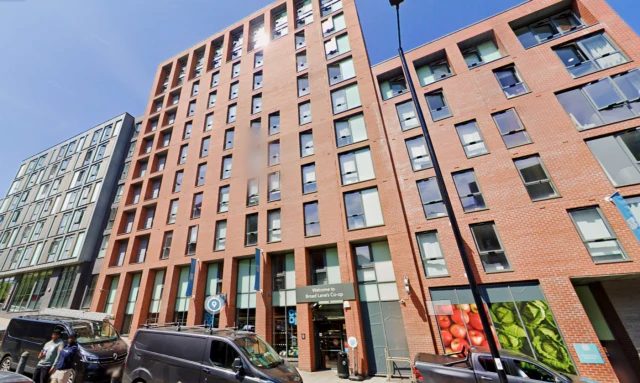
Transit: Living near the city centre (e.g., around Piac utca or Kossuth tér) gives you more access to shopping, dining, and social life. The tram ride to the university takes about 10–15 minutes, plus walking at both ends. A monthly student pass costs around 3,000–3,500 HUF (indicative — confirm with the operator). The trade-off: longer commute, reliance on schedules, and sometimes higher rent in the centre. However, the tram runs every few minutes during peak hours, so the inconvenience is moderate.
Verdict: If you value study convenience and a quiet environment, walk from Nagyerdő. If you want a livelier neighbourhood with more choices for groceries, cafés, and leisure, commute from the centre. The campus itself has a couple of cafés, as noted in Joe Macpherson’s review, but for a full range of shops you’ll need to head south.
Shortlist Logic Using Given Nearby Residences
The data provided for the University of Debrecen does not list specific nearby apartment buildings. When creating your shortlist, apply these filters:
- Distance to campus: Set a maximum walking distance of 20 minutes (about 1.5 km) if you prefer walking. Alternatively, ensure a tram stop is within 500 metres if you plan to commute.
- Budget alignment: Identify your band (tight, medium, higher) and search for places that match. For tight budgets, look for shared rooms in dormitories (apply early) or shared apartments south of the campus (around the bus terminal). For medium budgets, consider studios on Kassai út or Móricz Zsigmond út. For higher budgets, Nagyerdő villas or modern complexes near the Aquaticum.
- Reviews of the property: On any platform, read recent tenant reviews about landlord responsiveness, utility bills, noise, and safety. Ignore unverified or extremely old reviews.
- Contract terms: Check if bills (especially heating in winter) are included. Debrecen winters are cold (average January high 1°C), so heating costs can add 15,000–25,000 HUF per month (indicative — confirm with the operator). Ensure the contract specifies who pays for water, electricity, gas, and internet.
- Roommate matching: If sharing, use university notice boards or student Facebook groups to find compatible flatmates. The university’s international office may also provide a housing bulletin.
By applying this logic, you can narrow down to two or three options and then visit in person or via video call before committing.
Frequently Asked Questions
1. How early should I search for housing near University of Debrecen? Start at least three months before your course begins in September. University dormitory applications often open in April or May, with deadlines in June. For private rentals, the market moves quickly in August and September, so begin browsing in July. For a January start, look in October–November.
2. Is it better to live on campus (dormitory) or off campus? On-campus dormitories (e.g., Bolyai, Károlyi) offer lower rent (indicative — confirm with the operator) and immediate proximity to classes, but availability is limited and the social environment can feel quiet outside study hours, as mentioned in the reviews. Off-campus private rentals give you more independence, better access to the city centre, and often larger spaces, but require careful budgeting for utilities and a valid contract. Many international students start with a dormitory for the first semester, then move to a shared apartment once they know the city.
3. What is typical for utility costs in a private flat? For a 40 m² apartment, monthly utilities (electricity, water, gas, garbage, and internet) typically range from 25,000 to 45,000 HUF (indicative — confirm with the operator). In winter, gas heating can push the bill higher. Always ask the landlord for an average of the last year’s bills and confirm whether utilities are included in the rent or billed separately.
Last updated: January 2026. Prices are indicative — confirm with the operator before making a financial commitment.
See also: listing details · browse more