What the Campus Reviews Reveal
The Université Libre de Bruxelles (ULB) welcomes students with a campus that is both vast and lively. Its main site, the Solbosch campus on Avenue Franklin Roosevelt, mixes old stone buildings with modern glass-and-steel structures, creating an environment that feels academic yet urban. Student reviews paint a mixed but honest picture of daily life there.
One reviewer, David Sergey, attended a conference on campus and appreciated the setting: “Amazing venue for a conference, feels like back to uni.” His only complaint was about event logistics — “please sell more coffee!” — which hints at a practical issue students might face: finding decent places to grab a quick snack between classes. Another student, Anas ALASWAD, offered a blunt three-star review. He noted that the campus atmosphere did not inspire him to study: “you walk around and you could think about anything but not about education.” He also mentioned smell issues — “during the day the campus smell beer or weed, at night it smells good” — and gave a positive nod to the university restaurant, calling it “the best uni restaurant in Belgium.” This suggests that while the academic environment may be stimulating for some, the social scene can be distracting, and the olfactory experience varies through the day.
Edita Lenkauskaite gave a five-star review, describing “a very big camp with old and new buildings. Lots of students and events.” This matches the university’s reputation as a bustling hub with constant activities. Don Zion, a visiting parent, offered a balanced three-star view, praising the “diverse looking studentbody intermixing with eachother” and “nice common areas outside where students could hang out.” He made clear he wasn’t judging the education itself, but the campus surroundings looked pleasant for socialising.
What these reviews mean for a prospective tenant: if you are sensitive to noise, strong smells, or a party-focused atmosphere, you may want to look for housing away from the central student hubs such as the cafeteria and main plaza. On the other hand, if you enjoy being in the middle of the action, a short walk to campus will let you drop back into events easily. The variety of reviews also highlights the importance of visiting the area at different times of day before committing to a lease. The overall Google rating of 4.2 from 868 reviews indicates general satisfaction, but the range of experiences means personal preference should guide your choice of neighbourhood.
Brussels as a Student City
Brussels is an international city with three official languages (French, Dutch, German) and a huge community of expats and international students. ULB itself is a French-language university, but English is widely used, especially in master’s programmes and among the student body. The city is compact, and its public transport network — trams, buses, metro — is reliable and student-friendly. Many students cycle, and the city offers a shared bike system (Villo) that can be handy for short trips.
The student districts around ULB include Ixelles (Elsene), Etterbeek, and the European Quarter. These areas are packed with cafés, affordable eateries, grocery stores, and parks like Bois de la Cambre, which is a short walk from the Solbosch campus. Rents vary by distance and building type, but in general, the closer you are to ULB, the higher the demand — and the price. However, living a bit farther along a tram or metro line can reduce costs without adding much commute time.
Budget Bands for Student Housing (2026–2027)
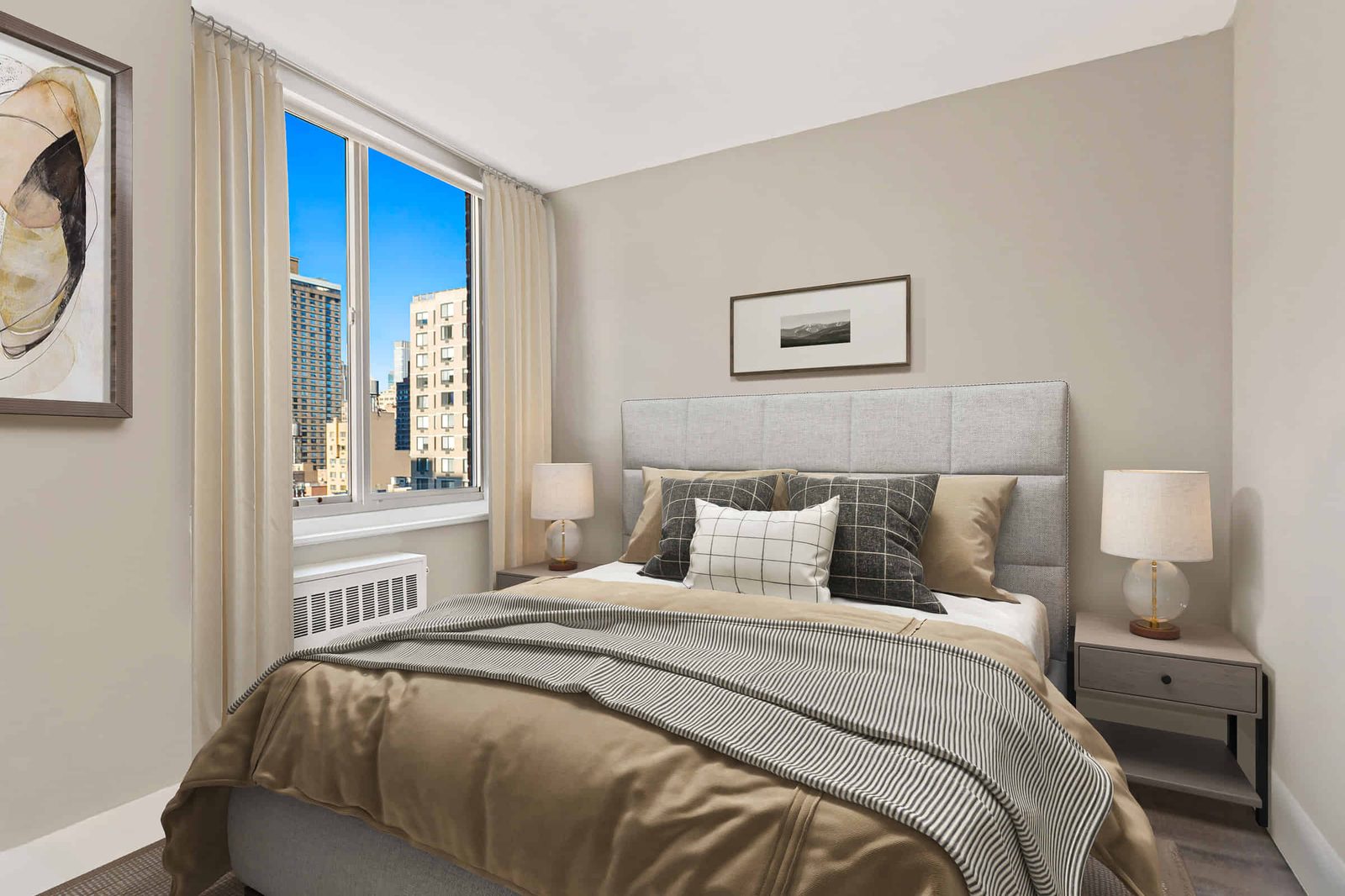
Housing near ULB spans a wide price range depending on whether you choose a private studio, a shared flat (colocation), or a residence with services. All figures below are indicative — confirm with the operator for exact current rates.
- Economy (€400–€600 per month) – A room in a shared apartment or house in less central neighbourhoods like Saint-Gilles, Forest, or further along metro line 5 (e.g., Herrmann-Debroux). You will share kitchen and bathroom with 2–4 other tenants. Utilities may or may not be included. Basic furnishing is common.
- Mid-range (€600–€850 per month) – A private studio or a larger room in a well-located colocation within walking distance of campus or along tram lines 7, 25, or 8. Many of these are in Ixelles, close to ULB. Bills often separate. Some buildings have laundry and bike storage.
- Premium (€850–€1,200+ per month) – New or renovated studios or one-bedroom apartments in the immediate campus vicinity (e.g., Avenue Franklin Roosevelt, Avenue de la Couronne). Also included: high-end residences with concierge, gym, and all-inclusive packages. These appeal to students who value convenience and don’t mind paying a premium for a ready-to-move-in solution.
Remember that deposits (typically one month’s rent) and administrative fees are additional. Always read the full contract before signing.
Walk vs. Transit Trade-off
ULB’s main buildings are clustered around the Solbosch campus, which lies between the Bois de la Cambre and the lively upper part of Ixelles. The area is well served by public transport:
- Tram lines 8, 7, and 25 run directly past or near the campus, connecting it to the city centre, the European institutions, and other universities.
- Bus lines 71 and 72 stop at the ULB bus station and head towards the centre and the Gare du Midi.
- Metro line 5 stops at Hermann-Debroux, about a 15-minute walk or a short tram ride from campus. That metro line runs every few minutes during peak times.
Walking is the most convenient option if you live within a 10–15 minute radius of the campus. You avoid transport costs (a monthly student pass for unlimited travel in the Brussels region was about €50 in recent years — confirm current pricing). You can go home between classes, and you are surrounded by student-friendly bars, takeaways, and libraries. The downside: rents in that immediate zone are among the highest in the student market, and the area can be noisy at night due to parties and street activity.
Transit opens up more affordable neighbourhoods. For example, living near the metro station Delta or the tram stop at the Cimetière d’Ixelles gives you a commute of 10–15 minutes to campus. You save on rent and may gain a quieter living environment. The trade-off is a monthly transport pass, slightly less spontaneous access to campus facilities, and the need to plan your schedule around tram/metro timetables. In rainy winter months, waiting for a tram can feel less appealing than a short walk.
Many ULB students split the difference: they live within a 20-minute walk or a 5-minute tram ride, balancing cost and convenience. A bike can also cut a 30-minute walk to 10 minutes, and bike parking is ample on campus.
Shortlist Logic – How to Choose Your Accommodation
When reviewing accommodation options near ULB, start with these five criteria:
- Campus proximity: If you have early morning classes or late lab sessions, a 5-minute walk is worth the extra rent. If you are okay with a 15-minute commute, you gain more options in the €550–€700 range.
- Public transport links: Check whether the tram or bus stop is within 300 metres of the flat and whether it runs frequently on weekends. Lines 7 and 8 are particularly reliable for reaching campus.
- Grocery & daily needs: Look for a neighbourhood with a supermarket, pharmacy, and a laundromat within walking distance. Ixelles and Etterbeek are well equipped; Saint-Gilles also has many shops.
- Noise and atmosphere: Read reviews of the building or street if available. The campus area can be lively (match with your preference). Some streets near the Bois de la Cambre are quieter.
- Contract terms: Ask about utilities caps, deposit return conditions, and whether rent includes internet. Some operators offer all-inclusive packages that simplify budgeting.
No single residence is right for everyone, but a structured approach helps you compare apples to apples. For instance, if your budget is €650, you could either get a small studio 25 minutes away by tram or a larger room in a shared flat 10 minutes away by foot. The choice depends on whether you value private space or a shorter commute.
Frequently Asked Questions (FAQ)
1. Is it better to live on campus or off-campus for ULB?
ULB does not operate a large on-campus housing system; most students live in private apartments or residences nearby. “On-campus” usually refers to housing within a 5–10 minute walk. Living very close to the Solbosch campus reduces commute time and allows you to join campus events easily, but rents are higher and the area can be noisy. Living slightly further in Ixelles or Etterbeek still means a 15–20 minute walk or a short tram ride, often at a lower rent. There is no clear “better” choice — it depends on your tolerance for commuting and your budget.
2. What is the typical rent for student housing near ULB?
For the 2026–2027 academic year, indicative monthly rents are:
- Shared room in a colocation: €400–€600
- Private studio: €600–€900
- Premium one-bedroom or residence: €850–€1,200+ Always confirm with the operator, as rates fluctuate and may include or exclude utilities.
3. How safe is the area around ULB for students?
The Solbosch campus and surrounding neighbourhoods (Ixelles, Etterbeek) are generally considered safe for students, especially during the day. As reported in reviews, some areas can feel rowdy at night, and theft from unlocked bikes is a known issue. Standard precautions — locking your door, not walking alone late at night through dark parks, and using well-lit streets — apply. The university itself has security services on campus. Parents like Don Zion noted a “diverse looking studentbody intermixing with eachother” and seemed comfortable. Overall, the area is comparable to other Western European university districts.
Data updated: January 2026. All figures are indicative — confirm with the operator before making any financial commitment.
See also: listing details · browse more