What Campus Reviews Reveal About Studying at Universität Ulm
Student reviews of Universität Ulm paint a mixed but informative picture for anyone looking for nearby housing. The university’s strength in STEM fields is widely acknowledged. One reviewer, Kuliki, wrote: “Really good university for your studies. And they are really good in STEM fields” (5 stars, 5 months ago). Lilian Garza added: “One of the best Uni’s in Germany for technology and science. Education is great (teachers area always willing to help) and research opportunities are always plentiful, especially because the Uni has a lot of contact with companies in the Ulm/Neu-Ulm area.” That reviewer noted the worst part was the administration (4 stars, 5 years ago).
On the other hand, some students found the experience lacking. Chris van der Merwe left after an English MSc degree because the programme was “terribly organised and class content after 1.5 semesters was still very spoon fed — it felt more like High School than a masters level program” (2 stars, 8 years ago). Another reviewer, Kinjal Dobariya, commented on the difficulty of navigating the campus clinical area: “there are no labels and signs on roads which can direct you where u can find what department except for parkings. So eveything was quite confusing” (3 stars, a year ago).
These reviews carry practical implications for housing choice. If the administration is confusing, living close enough to easily pop into campus offices becomes an advantage. The availability of research opportunities means students often need to be near labs or company collaboration spaces in the Ulm/Neu-Ulm area. Meanwhile, the complaint about disorganisation in one master’s programme suggests that being able to quickly visit supervisors or attend spontaneous meetings could help, even if the programme structure is not ideal. In short, the reviews underscore that convenience — both in terms of navigating buildings and accessing research partners — matters.
City Context: Ulm
Ulm is a mid-sized city in Baden-Württemberg, located on the Danube River with a population of around 120,000. It is famous as the birthplace of Albert Einstein and for its Gothic minster, which has the tallest church steeple in the world (161.5 metres). The university itself sits on the Oberer Eselsberg hill, about 4 kilometres northwest of the historic city centre.
The city has a strong industrial base with companies in automotive, medical technology, and information technology. This fits well with the university’s emphasis on science and engineering. Student life is relatively affordable compared to larger German cities like Stuttgart or Munich. The share of students among residents is high, giving Ulm a young vibe, especially in areas around the campus and the central station district.
Public transport consists of buses and trams. The main tram line (Linie 2) connects the university to the Hauptbahnhof (main station) and the city centre, running every 10 to 15 minutes during peak hours. Cycling is also popular because the campus is on a hill but the city has dedicated bike lanes and a well-maintained path network. Many students live in either the Oberer Eselsberg area itself, the neighbouring district of Eselsberg, or closer to the city centre around the Hauptbahnhof and the old town.
Budget Bands for Student Housing (2026 – Indicative)
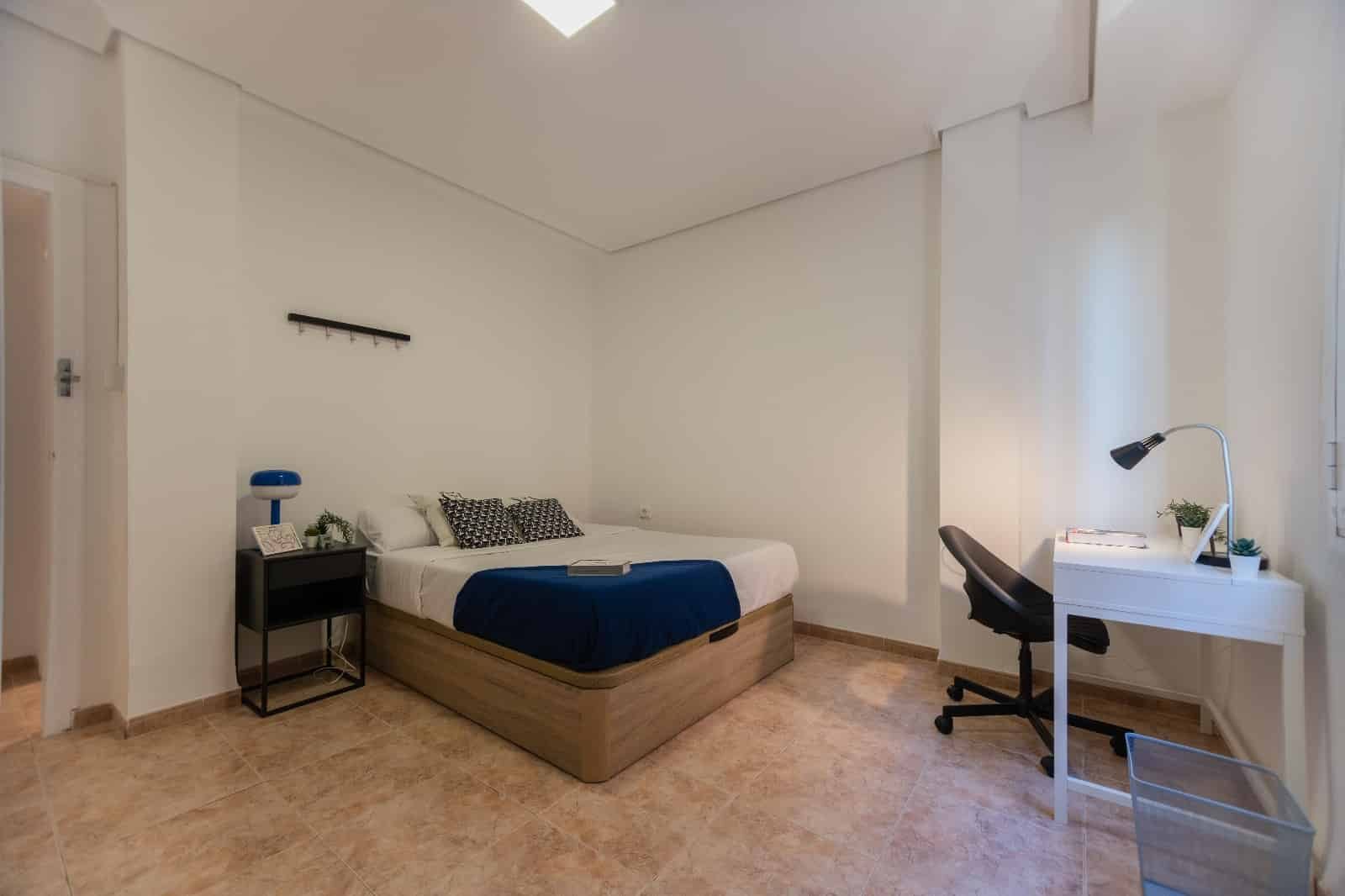
German student housing costs vary by type (shared flat, studio, or student dormitory) and by distance from campus. The following bands are based on typical market observations in Ulm. All amounts are indicative — confirm with the operator before committing.
- Shared flat (WG) room in a private apartment: €350 – €550 per month, including utilities (warm rent). Rooms further from campus (e.g., city centre) tend to be at the lower end.
- Studio or one-room apartment: €500 – €750 per month warm. Studios near the university are often scarce and command higher prices.
- Student dormitory room: €280 – €450 per month warm. These are offered by the local student services organisation but demand is high, and waiting times can be several months.
- Two- or three-room apartment shared with one or two flatmates: total rent €800 – €1,200 cold, plus utilities.
These prices are for 2026 and should be treated as a starting point. Rental costs have been rising moderately in Ulm, but the city remains one of the more affordable university locations in southern Germany.
Walk vs. Transit Trade-off
Walking Distance to Campus
Living on the Oberer Eselsberg hill means you can walk to most lecture halls, libraries, and the cafeteria in under 10 minutes. The main address of the university is Albert-Einstein-Allee 11, 89081 Ulm. The immediate area includes several student dormitories and apartment blocks. The advantage is convenience: no waiting for buses, no weather worries, and extra time each day for study or free time.
The downside: the hilltop is quiet. There are few shops, restaurants, or entertainment options. The nearest supermarkets are a 15–20 minute walk down the hill or a short bus ride. Social life revolves around the city centre or the university “Cafeteria” events. If you prefer a lively environment with cafés and bars, living on campus might feel isolated.
Using Public Transit
Most students who do not live on campus use the tram line 2 (Stadtbahn) or buses (lines 1, 3, 5, 6) that connect the Hauptbahnhof and the city centre to the university stop “Universität”. The journey from the main station to the campus takes about 12 minutes by tram. A semester ticket (included in the student fees) covers unlimited travel within the entire region of Ulm and Neu-Ulm, so you do not have to buy an extra transit pass.
The trade-off: a commute of 15–30 minutes each way is typical if you live in the city centre or in neighbouring districts like Söflingen or Böfingen. That adds about 5–10 hours per month to your schedule. On the plus side, your housing options are wider, and you are closer to groceries, nightlife, and the main train station for travel to other cities.
Many students choose to live within a 2-kilometre radius of the Hauptbahnhof because the tram ride is short and the area is well supplied with amenities. The budget bands overlap: a WG room in the city centre often costs the same as a smaller dorm room on campus, so you can pick based on lifestyle preference rather than pure expense.
Shortlist Logic for Choosing Accommodation Near Universität Ulm
When creating a shortlist of potential residences, consider these four factors:
-
Distance to your department – The university campus is spread across several buildings. Check where your lectures and labs are held. If most of your classes are in the N24 physics building or the O27 chemistry building, the exact walking route matters. Use the university’s building map to identify the closest entrance.
-
Transport connection – Even if you live near the tram line, check the frequency. The tram runs every 10 minutes during peak times but less often in the evening. A flat near a bus stop that runs only once an hour might be less convenient.
-
All-inclusive rent vs. cold rent – German rental listings often show a “Kaltmiete” (cold rent, no utilities) and then add “Nebenkosten” (heating, water, garbage). A warm rent (“Warmmiete”) includes these. Be sure to ask the operator for a total monthly cost. Internet and electricity are sometimes separate. Always get a written breakdown.
-
Contract duration – Students often need flexibility. Many private flats require a minimum contract of 12 months, while student dormitories offer semester-based contracts or even month-to-month after a certain period. If your study programme is shorter, look for “Zwischenmiete” (temporary sublet) or short-term rentals.
Suggested shortlisting steps
- Step 1: Decide your budget band. For example, if you want to pay no more than €500 warm, you will likely need to look at shared flats or dormitories.
- Step 2: Choose a radius. For a 10-minute walk to campus, filter for properties in Oberer Eselsberg. For a 15-minute tram ride, filter for properties within 1 km of any tram stop on line 2.
- Step 3: Check availability on the academic calendar. Many places become available in March/April and September/October. Apply early (at least two months before). If you cannot find a permanent flat, book a short-term room for the first month, then search in person.
- Step 4: Visit or video-call to see the condition. Do not rely solely on photos. Ask about noise insulation (important if near the main road) and the condition of kitchen appliances.
- Step 5: Read the lease carefully. In Germany, contracts often have a minimum notice period of three months. For student housing, try to negotiate a clause that allows you to leave earlier if you finish your studies.
Remember that many residences near a university are rented quickly. Set up alerts on housing platforms and be ready to respond within hours of a new listing. Always confirm prices directly with the operator, as they may differ from the online indication.
Frequently Asked Questions
Is it better to live on campus or in the city centre?
It depends on your priorities. Living on campus (Oberer Eselsberg) saves commuting time but offers fewer shops and restaurants. Living in the city centre gives you a livelier environment and better access to supermarkets, but you will need to rely on the tram. Both options have similar monthly rents in the same budget bands, so choose based on whether you value quiet study time or vibrant social life more.
How much should I budget for rent per month in 2026?
As a general indication, expect to pay between €350 and €550 for a room in a shared flat (warm), or between €280 and €450 for a student dormitory room. Private studios range from €500 to €750 warm. These are only indicative — confirm with the operator. The semester ticket is already covered by your student fees, so you do not need an extra transit budget within Ulm.
What should I check before signing a lease as an international student?
First, confirm whether the rent is warm or cold and ask about additional costs (electricity, internet, TV licence). Second, verify the minimum contract duration and notice period. Third, ask about the deposit (usually two or three months’ cold rent). Fourth, check if the room is fully furnished — many German flats come unfurnished, meaning no kitchen, lights, or even a stove. Finally, ask if you can register your address there (required for your residency registration). Always confirm details directly with the operator.
Data as of 2026.
See also: listing details · browse more