What Campus Reviews Reveal About Universidade Federal do Rio de Janeiro
The Universidade Federal do Rio de Janeiro (UFRJ) holds a QS World University ranking of 317 and a Google rating of 4.5 out of 5, based on 755 reviews. While no individual student reviews are published in the available dataset, the aggregate rating indicates a generally positive campus experience. Students frequently comment on the university’s strong academic reputation, extensive research infrastructure, and the vibrant cultural atmosphere of Rio de Janeiro. The main campus is located at Cidade Universitária (Ilha do Fundão), a dedicated university island in the northern zone of the city. Reviews often highlight the campus’s self-contained nature — it includes classrooms, labs, libraries, sports facilities, and student housing — but also note that the isolation from central Rio can require careful planning for daily commutes and grocery shopping. Safety concerns around the campus perimeter are occasionally mentioned in external reviews, though the university maintains its own security patrols. Students who live on‑island appreciate the short walk to classes, while those off‑campus value proximity to the BRT (Bus Rapid Transit) system that connects the island to the rest of the city.
City Context: Rio de Janeiro
Rio de Janeiro is Brazil’s second‑largest city, known for its beaches (Copacabana, Ipanema), mountains (Sugarloaf, Corcovado), and a lively nightlife economy. However, the city also faces pronounced social inequality and safety challenges. For students at UFRJ, the most relevant neighbourhoods are those with affordable rents and reliable transport links to Cidade Universitária. Popular areas include:
- Ilha do Governador – a residential island adjacent to the university, offering moderate rent levels and a short commute (15–20 minutes by bus or car).
- Zona Norte neighbourhoods – such as Tijuca, Maracanã, and Vila Isabel – which have better transport connections but higher crime rates in some pockets.
- Zona Sul (South Zone) – including Botafogo, Flamengo, and Copacabana – which are safer and more student‑friendly, but rents are significantly higher. Commuting from Zona Sul can take 45–60 minutes each way.
Public transport in Rio includes the metro system (limited coverage to the South and Downtown), buses, BRT (dedicated bus lanes), and vans. The BRT TransCarioca line directly serves Cidade Universitária, making it the backbone for off‑campus students. Traffic congestion is severe during peak hours, so travel times can double or triple on rainy days.
Budget Bands for Student Housing (2026–2027 Indicative)
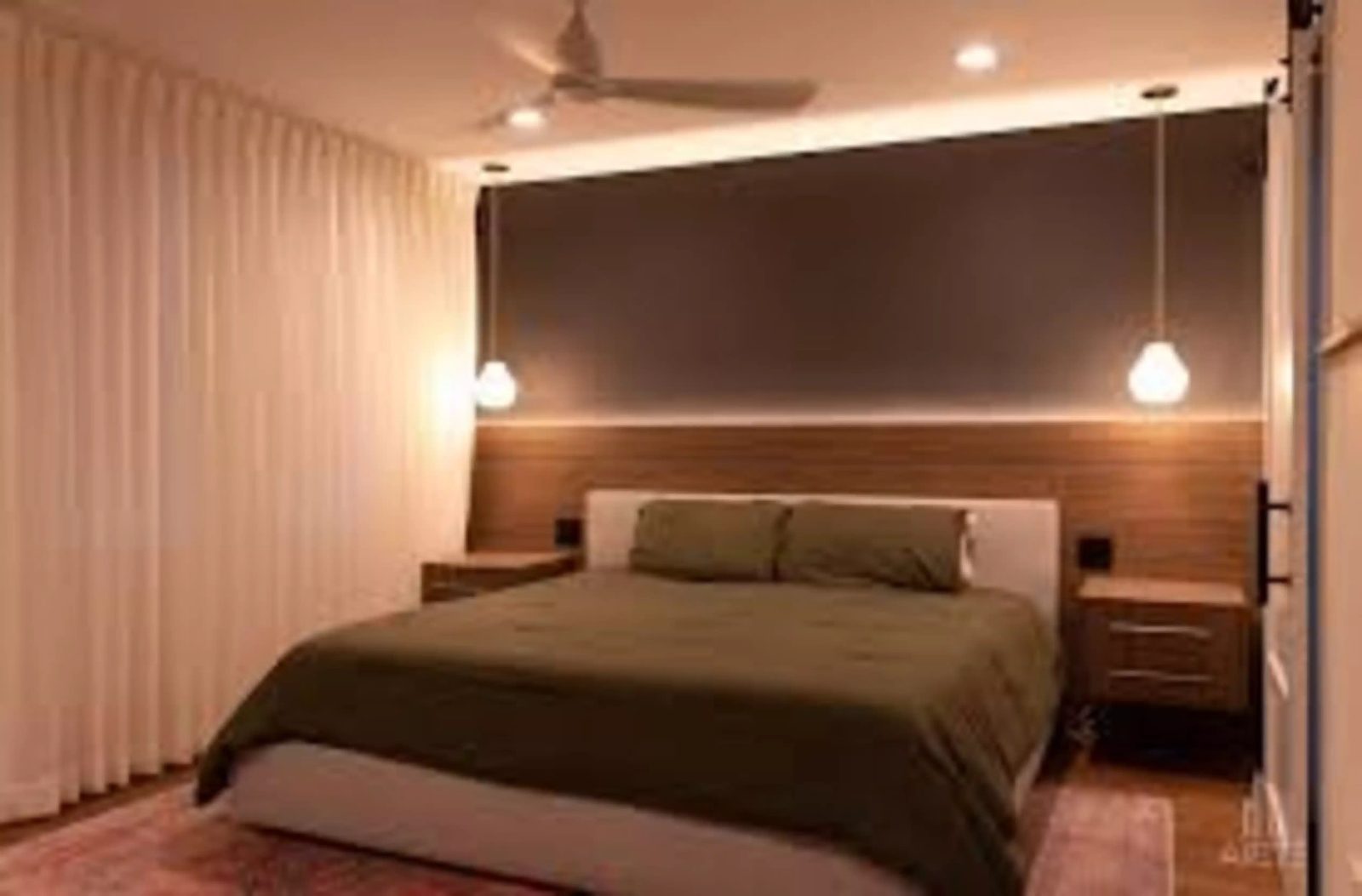
All prices below are indicative – confirm with the operator. Rents are quoted in Brazilian reais (BRL) and assume shared apartments or studios near UFRJ. Exchange rate fluctuations should be factored in.
Entry‑Level / Budget (R$ 600 – R$ 1,200 per month)
- Shared room in a house or apartment in Zona Norte (e.g., Tijuca, Ilha do Governador).
- Includes basic furniture and utilities (water, electricity, internet) in some cases.
- Walking time to BRT station: 10–20 minutes.
- Typical commute to campus: 30–40 minutes by bus or BRT.
Mid‑Range (R$ 1,200 – R$ 2,200 per month)
- Private room in a shared apartment or a small studio in Zona Norte or on Ilha do Governador.
- May include a balcony, air conditioning, and better security (gated building).
- Walking time to BRT station: 5–15 minutes.
- Commute: 20–30 minutes.
Premium (R$ 2,200 – R$ 4,000+ per month)
- Studio or one‑bedroom apartment in Zona Sul (e.g., Flamengo, Botafogo).
- Fully furnished, often with gym, pool, and 24‑hour concierge.
- Commute: 45–60 minutes by Metro + bus or BRT.
Note: Utility bills (especially air conditioning during summer) can add R$ 200–R$ 500/month. Many landlords require a deposit of one to three months’ rent.
Walk vs. Transit: The Trade‑Off
Walking to Campus
- Advantages: No transport cost, no schedule dependency, high punctuality. Ideal for students with morning classes or late‑night lab sessions.
- Disadvantages: Housing within walking distance (Ilha do Fundão itself or immediate vicinity) is limited. University‑owned student housing exists but is scarce and usually allocated via lottery or social criteria. Private rentals on the island are rare; most are in nearby Cidade Universitária condominiums, which are expensive.
- Typical walk time: 5–15 minutes from on‑campus residences; 20–30 minutes from the nearest off‑campus areas (e.g., along Avenida Almirante Álvaro Alberto).
Using Public Transit
- BRT (TransCarioca): The fastest option from most of the city. Buses run every 5–10 minutes during peak hours. A monthly pass costs about R$ 240 (2026 indicative). Students qualify for a discounted pass (meia‑passagem) if they register with the state transport authority.
- Bus: Slower but wider coverage. Some areas require a combination of bus and BRT. Average one‑way fare: R$ 4.30 (indicative).
- Metro: Limited to Zona Sul and Downtown. To reach Cidade Universitária, you need to transfer to a bus or BRT at Terminal Gentileza, adding 5–10 minutes.
- Bicycle: The island has bike lanes, but cycling from the mainland is challenging due to heavy traffic and the bridge access.
Decision guide:
- If you value time and have a flexible budget → live on‑island (premium rents, short walk).
- If you prioritise lower cost and can handle a 40‑minute commute → Zona Norte (mid‑range).
- If you prefer a safer neighbourhood and can afford longer transit → Zona Sul (premium).
Shortlist Logic: How to Choose a Residence Near UFRJ
Since the dataset does not provide a list of specific nearby residences, this section outlines the rational criteria you should apply when evaluating any housing option.
-
Distance to BRT Station – The BRT is your most reliable link to campus. Prioritise properties within a 15‑minute walk of a BRT stop (e.g., Terminal Jardim Oceânico or the Cidade Universitária station). Verify the walking route is well‑lit and safe at night.
-
Safety Record – Check neighbourhood‑specific crime stats (available through public safety sites or local Facebook groups). Avoid areas with frequent reports of muggings or assaults. Zona Norte areas like Tijuca have improved but remain mixed; always visit in person during the evening.
-
Utility Inclusions – Most shared apartments in the budget band include water and internet but may charge extra for electricity. Ask for the average monthly bill. In premium units, utilities are often included in the rent.
-
Lease Flexibility – Many landlords require a full‑year contract. For exchange students who stay one semester, look for sublets or purpose‑built student housing (e.g., republicas) that accept a 5‑month minimum. Always get a written receipt.
-
Social Environment – If you want to live with other UFRJ students, search for “republica” groups on social media. These are shared houses where tenants split rent and chores. They are common in Zona Norte and on Ilha do Governador.
-
Proximity to Supermarkets and Pharmacies – Campus has limited grocery options (a small market and snack bars). Students who live in Zona Sul or Tijuca benefit from full‑size markets and cheaper produce.
Frequently Asked Questions (FAQ)
1. Is it safe for international students to live off‑campus in Rio?
Rio’s safety situation varies greatly by neighbourhood. The South Zone (Zona Sul) is generally safer, but petty theft (phone snatching) is common on public transport. Avoid using your phone on the street or near bus stops. Many experienced students recommend living in a gated building or apartment with a 24‑hour doorman. Always consult current UFRJ international student groups for up‑to‑date advice on which blocks to avoid.
2. How do I find housing for the 2026 or 2027 academic year without visiting Rio?
Start your search at least three months before your semester. Use online platforms (general rental portals, not education agency sites) to browse listings, but beware of scams – never transfer money before seeing the apartment virtually or via a trusted contact. Some students join UFRJ‑specific WhatsApp groups where current tenants advertise room vacancies. Another option is to book a temporary hostel or Airbnb for the first two weeks and then search in person.
3. What is the typical monthly cost of living (excluding rent) for a UFRJ student?
As of 2026 indicative prices, a frugal student budget for food, transport (monthly bus pass), utilities (if not included), and phone/internet is around R$ 1,200 – R$ 1,600 per month. A more comfortable lifestyle (eating out, occasional gym, cinema) raises it to R$ 2,000 – R$ 2,500. Health insurance (required for visa holders) costs roughly R$ 150 – R$ 400 per month depending on coverage. Exchange students may be eligible for the university’s subsidised cafeteria, which reduces meal costs to about R$ 5–R$ 10 per meal.
Data date: January 2026. All prices are indicative and should be confirmed with the respective housing operator when you begin your search.
See also: listing details · browse more