Campus Reviews: What Students and Visitors Say
The Universidad de Sevilla occupies a landmark building – the 18th‑century Real Fábrica de Tabacos (Royal Tobacco Factory). Its Google rating of 4.3 from 1,961 reviews reflects a strong impression on both students and tourists.
One visitor, A A, gives 5 stars and notes: “Real Fábrica de Tabacos this is what was in this building in the past. Now Seville University is here and also members of the public can visit this place. Lovely patio, room with gypsum statues, toilets and canteen where it’s possible to buy probably cheapest food in the area. There’s cafe downstair.” The canteen and café are practical perks for students on a budget.
Another guest, Onbarefeet, rates it 3 stars but acknowledges: “History and Heritage at Universidad de Sevilla … The building is steeped in history, having once served as the Royal Tobacco Factory, where thousands of women, known as cig…” – the review points to the university’s unique atmosphere, though the moderate rating might reflect the challenge of studying inside a major tourist attraction.
Watermelon Lee gives 5 stars and calls it “a highlight for any traveler. Housed in the stunning 18th‑century Royal Tobacco Factory, it seamlessly blends academic life with Neoclassical grandeur. Wandering through its vast stone courtyards and ornate hallways feels like stepping back.” For students, this means a campus that is both inspiring and a draw for curious visitors.
Dale Deus, a tourist, simply says “Just a tourist here to take photos. A lovely uni.”
The reviews underline that the university is not a typical modern campus: it is a historic site where classes happen alongside sightseers. Students who value heritage and central location will appreciate it; those seeking a quiet, isolated study environment may need to use the library or off‑campus study spots.
Living in Seville: City Context and Student Life
Seville is the capital of Andalusia, known for its warm climate, flamenco, and orange‑tree‑lined streets. The city is walkable, bike‑friendly, and has a reliable metro and tram network. The Universidad de Sevilla is ranked 469th globally by QS, making it a mid‑tier but widely recognised institution for programmes in humanities, engineering, and social sciences.
Student life revolves around the historic centre, where the main campus sits, and the neighbourhoods of Triana, Macarena, and Nervión. Bars and tapas restaurants offer affordable dining; the city’s festivals (Semana Santa, Feria de Abril) add cultural richness. Housing demand is high in the centre due to tourism, so students often balance proximity with cost.
Budget Bands for Student Housing (2026–2027)
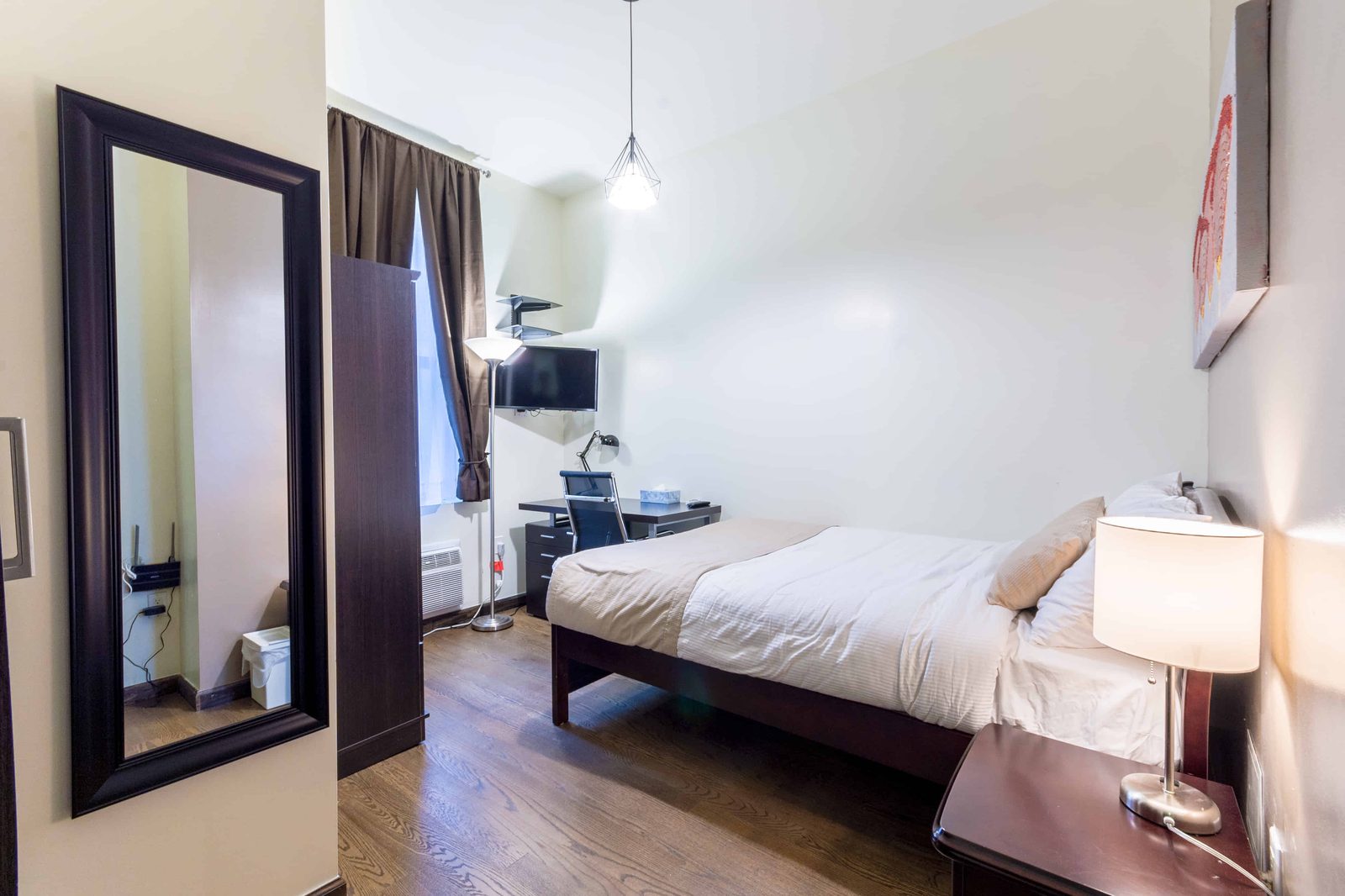
Below are typical monthly rental ranges for a student in Seville. All prices are indicative – confirm with the operator.
- Shared flat (habitación en piso compartido): €300–€450 per person. Most common option. Includes bills in many cases. Typically located in Triana, Macarena, or around Alameda de Hércules. A 15–25 minute walk or short bus ride to the university.
- Studio or one‑bedroom flat (piso individual): €550–€750. Offers privacy but higher cost. Often found in the historic centre (Casco Antiguo) or Nervión. Walking time under 15 minutes for centre units.
- Student residence (colegio mayor or private residence): €600–€900. Includes meals, cleaning, and utilities. Usually a single room in a building with common areas. Located near the university or in the Los Remedios district. Booking early for the 2026/27 academic year is recommended because spaces fill fast.
- Purpose‑built student accommodation (PBSA) – shared apartment: €500–€650 per person en suite room. All‑inclusive rents. Often a 10–20 minute walk from the main building. Amenities include gym, study rooms, and social events.
Note: The cheapest food on campus (mentioned in the review) can help offset a higher rent if you live closer, but the difference is small. Budget accordingly.
Walk vs Transit: Getting to the Universidad de Sevilla
The main university building is at C. San Fernando, 4, 41004 Sevilla, between the Alcázar and the Cathedral – the absolute heart of the tourist zone.
- Walking: Students living within the Casco Antiguo (Santa Cruz, El Arenal, Alfalfa) can reach the campus in 5–15 minutes on foot. This is the most convenient option, but rents are higher and tourist noise can be an issue in peak season.
- Bicycle: Seville has an extensive public bike system (SEVici) with stations all over the city. A 20‑minute ride from Triana or Macarena is typical. The city is flat, so cycling is popular.
- Metro: Line 1 runs from the outskirts (Ciudad Expo, Montequinto) to stops like Puerta de Jerez, a 5‑minute walk from the university. A monthly pass for students (Tarjeta Universitaria) is around €35 for unlimited trips within the city. This is a good option if you live farther out for cheaper rent.
- Bus and tram: Several bus lines cross the centre; the tram (MetroCentro) runs along the main avenue and stops at Plaza Nueva, a 5‑minute walk.
- Transit trade‑off: Living 3–4 km away (e.g., in Nervión, Los Remedios, or alongside the Guadalquivir) can lower rent by €100–€200 per month compared to the centre. A 20‑minute metro or bus ride each day is a reasonable exchange. For the 2026/27 year, check the Metro schedule as extended hours are common during exam periods.
How to Shortlist Nearby Residences: A Logical Approach
When selecting a place to live near the Universidad de Sevilla, follow these criteria – no physical list of specific residences is given here; rather, the logic helps you evaluate any property.
-
Distance to the main campus (C. San Fernando). Use Google Maps walking time from the address. Aim for under 30 minutes on foot or under 20 minutes by metro. Remember that the building is surrounded by narrow streets; some apartments may look close on a map but involve a circuitous route.
-
Noise level. The historic centre is lively day and night. If you need quiet for study, consider flats on upper floors, facing an interior patio, or moving one neighbourhood out (e.g., Alameda rather than Santa Cruz). Reviews of specific buildings on platforms like Google or housing portals will mention noise.
-
Included services. Many student residences include internet, electricity, water, and cleaning. Compare total monthly cost vs. a cheaper flat where you pay utilities separately. For a shared flat, add €50–€80 for bills.
-
Lease length. Most student contracts run September to June. Confirm whether summer months (July–August) are optional. Some residences require a full‑year contract.
-
Amenities. Does the property have a study room, laundry, or bike storage? Seville’s heat makes air conditioning a real plus from May to September. If not, check for ceiling fans or thick walls.
-
Transport connections. Look for a metro stop within 800 m or a bus stop within 400 m. The Tarjeta Universitaria discount for students (€35/month) makes transit affordable.
-
Safety. Seville’s centre is generally safe, but avoid very dark alleys at late hours. Ask current tenants about the area after midnight.
Use a spreadsheet to compare up to five options with these criteria. Visit in person if possible before signing, or request a video tour for the 2026/27 intake.
FAQ
Q: Is it easy to find housing in Seville for the 2026/27 academic year?
A: Housing is competitive, especially in the historic centre. Start your search 4–6 months before your course begins (January–March for September moves). Student residences often open booking a year in advance. For shared flats, platforms like Idealista and Fotocasa are widely used – but note that you should confirm directly with the landlord or operator. Prices are indicative – confirm with the operator.
Q: How much should I budget for living expenses besides rent?
A: A typical student spends €250–€350 per month on food, local transport, phone, and leisure. The campus canteen mentioned in reviews offers cheap meals (estimated €5–€8 for a full menu). Health insurance (if you are non‑EU) costs around €50–€80 per month via private providers. Total monthly cost (rent + expenses) for a budget‑conscious student is approximately €600–€900. For a more comfortable lifestyle with a solo flat and eating out regularly, budget €1,100–€1,400.
Q: Can visitors or tourists access the university building, and does that affect student life?
A: Yes, parts of the building are open to the public during daytime (patios, the gypsum statues room, and the café). This means some corridors and courtyards can be busy with visitors, especially in spring and autumn. Students use the main lecture halls and library which remain separate. If you prefer a quieter study environment, consider studying at the university’s other faculties (e.g., on the Reina Mercedes campus) or at public libraries in the city centre.
Data dates: All referenced pricing and review times refer to 2026–2027 academic year; indicative rents are based on 2025 market trends projected forward – confirm with the operator before committing.
See also: listing details · browse more