What Campus Reviews Tell Us
Ton Duc Thang University (TDTU) holds a global rank of 684 in the QS system and maintains a Google rating of 4.3 from 2,461 reviews. Student feedback consistently highlights three themes: modern facilities, cleanliness, and a strong research environment.
One reviewer, Jean Valjean, sums up the academic reputation: “TDTU is a reputable and well-respected university in Vietnam, with a strong emphasis on research and innovation. Its modern facilities and international partnerships make it an attractive choice for students seeking a high-quality education in a dynamic and globalized environment. I love my universi”. Another student, Trung Trần Thành, adds: “Ton Duc Thang University (TDTU) is a remarkable institution, known for its modern campus and excellent educational environment. The facilities are state-of-the-art, providing students with the tools they need to succeed academically and personally. Classrooms are equipped with the latest technology.”
The physical environment also gets praise. Binh Khoi Wong notes: “Nice place, everythings are clean, no trash, a lot of 🌲. xD recommend you to come here to have a look especially their library but remember to asked for a visitor card from the guards here, to be fair this is no playground. Students are friendly and i think most of them understand English pretty wel”. For sports enthusiasts, Johnny Marbles mentions: “Beautiful university with one of the best football field in the city. This is the place where the Saigon Premier League, a local soccer tournament, frequently held.”
These reviews indicate that TDTU offers a well-maintained, technology-equipped campus in a clean setting. For prospective students looking for housing nearby, the key is to prioritise areas that allow easy access to these facilities while balancing cost and convenience.
City Context: Ho Chi Minh City
TDTU is located at 19 Nguyễn Hữu Thọ, Phường Tân Hưng, District 7, Hồ Chí Minh City. District 7 is a relatively modern, planned area south of the city centre, known for its wider roads, newer apartment blocks, and the Phú Mỹ Hưng urban area. The university sits along Nguyễn Hữu Thọ, a major thoroughfare that connects to District 1 (central business district) and District 4.
Ho Chi Minh City is Vietnam’s largest metropolis, with a population exceeding 9 million. Housing options range from narrow alleyway rooms to high-rise serviced apartments. Rental prices vary significantly by district and property type. As of 2026, the city continues to experience urbanisation, with new residential projects concentrated in District 7, District 2 (Thu Duc City), and along the ring roads.
For TDTU students, the most practical neighbourhoods are within District 7 itself, parts of District 4 (closer to the university), and District 1 (if budget allows and commute time is acceptable). Public transport is dominated by motorbikes, but bus routes and the new metro line (Line 1, operational from 2025) provide alternatives. The area around TDTU also has a growing number of cycling paths.
Budget Bands (indicative — confirm with the operator)
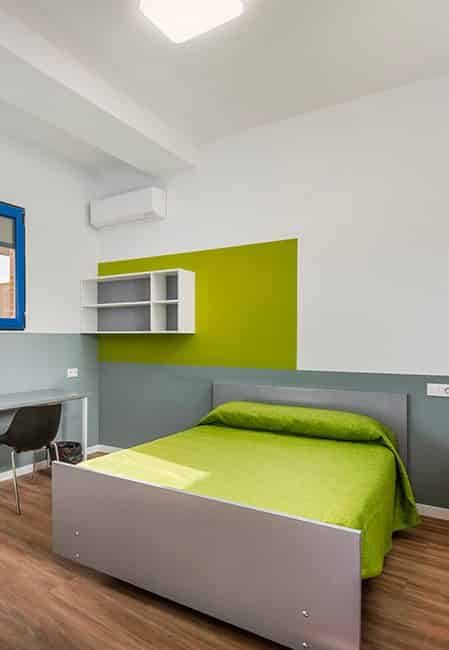
All rents below are typical monthly figures for 2026. They are indicative only — always confirm directly with the landlord or operator.
Band 1: Budget (under 5 million VND per month)
- Shared rooms or small private rooms in older buildings, often located in alleyways (hẻm) within 2–3 km of campus.
- Typically include basic furniture, shared bathroom, and a fan or air conditioner.
- Suitable for students willing to walk or take short bus rides.
Band 2: Mid-range (5–10 million VND per month)
- Private studio or one-bedroom apartments in newer buildings, especially in the Phú Mỹ Hưng area or along Nguyễn Hữu Thọ.
- Often include air conditioning, a private bathroom, kitchenette, and security. Some may have a pool or gym.
- Walking distance to TDTU (under 20 minutes) or a quick bus ride.
Band 3: Upper-mid (10–18 million VND per month)
- Larger one-bedroom or two-bedroom apartments in serviced residences with amenities.
- Located in central District 1 or the more luxurious parts of District 7 (e.g., near Crescent Mall).
- Commute by bus or motorcycle taxi (Grab) around 15–25 minutes.
Band 4: Premium (above 18 million VND per month)
- High-end serviced apartments, often with full facilities (pool, gym, concierge).
- Popular with international students or those on expat packages.
- Walking distance to the university is less common; most are in District 1 or Thu Duc City, requiring a longer commute.
Walk vs Transit Trade-off
Walking to TDTU is most practical for students who find accommodation within a 1–2 km radius of the campus. The immediate neighbourhood (Tân Hưng ward) is fairly pedestrian-friendly for Vietnamese standards, with sidewalks along Nguyễn Hữu Thọ. However, crossing major intersections can be challenging during peak hours. Many students prefer to walk 10–15 minutes to reach the gate, avoiding traffic and saving money.
For those living further out, public transit options include:
-
Buses: Several routes serve the university area. The most frequent is bus number 68 (connecting District 1 to District 7) and bus number 150 (along Nguyễn Hữu Thọ). Fares are about 7,000 VND per ride (indicative). Buses run from around 5:00 AM to 8:30 PM. Travel time from District 1 to TDTU is roughly 30–45 minutes depending on traffic.
-
Motorcycle taxis (Grab, Xe Ôm): Fast and flexible, costing 15,000–40,000 VND per short trip (indicative). Ideal for the last mile or when carrying groceries.
-
Metro Line 1: The nearest station is Tân Cảng (District 2), about 5 km from TDTU. From there you can take a bus or motorbike taxi to campus. The metro runs from 5:00 AM to 11:00 PM with a frequency of 5–10 minutes. A single trip is around 12,000–20,000 VND (indicative). This option suits students living near a metro station, but it requires a transfer.
Trade-off: Walking saves money and avoids waiting, but limits housing choices to a small radius. Transit expands the search area considerably, especially along the Nguyễn Hữu Thọ corridor or near the metro line. The best compromise is to live within a 20-minute walk and use a motorbike or Grab for occasional trips.
Shortlist Logic
When creating a shortlist of potential residences near TDTU, consider the following steps:
- Define your budget (choose a band from above).
- Decide on walk distance: If you prefer walking, search for properties within 1 km of 19 Nguyễn Hữu Thọ. Use Google Maps to measure walking time.
- Consider the neighbourhood:
- Tân Hưng ward: Quiet, residential, many small apartment buildings. Close to the university.
- Phú Mỹ Hưng (southwest of campus): Planned community with wider streets, supermarkets, parks. Rent tends to be mid-to-upper band.
- District 4 (north of campus): Older area, more local life, lower rent in Band 1–2. Walking time 20–30 minutes or a short bus ride.
- District 1 (central): Vibrant but expensive. Commute by bus or motorbike 20–40 minutes.
- Check for amenities: Look for proximity to a grocery store, laundry, and reliable internet — especially if you plan to study from home.
- Visit in person: Photos can be misleading. Walk the route to campus during peak hours to judge traffic and noise.
- Ask about contracts: Many landlords require a 6-month or 12-month lease. Some serviced apartments accept monthly stays. Confirm prices, deposit (usually one month), and whether utilities are included.
Since specific nearby residence names are not provided in the data, the shortlist logic above relies on general geography and typical rental patterns. Students are advised to visit the area and talk to current tenants before committing.
FAQ
1. How far should I live from Ton Duc Thang University if I want to walk?
A comfortable walking distance is under 20 minutes (roughly 1.5 km). The immediate Tân Hưng ward offers the most walking-friendly options. Beyond that, consider a short bus or motorcycle taxi ride. In the hot and rainy seasons, air-conditioned buses are a reliable alternative.
2. What is the average rent for a private studio near TDTU in 2026?
For a studio within walking distance to campus, expect to pay around 6–10 million VND per month (indicative — confirm with the operator). Lower-priced studios may be older or further away. Always check whether the rent includes water, electricity, and internet, as these can add up to 1–2 million VND monthly.
3. Is it safe to live near the university area?
District 7 is considered one of the safer districts in Ho Chi Minh City. The area near Nguyễn Hữu Thọ has good street lighting and security guards at many apartment buildings. As always, exercise common sense: lock your doors, avoid walking alone late at night in alleyways, and keep valuables out of sight. The campus itself has a security checkpoint where visitors must register.
Last updated: March 2026
See also: listing details · browse more