Campus Reviews: What Students Say About HKUST
The Hong Kong University of Science and Technology (HKUST) sits on a hillside in Clear Water Bay, a location that attracts strong reactions from students. The 4.3-star rating from 520 Google reviews points to a generally positive experience, but the comments reveal specific patterns that matter for housing decisions.
One reviewer, mathisha yapa, gave a 5-star rating and wrote: “One of the most beautiful universes I have visited in Asia Very spacious and well maintained The view from the uni to sai Kung side is amazing One of the most amazing sceneries pfor a university.” The word “universe” appears to be a phonetic slip for “university,” but the enthusiasm for the campus aesthetics is clear. The view toward Sai Kung, a coastal area east of the campus, is a recurring highlight.
Another 5-star review by Rahman Ud DIN adds an emotional layer: “My home University, where I spent 4 yrs of my life and gave me the prestigious PhD title. Everything of this University in my life are and will be missed. I use to visit HKUST most frequently cox of the strong triple covalent bond 😁😘.” This comment suggests a strong sense of attachment, but also hints that the reviewer no longer lives on campus. For prospective students, this underscores the importance of finding housing that feels like a home, not just a place to sleep.
A more measured 4-star review from Joey focuses on the academic load: “Went on an exchange here, can’t speak for most but I had a positive experience here. Food is great for dining hall standards. Workload wise, it is especially heavy during summer. I had a 4 hour lecture, followed by a 1 hour tutorial 3x a week. For summer school students, activities are offered every.” The review cuts off, but the message is clear: if you plan to take summer courses, the timetable can be intense. This directly affects housing — a long commute becomes less tolerable when you are sitting through four-hour lectures three times a week.
A 3-star review from Ü provides a more neutral take: “The Hong Kong University of Science and Technology as known as HKUST is in Clear Water Bay. It can be very windy since it is very spacious and as many of you know, you can see the beautiful sea view from the campus. The campus is not directly reached by the MTR but there are minibuses and stations j.” The wind and sea view are part of the daily experience, but the lack of direct MTR access is a critical point for anyone considering off-campus housing. Minibuses become the primary link to public transit.
Takeaway for housing: campus beauty and sea views are real, but so is the need to plan for a commute that involves buses or minibuses rather than a direct train. The workload, especially in summer, makes a short commute more valuable than a panoramic view from a distant flat.
City Context: Clear Water Bay and Hong Kong’s Eastern New Territories
Clear Water Bay is a coastal area in the Sai Kung District of Hong Kong. It is not a dense urban centre — it is known for hiking trails, beaches, and low-rise residential villas. The HKUST campus occupies a peninsula, with water on three sides. Public MTR (Mass Transit Railway) does not reach the campus. The nearest MTR station is Choi Hung on the Kwun Tong Line, approximately 15–20 minutes away by minibus (route 11 or 91M). Alternatively, Tseung Kwan O station on the Tseung Kwan O Line is reachable via minibus 12 or 112M, but that trip also takes about 15–20 minutes depending on traffic.
The student population at HKUST is around 10,000 undergraduates and 5,000 postgraduates. On-campus residential halls exist but spaces are limited, especially for non-local students. Many students end up renting in areas such as Tseung Kwan O (a new town with shopping malls and MTR access), Sai Kung town (quieter, beach vibes), or Kowloon East (Diamond Hill, Choi Hung). Each option offers a different balance of cost, commute time, and living environment.
Because the campus is isolated, housing decisions are less about neighbourhood charm and more about time and money trade-offs. The campus is self-contained: libraries, canteens, sports facilities, and a supermarket all exist within the grounds. Students who live on campus rarely need to leave. Those who live off-campus face a commute that is manageable but not walkable from any mass housing estate.
Budget Bands: What to Expect (Indicative Ranges)
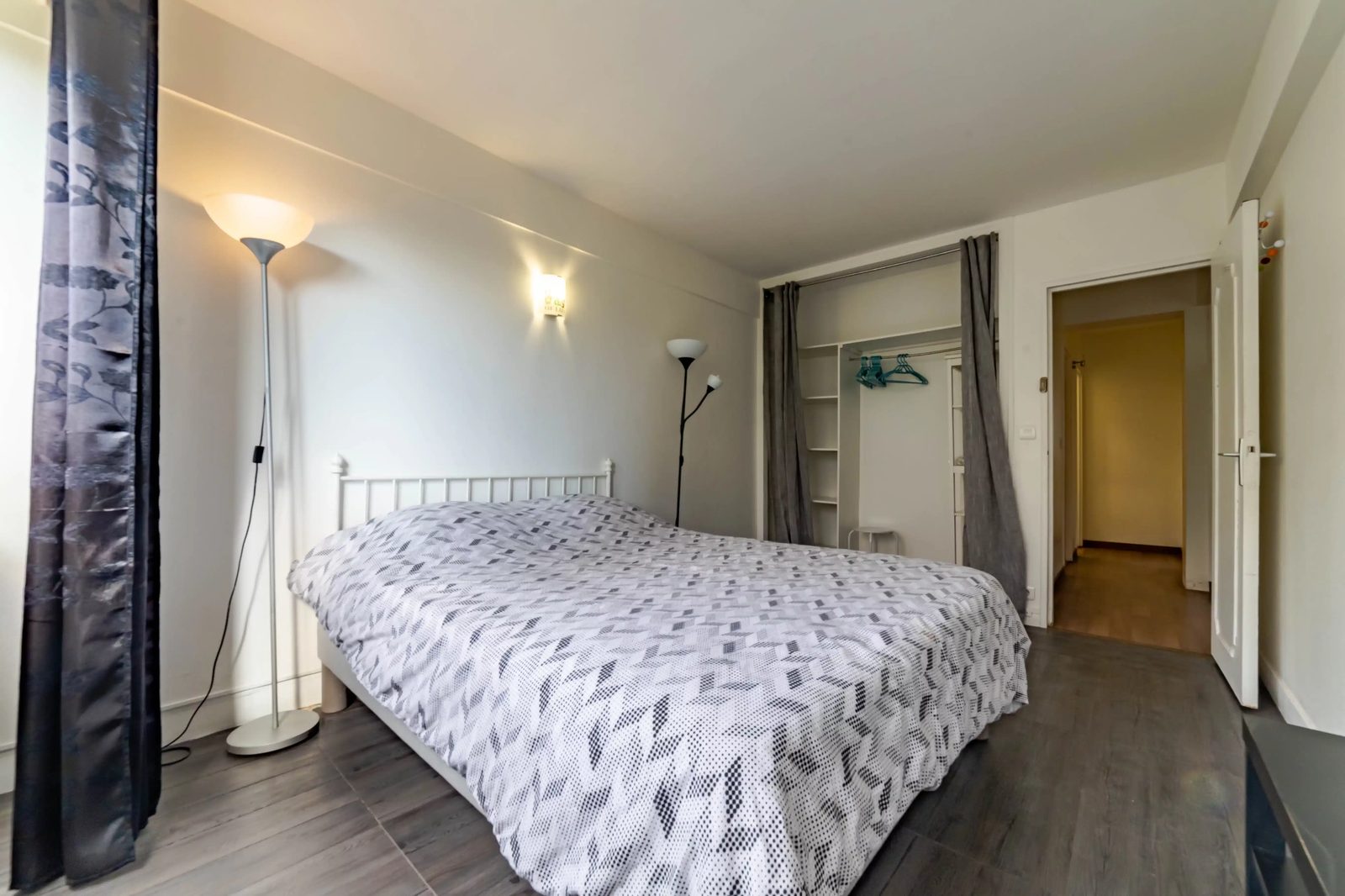
No specific rental figures were provided in the data for this article. However, based on Hong Kong’s general student housing market, the following indicative bands can serve as a starting point. All prices are indicative — confirm with the operator before making any commitment.
2026–2027 year, indicative monthly rent ranges (Hong Kong dollars, HKD):
- Budget (under HKD 5,000): Shared rooms or hostel-style beds in older buildings. Typically available in Tseung Kwan O subdivided flats or Sai Kung village houses. Confirm the legal status and contract terms with the operator.
- Mid-range (HKD 5,000–8,000): Private room in a shared apartment, often in Tseung Kwan O (newer housing estates) or Choi Hung (older walk-up flats). Many students split a 2- or 3-bedroom flat.
- Upper range (HKD 8,000–12,000): Studio or one-bedroom flat in Tseung Kwan O or near the MTR. Also possible in Sai Kung village houses with sea views, but commute may be longer.
- Premium (above HKD 12,000): Serviced apartments or standalone flats close to campus (e.g., staff quarters or private villa). Not common for students due to high cost.
These bands are general reference only. Actual rents fluctuate with contract length, season, and included utilities. Always request a written breakdown of fees.
Walk vs Transit Trade-off: Living On vs Off Campus
The walkable zone around HKUST is extremely limited. The immediate vicinity of the campus consists of university buildings, a few uphill roads, and greenery. You cannot walk from the campus to any significant shopping area or MTR station in less than 30 minutes. The campus itself is large — walking from the bus drop-off point to some lecture theatres may take 10 minutes uphill.
On-campus housing (residential halls) eliminates commute time entirely. Resident students can roll out of bed 15 minutes before class. The trade-off is availability: halls are allocated based on academic performance, extracurricular points, and lottery systems. International students may have some guaranteed spots for the first year, but not always for subsequent years. On-campus rents are typically lower than off-market rates, but the halls have rules (curfew, visitor policies) that may not suit everyone.
Off-campus housing requires a transit plan. The two main strategies:
- Tseung Kwan O (TKO) area: This is the most popular off-campus choice for HKUST students. TKO has a modern MTR station (Tseung Kwan O line) and multiple bus routes to campus. Travel time by minibus to campus is 12–20 minutes, depending on traffic. The area has shopping malls, supermarkets, and a wet market. Flats tend to be in high-rise private estates (e.g., Metro City, Nan Fung Plaza) with 24-hour security. Rent is higher than older areas but lower than Kowloon Tong.
- Choi Hung / Diamond Hill: These are older Kowloon neighbourhoods with more affordable rent and direct minibus (route 11) to campus. Travel time is 20–30 minutes. The housing stock is older (walk-up buildings), but MTR access to other parts of Hong Kong is easier than from TKO. If you plan to work or socialise outside campus, living near an MTR station gives more flexibility.
- Sai Kung town: Quieter and more scenic, but the commute to campus is 25–40 minutes by bus (route 792M) or minibus. Village houses offer larger space per dollar, but connectivity is poor. Suitable if you value nature over convenience.
Walkability score: Zero for most of Clear Water Bay. The only practical walkable destination is the campus itself. If you choose off-campus housing, expect to rely on minibuses or buses. The campus operates a shuttle bus for students during peak hours, but capacity may be limited.
Shortlist Logic: How to Choose Your Housing
Given the lack of a specific residence list in the provided data, the following logic applies to any housing search near HKUST. Use these criteria to evaluate options you find through operators or listings.
Step 1: Define your maximum commute time in minutes from door to seat in a lecture hall.
- Under 20 minutes: consider on-campus halls or a flat in TKO (e.g., along Po Lam Road).
- 20–30 minutes: TKO estates near the MTR, or Choi Hung vicinity.
- Over 30 minutes: Sai Kung village houses or Kowloon Bay. Only choose this if you have few classes or a non-traditional schedule.
Step 2: Decide your need for MTR connectivity.
- If you plan to leave campus often (internships, shopping, nightlife), choose a flat within walking distance of an MTR station. TKO MTR gives access to the entire network in under 45 minutes. Choi Hung station is also on the Kwun Tong Line, convenient for Kowloon and Hong Kong Island.
- If you rarely leave campus, location relative to the MTR matters less. The campus minibus network is sufficient for grocery runs to TKO.
Step 3: Assess contract flexibility.
- On-campus halls normally require a full-semester contract. Off-campus private rentals may offer 6-month or 12-month leases. Some platforms allow subletting. If you are an exchange student for one term, look for short-term housing operators who accept 4- to 5-month contracts. Confirm with the operator whether early termination is possible.
Step 4: Compare utility and facility costs.
- Many off-campus flats do not include electricity, water, or internet. Hong Kong electricity tariffs can be high in summer due to air conditioning. Ask the operator for an estimated monthly utility bill before signing.
- On-campus rents usually include utilities and internet. If you have a limited budget, the transparent pricing of on-campus halls may be easier to manage.
Step 5: Read the contract in full and verify the operator’s credentials.
- Hong Kong housing scams exist, especially for student tenants who are not familiar with local laws. If the operator demands a large deposit (more than 2 months’ rent) or asks for cash without a written receipt, reconsider. All prices mentioned in this article are indicative — confirm with the operator and obtain a written tenancy agreement.
FAQ: Quick Answers for Housing Near HKUST
1. How far is the campus from the nearest MTR station?
The campus is not directly served by MTR. The nearest MTR stations are Choi Hung (Kwun Tong Line) and Tseung Kwan O (Tseung Kwan O Line), each about 15–20 minutes away by minibus. Some buses run directly from the campus to these stations.
2. Is it possible to walk to campus from off-campus housing?
Only if you live in a villa within the university’s immediate vicinity, which is rare and expensive. Almost all off-campus students rely on minibuses, buses, or the campus shuttle. Walking from Clear Water Bay village or TKO estates is impractical (30 minutes or more uphill).
3. What is the average rent for a room near HKUST for the 2026–2027 year?
Rent varies widely. A shared room in TKO may cost HKD 4,500–6,000 per month (indicative — confirm with the operator). A private studio in a newer estate ranges from HKD 8,000–11,000. On-campus hall fees are lower but availability is limited. Always verify exact prices with the housing operator, as rates change annually.
Data as of 2026. Prices and availability are subject to change. Confirm all details with the housing operator before committing to any contract.
See also: listing details · browse more