What Campus Reviews Reveal about TU Berlin
Current student and visitor reviews on Google (rating 4.1 out of 5 across 1049 reviews) paint a mixed but largely positive picture of Technische Universität Berlin. The campus is praised for its academic strength, especially in engineering and the sciences, while some practical concerns about infrastructure emerge.
One five-star reviewer, Ralf-D. Kutsche, described a lecture in space research as “brilliant” and noted “an extremely interesting speech about space telescopes, the main forces in the universe like gravitation, weak and strong nuclear forces, about the dark m…” – the quality of guest lectures is clearly a highlight. Ahmed Basha, who completed a Master’s in Computer Science at TU Berlin, rated the institution five stars and wrote: “I can confidently say that this institution stands out as one of the premier technical universities in Europe. The cutting-edge curriculum, combined with a faculty deeply passionate about their field, provided an…” This reflects a strong academic reputation.
However, not all feedback is purely glowing. Neda Sadoughi-Nejad gave four stars and acknowledged that “Germany offers you a free education unlike the UK. So the TU is excellent in that regard.” But she also pointed out issues: “there are issues with the general condition on the building. It would appear that tax payers money is being diverted by German politicians to fund warfare rather than keep their own country in order.” This comment highlights a recurring theme among some students: the buildings can feel dated, and maintenance may not always match the quality of teaching.
Another five-star review from fawaz thazhatheri praised the “impressive neoclassical structure” on campus, describing it as “a symbol of Germany’s historical commitment to science, engineering, and higher education.” This suggests that the main building itself has architectural character, but individual facilities may vary.
Overall, the reviews suggest that TU Berlin delivers a strong education, especially in STEM fields, and benefits from the affordable (often tuition-free) German system. The main trade-off for students can be the physical condition of some buildings, which is worth factoring in when deciding where to live – older campus buildings may have less modern amenities, so choosing housing that provides a comfortable study environment might be important.
Berlin as a Student City: Context and Costs
Berlin is one of Europe’s most vibrant student destinations, offering rich cultural life, a relatively low cost of living compared to other major European capitals, and a huge rental market. The city is divided into districts, each with its own character. TU Berlin’s main address is Straße des 17. Juni 135, 10623 Berlin, located in the Charlottenburg district, close to the Tiergarten park and the Zoologischer Garten area.
Student housing in Berlin ranges from purpose-built student residences (often managed by student services or private operators) to shared flats (Wohngemeinschaften, or WGs) and individual apartments. The market is competitive, especially at the start of each semester, but the wide variety of neighbourhoods means there are options at different price points.
The city is well served by public transport: U-Bahn, S-Bahn, buses, and trams connect almost every part of Berlin. Many students choose to live in districts like Charlottenburg, Wilmersdorf, Moabit, Wedding, Neukölln, or Kreuzberg. The university itself is easily reachable from most central and western areas.
Budget Bands for Student Housing
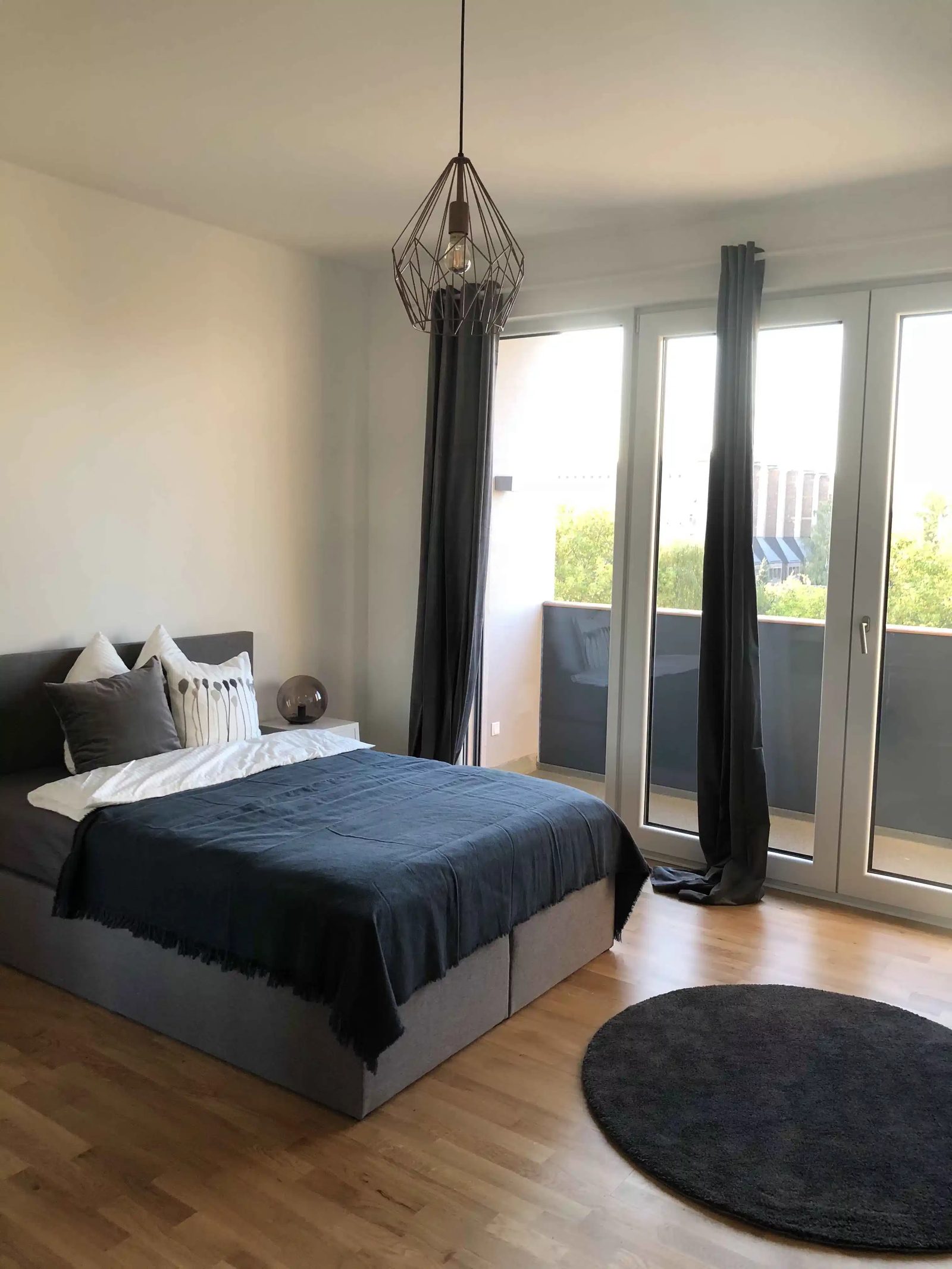
When planning your housing budget for the 2026–2027 academic year, it helps to think in broad bands. All figures below are indicative – confirm with the operator.
- Up to €500 per month – This typically covers a room in a shared flat (WG) in a less central district, or a very basic single room in a student residence. Expect to share kitchen and bathroom. Examples of areas where such prices may be found include Wedding, Moabit, or parts of Neukölln.
- €500 to €700 per month – In this range you can often find a larger WG room in a central district, or a private studio (Einzimmerwohnung) in a moderately central location. Some student residences also fall into this band, especially if they include utilities.
- Above €700 per month – This opens up private studios or one-bedroom apartments close to campus, or high-quality shared flats in desirable areas like Charlottenburg or Mitte. It may also cover premium student accommodation with amenities such as gyms or study lounges.
The lowest indicative price starting point from available listings is €440 per month. That figure is typical for a basic room in a shared flat or a budget student hall. Always verify the exact rent, deposit, and any additional costs with the operator before committing.
Walk vs Transit Trade-Off
Choosing between living within walking distance of TU Berlin and relying on public transport involves weighing convenience against cost.
Walking distance (roughly 0–2 km from campus): The immediate neighbourhoods of Charlottenburg, parts of Wilmersdorf, and the area around Ernst-Reuter-Platz are within a 15–20 minute walk from the main building. The advantage is clear: no daily transport costs, no waiting for buses or trains, and you can easily pop home between lectures. The downside is that rents in these areas tend to be higher – expect to pay a premium for a short commute. Many students find that walking saves time and stress, but it often means spending a larger share of their budget on rent.
Public transport–dependent (2–5 km or more): Districts like Moabit, Wedding, Neukölln, Kreuzberg, or even Friedrichshain are well connected to TU Berlin by U-Bahn (especially lines U2 and U9) or S-Bahn. A commute of 20–30 minutes each way is common. The trade-off: you can find lower rents, sometimes significantly below the central area. A monthly public transport ticket (Semesterticket) is included in the student fees for most German universities, so once you are enrolled, travel within the city becomes essentially free after the initial semester contribution. That makes living further out more affordable overall.
The best choice depends on your schedule and priorities. If you have early morning classes or value a relaxed morning routine, prioritise walking distance. If you prefer a larger room or lower rent, and don’t mind a 25-minute U-Bahn ride, a slightly more distant location can work well. Many students compromise by living near a direct transit line that stops close to campus.
Shortlist Logic: Five Nearby Residence Examples
While every student’s needs differ, a logical way to shortlist housing near TU Berlin is to consider location relative to campus, price band, and whether you want a flat share, student residence, or private studio. The following five examples (names as commonly listed) illustrate typical options:
- Nazarethkirchstraße 51 – Located in the Wedding district, this residence is a short U-Bahn ride from TU Berlin. Wedding is known for relatively affordable rents and a diverse, lively atmosphere. This option suits students who want lower rent and don’t mind a 15–20 minute public transport commute.
- HAB 10557 – A student hall in the 10557 postal code area, which covers parts of Mitte and Tiergarten. This is very close to the university – within walking or easy cycling distance. Expect higher rent but maximum convenience. Ideal if your budget allows and you prioritise location.
- UNP 10557 – Another residence in the same postal code. Similar to HAB 10557, it offers proximity to campus and the central Tiergarten area. Check whether it is a private or public hall; prices may vary accordingly.
- Friedrichstrasse 63 – Located on one of Berlin’s most famous streets in the Mitte district. This is a central, well-connected address with excellent access to public transport and many shops, cafes, and cultural venues. The campus is a short bus or U-Bahn ride away. This option works well for students who want to be in the heart of the city.
- Hohenzollerndamm 58 – This address sits in the Wilmersdorf district, slightly south-west of the main campus. It is a quiet residential area, still walkable to TU Berlin (about 25–30 minutes on foot) or a short bus ride. Rents here are often moderate, balancing location with cost.
Shortlist logic: Start by determining your maximum walking distance. If you want to walk, focus on residences in 10557 or Hohenzollerndamm. If you prefer lower rent and transit, Nazarethkirchstraße 51 is a strong candidate. Friedrichstrasse 63 offers centrality but higher rent. Always confirm availability, exact price, contract terms, and whether the operator requires a deposit or guarantor. Prices are indicative – confirm with the operator.
Frequently Asked Questions
1. Is it cheaper to live in a shared flat or a student residence near TU Berlin?
Shared flats (WGs) can be cheaper than private studios, but student residences often include utilities and sometimes furniture. Prices for both start around €440 per month indicative. Compare the total monthly cost including heating, electricity, and internet. Residences may have fixed contracts, while shared flats offer more flexibility. Confirm with the operator your specific costs.
2. How far is the university from central Berlin?
TU Berlin’s main campus is on Straße des 17. Juni, very close to the Tiergarten, Zoologischer Garten, and the district of Charlottenburg. It is considered central – a 10–15 minute walk to the western city centre (Kurfürstendamm) and about 20 minutes by U-Bahn to Alexanderplatz. Most student housing options within the city will be within 30 minutes of the campus by public transport.
3. What should I consider when choosing between walking and public transit?
Walking saves time and daily transport costs, but typically means higher rent. Public transit (covered by the semester ticket after enrolment) allows you to live in cheaper areas further out. Estimate your weekly commute time and multiply by your hourly value of time. Also factor in late-night class schedules – if you stay late on campus, a long transit ride through less busy areas may be less convenient. Many students find a balance by living within 2–3 km and using a bicycle in addition to transit.
Data as of 2026. All prices indicative – confirm with the operator.
See also: listing details · browse more