What Campus Reviews Reveal
The Technical University of Denmark (DTU) holds a QS World University Ranking of 107 and a Google rating of 4.7 from 604 reviews. The campus in Kongens Lyngby, about 15 km north of Copenhagen, receives consistent praise for its scale, modernity, and collaborative atmosphere. Several reviewers highlight the practical, applied nature of the university.
Jimin’s Jam described the campus in a 5-star review: “It’s a huge campus. There is at least one Netto and gym. The people there are really nice. It’s all very futuristic and new.” This comment points to the self-contained environment – a supermarket and fitness centre are available on site, reducing the need to leave campus for daily errands.
An alumnus, Kimo Karini, returned after 31 years and wrote: “I finished my Masters in DTU May 1995 and yesterday June 11 I was there for lunch in the student buffet… even after 31 year may memories are still fresh of huge DTU and there mega plans to focus on educational purposes for green traditions, human science and digitalisin our communities.” The mention of “green traditions” aligns with Denmark’s broader sustainability focus, which also influences housing options – many student accommodations in the area are newly built with energy-efficient standards.
Dariusz Prokopowicz offered a professional perspective: “DTU in Kongens Lyngby is widely revered in my professional circle as a ‘powerhouse of applied brilliance,’ where the sheer intensity of engineering innovation feels palpable from the moment you step onto the campus.” This suggests that students and visiting professionals alike experience a focused, innovation-driven atmosphere, which may influence how you prioritise study space and proximity to labs.
Ferenc Fodor, a former MSc student, noted: “I have spent 3 memorable years at this university for my MSc. Truly an amazing experience, both for studying and beyond.” The emphasis on “beyond” implies that social life and the surrounding area matter – which is where housing choice becomes critical.
City Context: Lyngby and the Greater Copenhagen Area
DTU’s address is Anker Engelunds Vej 1, Bygning 101A, 2800 Lundtofte, Denmark. Lundtofte is a district within Kongens Lyngby municipality. Lyngby itself is a well-connected suburban centre with shopping streets, parks, and the Lyngby Lake. The university campus sits slightly outside the town centre, surrounded by green areas and research facilities.
For housing, you are choosing between living in Lyngby proper, in the surrounding suburbs (e.g., Virum, Søborg, or Hørsholm), or in Copenhagen city centre. Each option has distinct trade-offs in cost, travel time, and lifestyle. Public transport in the region is efficient: S-tog (suburban trains) and buses connect Lyngby to Copenhagen’s central station in about 20–30 minutes. Bicycles are extremely common – many students cycle from Lyngby station to campus (approximately 3 km) or from nearby neighbourhoods.
The Danish housing market for students is regulated but competitive. Most international students rely on DTU’s own housing office, local housing associations, or private rentals. It is advisable to apply for accommodation as early as possible (often 6 months before the semester starts).
Budget Bands for Student Housing (Indicative – Confirm with the Operator)
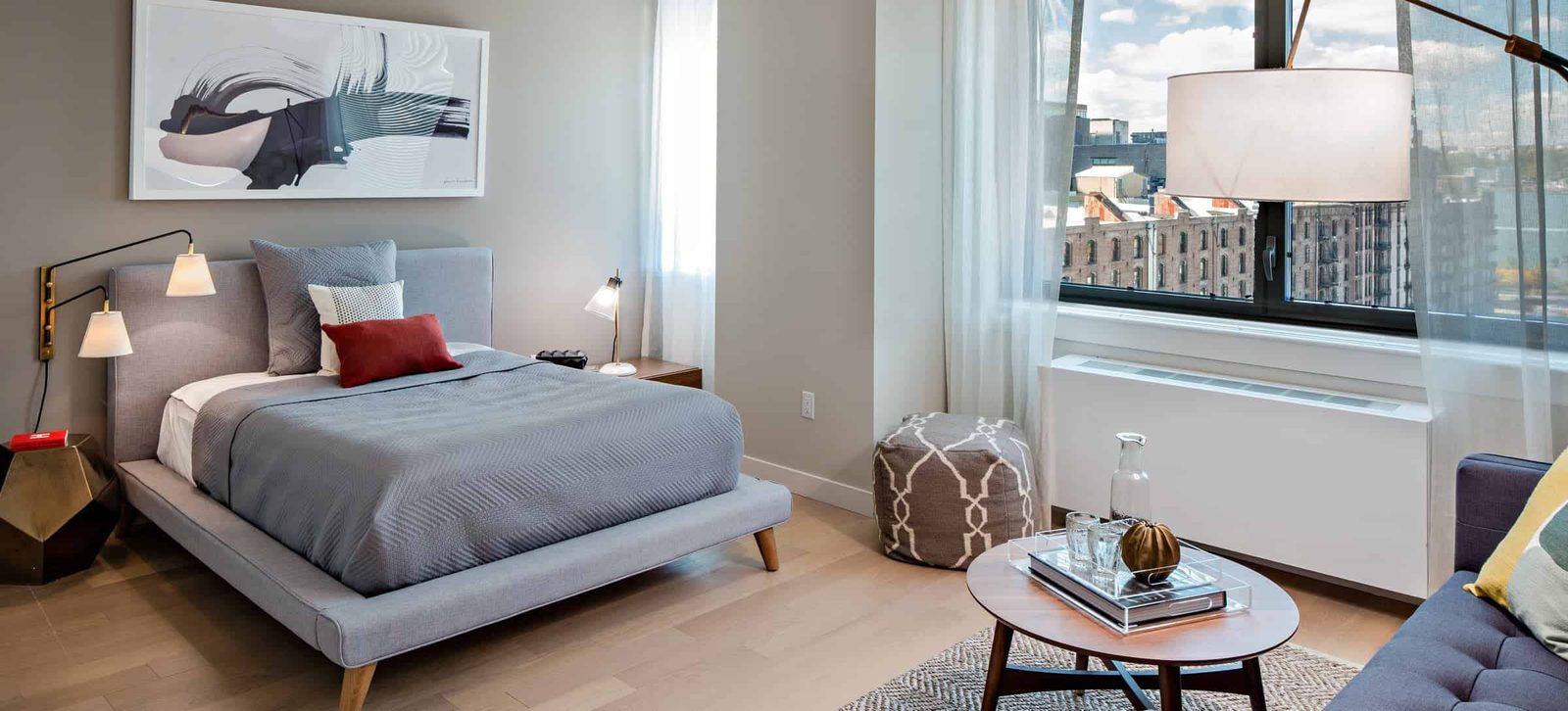
Typical monthly rents for a single student room or studio near DTU in 2026 fall into these bands. All figures are indicative; exact prices depend on size, location, and amenities. Confirm with the landlord or housing operator before signing.
-
Budget band – shared room or basic dormitory (DKK 3,500 – 5,000 per month)
Smallest rooms in older student dormitories or shared flats. Often include a shared kitchen and bathroom. Examples: DTU’s own “Kollegium” (dormitory) rooms in Lyngby. Utility bills may be included. -
Mid-range – single room in a shared apartment or modern kollegium (DKK 5,000 – 7,000 per month)
Newer student housing complexes with private rooms and shared kitchen/living areas. Some include a private bathroom. Examples: housing at DTU’s “Building 101” area or private student housing like “Lyngby Kollegiet”. -
Premium – studio or one-bedroom apartment (DKK 7,000 – 10,000+ per month)
Self-contained studios with kitchenette and bathroom. More common in newer developments such as “DTU Science Park Residence” or in central Lyngby. Higher cost for proximity to both campus and town facilities.
Note that deposits are typically equal to 3 months’ rent, and the Danish rental market often requires a bank guarantee or upfront payment.
Walk vs Transit Trade-Off
The campus is large – reviewers mention its sheer size, so the location of your accommodation relative to your main lecture buildings matters. Here are the key considerations:
-
Walking distance to campus (0–2 km)
Time: 5–20 minutes on foot or by bike.
Pros: No need for public transport; easy access to campus facilities, library, and labs. Accommodation in the immediate vicinity (e.g., “DTU Kollegiet” or private rooms near the Rovsingsgade entrance) is ideal for students with early labs or late study sessions.
Cons: The area immediately around campus is mostly institutional and residential – fewer shops, restaurants, or nightlife compared to Lyngby centre. Prices may be higher due to convenience. -
Biking distance (2–5 km, e.g., Lyngby town or Virum)
Time: 10–20 minutes by bike.
Pros: You gain access to Lyngby’s main street with supermarkets, cafés, and the station. Biking is the most common student transport method in Denmark. Rent can be slightly lower than on-campus options.
Cons: You own a bike and maintain it (winter maintenance required). Road cycling infrastructure is good, but some routes are hilly. -
Transit-distant (5–15 km, e.g., central Copenhagen or suburbs like Hillerød)
Time: 20–40 minutes by train or bus plus bike/walk to station.
Pros: Access to the full cultural and social offer of Copenhagen. Some students prefer living in the city and commuting for classes.
Cons: Higher rent in Copenhagen (especially in areas like Nørrebro or Østerbro). Monthly public transport pass (Rejsekort or monthly zone card) costs around DKK 700–1,200. Commuting time cuts into study and free time.
For most DTU students, the sweet spot is living within a 15-minute bike ride from campus (around 4–5 km). This gives you a balanced lifestyle: you can reach campus quickly, yet be near shops and train connections.
Shortlist Logic for Choosing Housing Near DTU
Without a specific dataset of nearby residences, the following logic helps you evaluate any listing you find. Use it as a checklist when scanning housing portals or DTU’s internal database.
-
Confirm the actual distance to your department
DTU’s campus spans several buildings – some are closer to the Lundtofte side, others near the main entrance. Use a map to see which building your lectures are in. Avoid assuming “DTU campus” means one single point. -
Check for included utilities
Danish winter is cold (average -1°C in January). Heating and hot water costs can add DKK 500–1,000 per month if not included. Many student dormitories include utilities in the rent; private studios often do not. -
Look at the contract type
Student housing associations (e.g., “Lyngby-Taarbæk Ungdomsbolig”) offer fixed-term contracts for up to 2 years with the possibility of renewal. Private rentals may require a 12-month minimum. Short-term sublets are common among exchange students. -
Visit or video call if possible
Photos can misrepresent room size, natural light, and noise levels. Request a virtual tour or ask a current student to check the place. DTU’s student Facebook groups often have rooms being sublet, and you can ask for honest feedback. -
Consider shared versus solo living
Shared apartments are cheaper and help with social integration – especially if you are new to Denmark. Solitary studios offer more quiet and independence, which some master’s students prefer for thesis writing. -
Factor in the deposit and moving costs
Deposits are typically 3 months’ rent. Some landlords require a Danish bank account or a guarantee from a Danish resident. Plan your finances accordingly.
FAQ
1. When should I start looking for housing near DTU?
University housing applications usually open in March for September entry and in October for February entry. Private rentals can be searched up to three months before your move-in date, but demand is high. For 2026 semesters, it is prudent to begin researching and applying at least 5–6 months ahead. Check DTU’s official accommodation website (the university’s own housing office) for priority deadlines.
2. Is it better to live in Lyngby or in Copenhagen and commute to DTU?
For most students, Lyngby offers a more straightforward, less expensive daily life. Rent in Copenhagen is typically 20–40% higher for a similar-sized room, and the commute (including waiting time) adds 30–50 minutes daily. However, if you value nightlife or cultural events that occur in the city centre, Copenhagen may be worth the extra cost and time. Many students try Lyngby for the first year and reassess.
3. Are there bike-share schemes or public transport discounts for students?
Yes. DTU students can purchase a “Rejsekort” (travel card) with a student discount – the monthly pass for zones covering Lyngby and Copenhagen costs around DKK 700–1,100 (indicative rate for 2026; confirm with the operator, DSB). Copenhagen also has a city bike-share (Bycyklen) but they are not as convenient for daily long commutes. Owning a bike (second-hand, DKK 500–2,000) is the most practical and economical option. Most student housing complexes have bike storage.
Data as of 2026. All prices are indicative – confirm directly with the housing operator before committing. Reviews quoted verbatim from Google Maps as of the current review dates. University rank from QS World University Rankings 2026.
See also: listing details · browse more