Housing Near Tallinn University of Technology: What Students Say and Where to Look
Tallinn University of Technology (TalTech) is Estonia’s leading technical university, ranked 635 in the QS World University Rankings, with a strong focus on engineering, IT, and business. Its campus at Ehitajate tee 5 lies in the Mustamäe district, about 6 km southwest of the city centre. With a Google rating of 4.6 out of 5 from 547 reviews, the university attracts a large number of international students. Finding suitable housing nearby requires understanding the campus environment, local transport, and typical rental costs.
What Campus Reviews Reveal
Student reviews highlight a modern, well-equipped campus with a supportive atmosphere. Nutan Savale described it as “Very nice university. Beautiful campus. Very supportive professors and staffs.” Another reviewer, Hiruni Gunaratne, wrote: “Best University in Estonia for Technical studies and innovations. Huge campus with lot of facilities. Also the interior is pretty and have a lot of amenities. The university has a very helpful big library physical and digital materials.” This suggests the campus itself already provides study spaces, a library, and social amenities, meaning students who live nearby can easily use these facilities without needing to commute far.
A longer-term student, Alex Hansson, called it “One of the most innovative places in Estonia” after spending seven years there. Dani Baal noted it is “a hub for innovation, closely collaborat[ing]” with industry. The campus therefore is a self-contained environment, but housing in the immediate vicinity is limited to student dormitories and private apartments in the surrounding Mustamäe residential area.
City Context: Tallinn as a Student City
Tallinn is a compact capital with a population of about 450,000. The public transport system – buses, trams, and trolleybuses – is well-developed and free for registered residents (including students with a Tallinn residence card). For TalTech students, the most relevant tram lines are Line 4 and Line 5, which run along the campus’s main street (Sõle or Mustamäe tee) and connect to the city centre in roughly 20 minutes. A single ticket costs €2 if paid by card, or €1.10 with a smartcard (indicative – confirm with the operator). The city is generally safe and walkable, though winters can be dark and icy.
The cost of living in Tallinn is moderate by European standards. For a student, monthly expenses (including rent, food, transport, and utilities) typically range from €700 to €1,200, with rent being the largest variable. Prices have risen in recent years, but TalTech’s location outside the historic centre helps keep housing costs somewhat lower than in the Old Town or central districts.
Budget Bands
When looking for accommodation near TalTech, you can expect the following indicative price ranges. All figures are approximate and should be confirmed with the operator.
- Shared student dormitory (university-owned): €200 – €350 per month for a bed in a double or triple room. TalTech operates several dormitories on campus or within a 10-minute walk. The university’s housing office usually offers rooms for international students, but availability is limited – apply early.
- Private shared apartment (2–3 bedrooms): €350 – €550 per person per month, depending on size and distance from campus. Shared apartments in the Mustamäe or Õismäe districts are common and affordable.
- Studio or one-bedroom apartment: €500 – €750 per month for a private unit. Studios are smaller and usually cheaper, while one-bedroom flats cost more but offer full privacy.
- Luxury or newer apartments: €800+ per month. These tend to be in new developments a bit further away, such as in the Kristiine district, and include modern fittings and sometimes a small gym.
Remember that utility costs (electricity, heating, water, internet) are often not included in the rent; budget another €50–€100 per month. Deposit is typically one to two months’ rent.
Walk vs. Transit Trade-off
TalTech’s campus is located on a 73-hectare site, with lecture halls, research labs, and student facilities spread across several buildings. Living within walking distance (under 20 minutes) means you can reach classes quickly, access the library in the evenings, and avoid winter waiting. The university’s own dormitories are the obvious choice here – they are located right next to the main buildings.
However, the immediate campus area is quiet – mostly student housing and some local shops. If you want better access to supermarkets, restaurants, or nightlife, you may prefer a location a few tram stops away along Mustamäe tee. For example, the area around “Sõpruse puiestee” has more cafes and a shopping centre. The tram ride from there to TalTech is about 10 minutes.
On the other hand, living closer to the city centre (for example, in the Kalamaja or Kesklinn districts) gives you a more vibrant lifestyle but requires a 25–40 minute commute (tram or bus). The trade-off is longer travel time – especially in winter when waiting outdoors can be unpleasant – versus better urban amenities. Most new international students choose to live near campus for the first year to make friends and settle in, then move closer to the centre if they prefer.
Shortlist Logic Using Given Nearby Residences
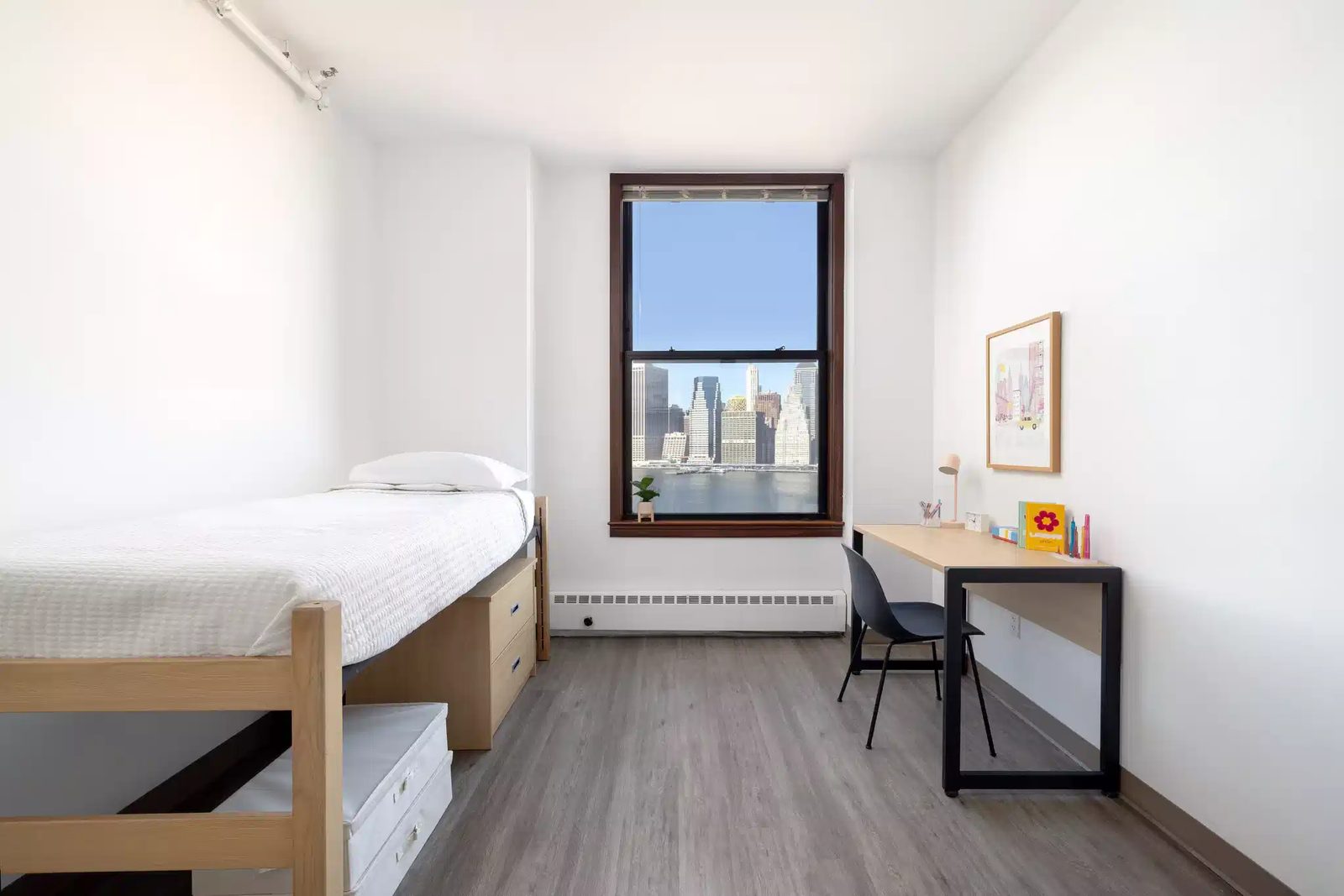
While the data provided does not list specific apartment buildings, the “nearby residences” can be understood as the typical student housing options in the Mustamäe and adjacent districts. Here is a logical approach to shortlisting:
-
Start with university-managed accommodations. TalTech operates dormitories on Ehitajate tee and in the “Akadeemia” area. These are the most convenient – you can walk to class in 5 minutes. The trade-off is that rooms are basic (shared bathrooms and kitchens) and availability is capped. Apply early (ideally as soon as you receive your acceptance letter) because demand outstrips supply. Indicative rent: €200–€350/month.
-
Nearby private apartments in Mustamäe. After dormitories, look for studios or shared flats on streets such as Sõpruse puiestee, Mustamäe tee, or Eduard Vilde tee. These are within a 15–25 minute walk or a short tram ride. Rental prices are moderate (€350–€600 per person). Check condition: many Soviet-era panel buildings are well-maintained inside, but some may have old fixtures. Use local platforms (like kv.ee or city24.ee) to compare.
-
Õismäe district, one tram stop farther. Õismäe is slightly cheaper and quieter, with a large park. It takes about 15 minutes by tram to campus. Good for students who prefer green surroundings and don’t mind a short commute. Rent can be €50–€100 less than Mustamäe.
-
Kristiine district – a compromise. Kristiine is between campus and the city centre, offering more shops and a modern mall. Commute time is about 15–20 minutes by bus or tram. Rent is higher (€450–€650 for a room), but you gain access to more services and entertainment.
-
Avoid Old Town and Kalamaja for first-year students. Although attractive, these areas are expensive (€500–€800 for a room) and far from campus (30+ minutes). They are better suited for later years or students with cars.
When shortlisting, consider three factors: total commute time (including waiting), inclusion of utilities in rent, and whether the lease is fixed-term or open-ended. Always request a video tour or visit in person before signing, especially for private apartments.
Frequently Asked Questions
How early should I apply for student dormitories at TalTech?
University-managed rooms open for applications in May for the following academic year. International students are advised to apply as soon as they receive their admission letter, ideally by June. Late applicants may have to find private housing. Confirm application dates directly with TalTech’s housing office. Indicative: dormitory rent is €200–€350 per month – confirm exact rates with the operator.
Is it cheaper to live in a shared private apartment or a university dormitory?
Dormitory rooms are usually the cheapest option for a single bed, costing about 30–40% less than a private shared room. However, dorms often have limited kitchen and bathroom sharing with more people. Private shared apartments offer more privacy and better location choices but cost €350–€550 per person. Weigh your budget against your preference for privacy and facilities. Always confirm the final price with the landlord or operator.
What is the average rent for a studio near TalTech campus?
A studio apartment within a 15-minute walk or tram ride of the campus typically costs between €500 and €750 per month (indicative – confirm with the operator). Prices vary depending on building age and amenities. Newer developments in Kristiine or along Mustamäe tee may exceed €700. Older panel apartments in Mustamäe can be found from €450. Utility bills add approximately €50–€100 per month. It is advisable to budget at least €600 total for a studio.
Data current as of 2026-07-15.
See also: listing details · browse more