Housing Near Sciences Po Paris: A Practical Guide
Sciences Po Paris is one of Europe’s most recognised universities for political science, international relations, and social sciences. Its main campus is located in the heart of the Saint-Germain-des-Prés neighbourhood (7th arrondissement), with additional buildings scattered around the 6th and 7th arrondissements. For international students planning to enrol in 2026 or 2027, finding accommodation that fits both budget and daily commute requires a clear understanding of the city’s housing reality and how the campus network actually works.
This guide uses real student reviews, city-level pricing data (indicative – confirm with the operator), and a shortlist of example residences to help you build a rational housing strategy. No promotional language, no hidden commissions – just the facts.
What Campus Reviews Reveal About Location and Atmosphere
Student reviews of Sciences Po often highlight two things: the high academic standard and the decentralised nature of the campus.
Terry W, who left a five-star rating two weeks ago, wrote:
“This is the best tertiary institution to study political sciences. It is not open to public. In France, if you are a top student but not good in Maths & Sciences; too choice is Sciences Po. There are a few campuses scattered around St Germain des Près and Rennes.”
This confirms that lectures and seminars may take place in several buildings across the 6th and 7th arrondissements. If you find a flat near the main address (27 Rue Saint-Guillaume, 75007 Paris), you will still need to check which building your courses are in. The school does not operate from a single, enclosed campus – it uses multiple historic townhouses.
Federico Pirino, in a five-star review from four years ago, mentions the Saint Thomas campus:
“The Saint Thomas campus is really nice, the historic building hosts numerous classrooms and all of those I’ve been in are well furnished with new equipment and the personnel is very helpful, all around great place to learn and interact with other students!”
The Saint Thomas site (also in the 7th) is noted for its equipment and helpful staff. Meanwhile, Mathias Herbst’s four-star review stresses the demanding environment:
“If you have the chance to come to SciencesPo, then you should take it. It is one of the best universities for Political Science in the world, the professors are of the highest standard, and the environment is near perfect for studying. Hard work and dedication is a prerequisite though, selection can…”
The review cuts off, but the message is clear: the academic load is heavy, so minimising commute time can free up study hours. Finally, Hervé Yves Arhant Morin (five stars, nine years ago) recalls “Methodology, Methodology” – a reminder that the curriculum is rigorous and you will benefit from a quiet place to work.
Takeaway for housing: because the university has multiple teaching sites, you should prioritise accommodation with good metro or RER connections to the Saint-Germain axis rather than focusing on one single building. A room within a 20-minute walk of “St Germain des Près” will serve most campuses.
Paris: A Compact City with High Rental Pressure
Paris is a geographically small city (105 km²) with a population density that pushes rents upwards. Student housing options listed on independent platforms in early 2026 show an entry-level price of €365 per month (indicative – confirm with the operator). However, that figure is almost always for shared flats or rooms in the outer suburbs. A private studio within walking distance of Sciences Po can easily exceed €1,000 per month.
Typical budget bands for student housing in the Paris area (all indicative, confirm with operator):
- Entry-level budget (€365 – €550): shared rooms or studios in the outer suburbs (e.g., Noisy-Le-Grand, Villejuif, or beyond the Périphérique). Commuting time: 35–55 minutes one way.
- Mid-range budget (€550 – €850): studios or shared flats in the inner suburbs (e.g., Montrouge, Vanves, Levallois-Perret, or the 14th arrondissement). Commuting time: 20–40 minutes.
- Comfort budget (€850+): private studios or one-bedroom flats in the 5th, 6th, 7th, 14th, or 15th arrondissements. Walking or short metro ride (under 20 minutes).
These bands are indicative; actual availability and prices change constantly. Always confirm the total monthly cost with the operator and check whether utilities, internet, and building charges are included.
Walk vs Transit: The Trade-Off
Because Sciences Po’s core is in the 6th/7th arrondissements, living within walking distance (say, under 25 minutes) means staying in the central arrondissements: 5, 6, 7, parts of the 14th (near Denfert-Rochereau), and the 16th (around Passy). The trade-off is cost. A studio in the 6th arrondissement typically commands a rent premium of 30–50% compared to a similar-sized apartment in, for example, the 18th arrondissement.
If you choose transit over walking, Paris has a dense metro and RER system. The main lines serving the Saint-Germain area are:
- Metro lines 4, 10, and 12 – stations like Saint-Germain-des-Prés, Odéon, Mabillon, Sèvres-Babylone, Rennes.
- RER B and C (further connections) – but the closest RER station is Saint-Michel-Notre-Dame (B and C), about a 10-minute walk to rue Saint-Guillaume.
A student living in Villejuif (south, metro line 7) can reach Odéon station in about 25 minutes (including a short walk from the metro). Someone in Noisy-Le-Grand (east, RER A) can reach Auber station in 20 minutes, then change to metro line 6 or walk 15 minutes. The extra time per day (40–50 minutes round trip) may be acceptable if the rent saving is substantial.
The trade-off is clear: pay more for convenience or spend more time commuting. Neither option is “better”; it depends on your budget, tolerance for travel, and study schedule.
Shortlist Logic: Using the Provided Sample Residences
The five example residences provided (names abbreviated) represent a range of locations and price points. None of them is “the best” – they are simply examples to illustrate how to apply the walk/transit trade-off.
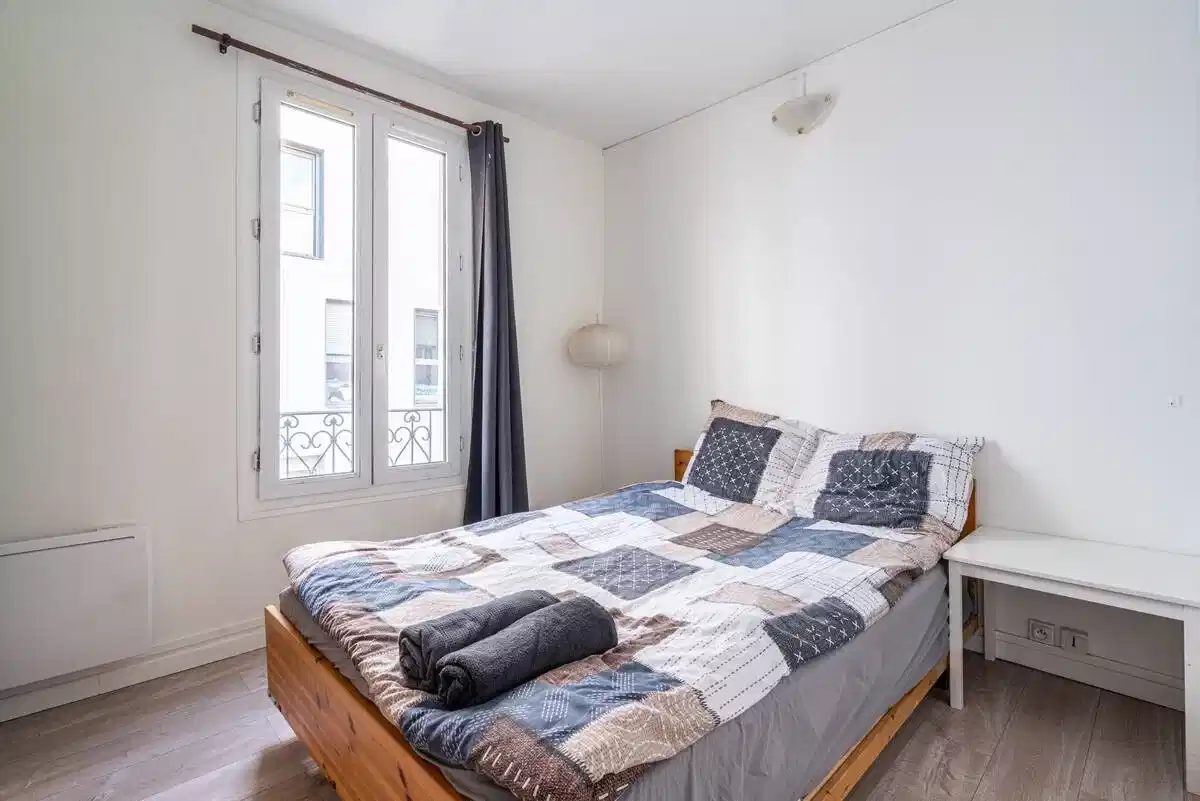
- XO 75017 – This is located in the 17th arrondissement, a mostly residential area north-west of the city centre. By metro (line 2 or 3 with a short transfer), you can reach the Sciences Po area in roughly 20–25 minutes. The 17th offers a good selection of shops and parks and is quieter than the hyper-centre. Suitable for mid-range budgets.
- Villejuif – A suburb south of Paris, directly served by metro line 7 (final stop at Villejuif-Louis Aragon). Travel time to Odéon station is around 28 minutes by metro, plus walking. Rent levels are generally lower than in Paris intra-muros. This is a practical choice for students on a tighter budget who do not mind a slightly longer journey.
- Noisy-Le-Grand – Located east of Paris on RER A. The journey from Noisy-Le-Grand – Mont d’Est to Auber (then transfer to metro or walk) takes about 30 minutes. The area is part of the “villes nouvelles” and has many student residences. It is one of the most affordable options among the sample. Commute time is manageable but requires the purchase of a Navigo pass covering zones 3–4 (in addition to zones 1–2 for the metro portion).
- XO 92800 – The code 92800 corresponds to Nanterre, a western suburb near La Défense. RER A from Nanterre-Université to Charles-de-Gaulle – Étoile takes about 10 minutes, then line 6 to Montparnasse or transfer to line 12. Total time around 30–40 minutes. Nanterre has many purpose-built student residences and is close to the university area. Rent is usually mid-range.
- XO 94800 – The 94800 postal code covers Villejuif and parts of neighbouring communes. This could be a different residence in Villejuif or Chevreuse valley. Without more detail, treat it similarly to Villejuif – a solid budget option with metro access.
How to choose among them:
- Map your courses. If you have all your classes at 27 Rue Saint-Guillaume, proximity to Saint-Germain-des-Prés or Odéon matters most. XO 75017 would be a logical choice.
- If your schedule is flexible and you have to take exams in different buildings, choose a residence on metro line 4, 10, or 12 – Villejuif (line 7) is still fine but requires one change for some buildings.
- If your rent budget is below €600 (indicative), discard the central options. Focus on Villejuif, XO 94800, or Noisy-Le-Grand.
- If you want a quieter environment and are okay with a 30-minute commute, Nanterre (XO 92800) offers a good balance.
Frequently Asked Questions
Q1: What is the typical rent range for student housing near Sciences Po Paris? Rents vary widely. As of early 2026, the cheapest listed rooms start around €365 per month (indicative – confirm with the operator), usually in shared flats far from the centre. A private studio within 20 minutes’ walk of the main campus will typically cost between €850 and €1,300 per month (indicative). Mid-range options in the inner suburbs (Montrouge, Vanves, parts of the 14th) fall between €550 and €750. Always check what is included (utilities, internet, charges).
Q2: Which arrondissement or suburb is best for walking access to the main campus? The main address is at 27 Rue Saint-Guillaume in the 7th arrondissement. Walking in 15–20 minutes, you can live in the 6th, 7th, or part of the 5th (near Maubert-Mutualité) and 14th (Denfert-Rochereau area). These are expensive areas. If you want to walk but cannot afford central rents, consider the 15th (around Pasteur) or the 16th (near Passy, 15–20 minutes by foot). Alternatively, choose a residence along metro line 4 or 10 to keep the door-to-door time under 20 minutes.
Q3: How far in advance should I start looking for housing in Paris? Start at least four months before your course start date. The Paris market is extremely tight, especially for student-friendly leases that run from September to June/July. Many early birds secure rooms in April or May for the following academic year. Use reliable platforms, but remember that no platform can guarantee availability – you must confirm directly with the operator and expect deposits of one or two months’ rent.
Data as of 2026. Prices and availability are indicative – always confirm the current rate and conditions with the accommodation operator before committing.
See also: listing details · browse more