What Campus Reviews Reveal
Royal Holloway, University of London sits in Egham, a small market town in Surrey, about 40 minutes by train from central London. The campus consistently impresses visitors. A recent 5-star review from Kamal H describes it as “a reputable university offering quality education, good student experience, and strong research, making it a solid choice, especially if its particular subject strengths align with your goals.” Another reviewer, Ezgi Kaya, calls the campus “very lovely architecture with lots of green and big area, definitely even for visiting its worth to see.” Han notes that “the campus looks very scenic and peaceful & there is a diversity of food places. Also there appears to be plenty of spaces to hang out with friends.” Shirin Al says the campus is “absolutely beautiful” with “incredible architecture that genuinely reminded me of something out of Harry Potter.” These comments point to a key advantage: the campus itself is a pleasant environment, but housing options around it reflect a quieter, less dense setting than a city-centre university. The overall Google rating is 4.6 out of 5 based on 795 reviews – a strong indication of satisfaction.
City Context: Egham and Beyond
Egham is a town of roughly 6,000 residents, located within the London commuter belt. The university is the largest institutional presence. The town centre offers basic amenities: supermarkets, cafes, a library, and a few pubs. For more extensive shopping, entertainment, or part-time job opportunities, students typically travel to Staines-upon-Thames (10 minutes by bus or train), Windsor (15 minutes), or central London (40 minutes by direct train). This means the housing decision is less about choosing between different city neighbourhoods (as in London or Manchester) and more about balancing proximity to campus against access to the wider region.
Budget Bands for Student Housing
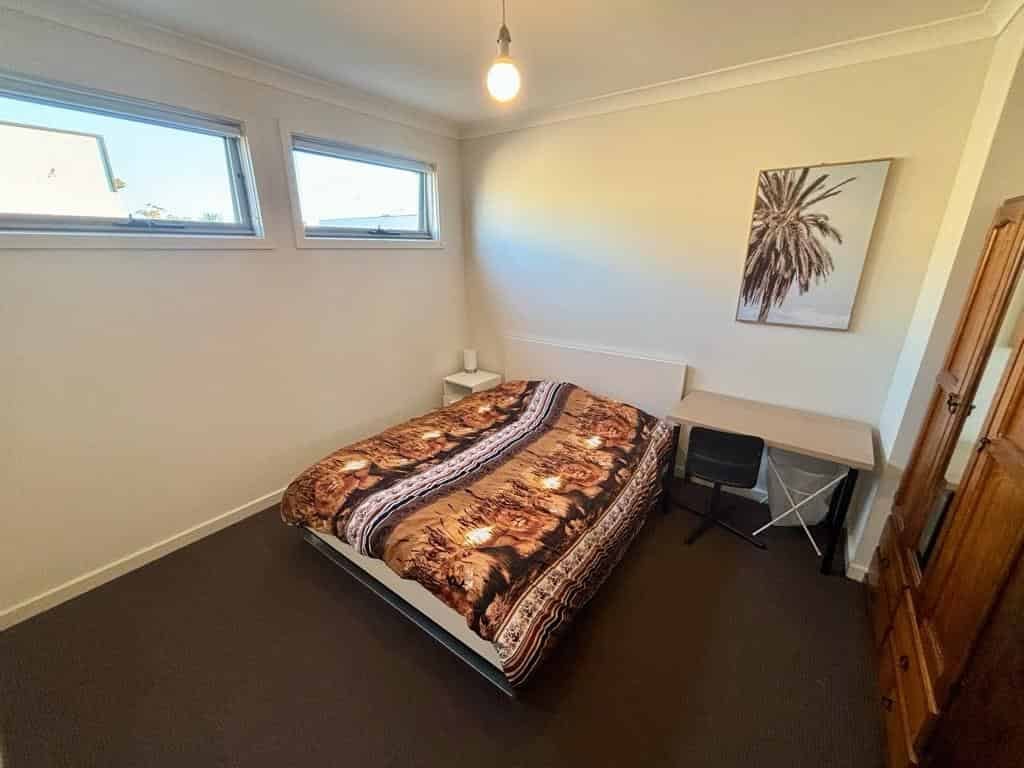
Student accommodation in the Egham area falls into three broad bands. Prices are indicative — confirm with the operator for current 2026/2027 academic year rates.
Band 1: £130–£170 per week – Shared houses or rooms in older private flats in Egham town. These are typically basic, with shared kitchens and bathrooms. Often require a longer walk or short bus ride to campus.
Band 2: £170–£220 per week – Purpose-built student halls on or near campus. Many are run by the university or private providers. Include en-suite rooms with shared kitchens. Some come with meal plans. These are the most common option for first-year students.
Band 3: £220–£300+ per week – Studio apartments or large private one-bedroom flats in newer developments near Staines or Virginia Water. Also includes premium university hall options. Offer maximum privacy but typically require a commute by train or car.
Transport costs must be added: a student monthly bus pass in Egham is around £25, while a train to London costs roughly £6–8 per single journey with a 16-25 Railcard.
Walk vs Transit: The Trade-Off
Walking – The campus is self-contained. Many students live in university-provided halls within a 5–15 minute walk from lecture buildings. The town centre is about a 15–20 minute walk from most halls. Walking to shops is feasible but involves a short hill or pedestrian path. The trade-off: you save money and time, but you are largely confined to campus and Egham for daily life.
Transit – Egham train station connects to London Waterloo (fast trains in about 40 minutes). A bus service runs between the campus and town centre every 10–15 minutes. Students choosing to live further out (e.g., Staines, Windsor, or even west London) trade cheaper or more spacious housing for a longer commute (30–60 minutes door-to-door). This also adds cost – £30–60 per week in transport – and reduces time for study or socialising. The trade-off is better for part-time work, city amenities, and a wider social scene.
Bicycle – The campus and Egham are flat enough for cycling. Bike parking is available. A cheap option if you own (or buy second-hand) a bike.
Shortlist Logic: How to Choose Your Residence
When sifting through available student housing options near Royal Holloway, use this shortlist logic:
Step 1 – Decide your priority: proximity or variety. If you value a short walk to class and on-campus social life, list only accommodations within 20 minutes’ walk of the main square (Founder’s Building). If you prioritise independent living or need a part-time job in London, list properties within 10 minutes’ walk of Egham train station.
Step 2 – Set a realistic budget. Use the bands above. Remember to factor in bills (utilities, internet) which may be included in purpose-built halls but not in private houses. Halls often include contents insurance and maintenance.
Step 3 – Check the contract length. University halls typically run 39–42 weeks for undergraduates (academic year) and 51 weeks for postgraduates if required. Private rentals are usually 12-month contracts. If you plan to spend summer away, you may prefer halls.
Step 4 – Look at reviews for specific properties. Do not rely on generic photos. Search for the residence name (e.g., “Royal Holloway halls”) on student housing portals, but ignore any advertisement language. Look for comments about noise, maintenance response, and social atmosphere. Compare to the campus reviews above – the same high standard should apply.
Step 5 – Apply early. For the 2026/2027 academic year, applications for university-owned halls open around February 2026. Private halls in Egham (such as those on Englefield Green) often have rolling availability but fill quickly by August. Private houses typically let from June to September for September move-in.
Step 6 – Consider visiting in person. The Shirin Al review – “I recently visited Royal Holloway… I just had to stop and take a look after driving past” – highlights the value of a campus visit. Walk the route from potential accommodation to your department. Check for street lighting, public transport at night, and nearby grocery stores.
Step 7 – Plan for the first few weeks. Many students book a university hall for the first year and then move to private housing in the second or third year. This is the most common pattern at Royal Holloway. If you want a quieter environment, consider a private flat in Virginia Water or Ascot – but factor in the longer commute.
FAQ: Housing Near Royal Holloway University of London
1. Can I get university housing as an international student for 2026/2027?
Yes. Royal Holloway guarantees a place in university-owned halls for first-year undergraduates and some postgraduate students if you apply by the deadline (typically early September). The university manages several halls on campus (e.g., Reeves, Highfield Court, Butler Hall). For the latest availability and prices – indicative rates for 2026/2027 – confirm directly with the university’s accommodation office. Demand is high, so apply as soon as the application opens.
2. What is the cheapest way to live near campus while studying at Royal Holloway?
The most budget-friendly option is sharing a house in Egham town (walking distance or short bus ride). Look on local student housing sites – again, avoid branded domains – for rooms from £130–£170 per week (indicative – confirm with operator). Alternatively, a university hall with a shared bathroom and kitchen (basic catered) can be around £150–£180 per week. Adding a student bus pass (£25/month) still keeps total under £200/week. Avoid studios or private flats in central London unless you have a higher budget, as they cost much more.
3. Should I live on campus or off campus?
This depends on your personal priorities. On campus: you can walk to lectures in under 10 minutes, build a close social circle, and have bills included. However, you are restricted to campus dining options and must plan for trips to shops. Off campus (Egham town): you get more independence and cheaper rent if you share, but you need to budget around £25/month for a bus pass or a 15–20 minute walk. Some students living further out in Staines or Windsor enjoy more amenities but spend 30–50 minutes commuting each way. First-year students often choose on-campus halls; many then move off campus in later years for lower cost and more space.
Data as of early 2026 based on reviews and public information. All rents are indicative – always confirm with the accommodation provider before committing. Ratings quoted reflect the university’s overall campus, not specific housing.
See also: listing details · browse more