Housing Guide for Rheinische Friedrich-Wilhelms-Universität Bonn
Rheinische Friedrich-Wilhelms-Universität Bonn, commonly known as University of Bonn, is a public research university with a QS world ranking of 207. Located at Regina-Pacis-Weg 3 in the heart of Bonn, Germany, the university has earned a Google rating of 4.4 from 773 reviews. Students praise both the academic atmosphere and the surrounding environment. This guide focuses on finding accommodation near the university, drawing on what current and former students say, the local city context, realistic budget expectations, and the trade-offs between walking and using public transport.
What Campus Reviews Reveal
The university’s setting and staff receive consistent praise. One reviewer, Alexandra Dahl, wrote: “This uni is a gem. Not only is the building and its location absolutely dreamy, the team of employees are just wonderful.” She added that every member of staff she dealt with – administrative or teaching – was “fantastic. Friendly, helpful, enga”. Such comments hint that the campus itself is a pleasant place to spend time, which can affect your housing choice: if you live close, you can enjoy the grounds more often.
Another reviewer, Nurun Nesha, highlighted the Mathematics department: “My first ever visit to a foreign university in Germany in 2024. It’s an amazing place to study. The Mathematics department is very nice. Outside the department there are so many green boards to discuss mathematics.” For students in STEM fields, being near the department buildings may be a priority.
The outdoor spaces also matter. Ozodbek Ozodov noted: “Lovely garden in front of the University. You can always find creative, happy and smiling people sitting on the grass.” Mehedi Hassan added: “The unique view you get standing right in front of the university building.” These reviews suggest that the university’s immediate surroundings – the Hofgarten lawn and the Baroque palace – are valued by students. When choosing housing, consider whether you want to be part of this open-air campus life or prefer a quieter residential area.
City Context: Bonn
Bonn is a mid-sized German city on the Rhine River, with a population of around 330,000. It served as the capital of West Germany until 1990 and still hosts many federal institutions and UN offices. The city has a strong student presence, with about 35,000 enrolled at the University of Bonn. The student vibe is evident in neighbourhoods such as the Altstadt (old town), Poppelsdorf, and Endenich. The city centre is compact, with most university buildings within a 15-minute walk of the main train station (Bonn Hauptbahnhof).
Because Bonn is not as expensive as Munich, Frankfurt, or Berlin, student housing is relatively more affordable, though demand still outstrips supply, especially at the start of each semester. Rents vary by location and room type, but all figures here are indicative — confirm with the operator.
Budget Bands
Student housing in Bonn generally falls into three broad categories, each with its own cost range:
-
Shared flat (WG – Wohngemeinschaft): The most common option, where you rent a private room in a flat shared with other students. A typical room in a WG in Bonn costs between 350 and 550 EUR per month (indicative). This includes utilities in most cases. WG rooms in the Altstadt or Poppelsdorf tend to be on the higher end, while those in Endenich or Tannenbusch are slightly cheaper.
-
Studio or one-room apartment (Einzimmerwohnung): Offers more privacy but is more expensive. Monthly rent usually ranges from 500 to 800 EUR (indicative). Studios near the university are rare and often priced at the upper end.
-
Student dormitory (Studentenwohnheim): Run by the Studentenwerk Bonn or private providers. Rooms are often the most affordable, with rents between 250 and 450 EUR per month (indicative), but waiting lists can be long. Many dorms are located in neighbourhoods a short bus or tram ride from campus.
All prices are indicative — confirm with the operator. Utilities, internet, and deposits may add extra costs.
Walk vs. Transit Trade-Off
The University of Bonn’s main building is on Regina-Pacis-Weg, right next to the Hofgarten and a 10-minute walk from the main station. Many lecture halls and libraries are within a 1–2 km radius. If you live in the Altstadt or southern Poppelsdorf, you can walk to classes in 10–15 minutes. The trade-off is higher rent and less quiet nights (bars, restaurants).
Further out, neighbourhoods like Endenich (2–3 km) or Tannenbusch (4 km) offer lower rents and a more residential feel. Commuting by tram (lines 16, 63, 66) or bus takes 15–25 minutes from Endenich to the university. A semester ticket (included in student fees) covers unlimited public transport in the region, so the actual cost of commuting is zero after the initial fee. The trade-off: you lose the spontaneity of rolling out of bed and being on campus in a few minutes.
For students who value the garden and social atmosphere mentioned in reviews, a walkable location may be worth the higher budget. For those who prioritise quiet study spaces and lower rent, a transit-connected suburb is a sensible choice.
Shortlist Logic Using Typical Nearby Neighbourhoods
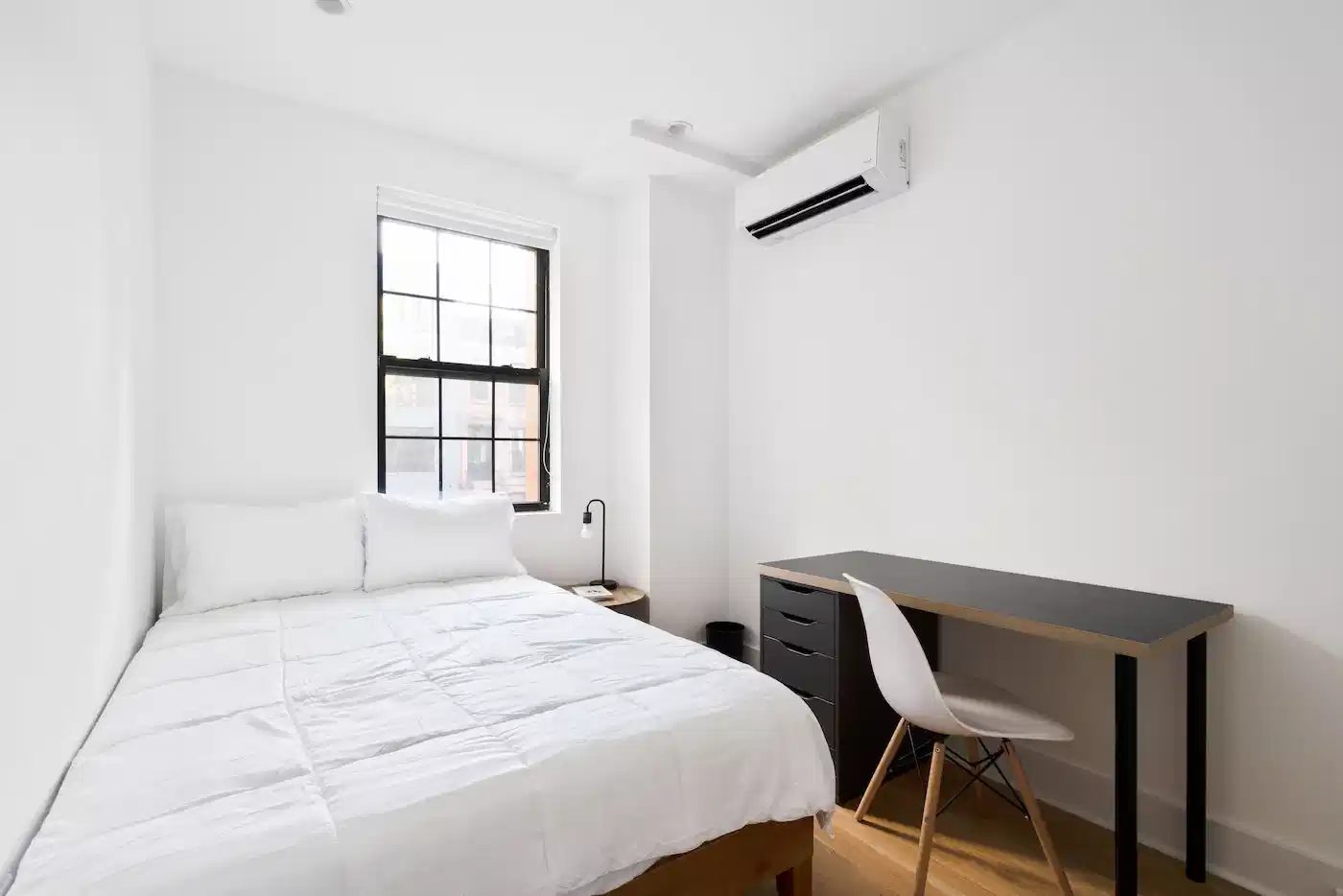
Although no specific residence names are provided in the data, the following neighbourhoods are commonly used by University of Bonn students. Use these areas as a starting point when searching for housing. The shortlist logic below helps you decide where to focus.
-
Poppelsdorf: South of the main building. Very student-friendly, with the Poppelsdorfer Allee (a green avenue) leading directly to the university. Many cafés, small shops, and the Botanical Garden. Walking time to central university: 5–10 minutes. Rent level: medium to high. Good for students who want to be close to campus and the Hofgarten vibe.
-
Altstadt (Old Town): Surrounds the main station and the market square. Lively, with many restaurants and nightlife. Walking distance to university buildings (10 minutes). Rent: medium to high. May be noisy at night. Suitable for students who enjoy city life.
-
Endenich: A quieter residential area north-west of the centre. Tramline 61 runs directly to the main station (8–10 minutes). Rent: medium to low. Good for budget-conscious students who don’t mind a short commute. The Endenich neighbourhood also has supermarkets and green spaces.
-
Südstadt (South City): South of the university, near the Rhine. Quiet and elegant, with many detached houses and some student flats. Walking distance to university: 15 minutes. Rent: medium. Good for students seeking a calm environment.
When building your shortlist, consider these factors:
- Distance to your faculty: While the main building is central, some departments (e.g., the Medical Centre in Venusberg, or the Institute of Computer Science in the south) are further out. Check where your lectures take place.
- Proximity to supermarkets and daily needs: A WG in Endenich may be cheap but requires a 5-minute walk to a grocery store; Poppelsdorf has everything on the doorstep.
- Connection to public transport: Even if you prefer walking, a nearby bus or tram stop gives flexibility for evenings or bad weather.
- Peak semester availability: Most rooms are let from April (summer semester) and October (winter semester). Start your search 2–3 months early.
Remember that no single residence is universally “best”. Use the neighbourhoods above to filter listings, then verify the commute time by walking or taking the tram once. Always request a viewing and read the contract carefully.
Frequently Asked Questions
1. How do I find a student room in Bonn?
Student dorms are managed by the Studentenwerk Bonn, which offers online applications. Private rooms are listed on platforms such as WG-Gesucht and Immoscout (do a web search for these). Many international students also find rooms through Facebook groups for “Bonn WG” or “Bonn room.” Start early and be prepared to contact multiple landlords. All information is indicative — confirm availability and conditions with the provider.
2. What is the typical rent for a WG in Bonn?
A room in a shared flat typically costs between 350 and 550 EUR per month (indicative), depending on location, size, and included utilities. Studios are more expensive, usually 500–800 EUR. Dorms can be as low as 250–450 EUR. Always confirm the final price and any additional fees with the landlord or dorm operator.
3. Should I live in a student dormitory or a private WG?
Dorms are often cheaper and include basic furniture, but they frequently have waiting lists and strict rules (e.g., no overnight guests or limited cooking). Private WGs offer more freedom and may be closer to campus, but you have to handle contracts, deposits (usually 2–3 months’ rent), and utilities yourself. Consider your priority: cost versus flexibility.
Data as of 2027.
See also: listing details · browse more