Housing Near Pontificia Universidad Católica de Chile: A Guide for 2026–2027 Students
Choosing where to live while studying at a university ranked 116th globally (QS) is a decision that blends academic practicality with everyday quality of life. Pontificia Universidad Católica de Chile (UC) sits in the heart of Santiago’s central district, surrounded by a mix of historic streets, modern services, and student-friendly neighbourhoods. This guide looks at what campus visitors and students have observed, the local city context, realistic budget ranges, the trade-offs between walking and using public transport, and a logical framework to shortlist accommodation near campus – all based on the data available as of early 2026.
What Campus Reviews Reveal
The university’s Google rating of 4.5 stars from 1,321 reviews points to a generally positive impression, though each reviewer focuses on different aspects. One visitor, Dr. Sarbjeet Singh, noted in January 2020: “I visited Chile, a South American country, most of the part of this country border with sea, a coastal area.” While his review mainly concerns his visa and travel experience, it hints at the international perspective many students bring—and the administrative steps they navigate before arriving. The actual campus experience is captured more directly by another reviewer, Luis Saez, who gave 5 stars and described it as: “College vibes, a lot of good places to eat, heavy cultural and arts vibes. It’s a great place to take pictures.” This suggests that the area around the campus, located at Marcoleta 367 in the Santiago Metropolitan Region, is lively and well-served by food outlets, art spaces, and photo-worthy corners. A third reviewer, Nagendra Prasad, rated it 4 stars and wrote: “Great university, which organised very good conferences. Very big and representative areal.” The reference to a “big and representative areal” indicates a spacious campus with significant surroundings—important when considering how far you might need to walk to reach lectures or how spread out the residential options are.
These three reviews together paint a picture of a campus that is large, culturally rich, and well-connected to local amenities. For housing, this means you can expect a vibrant neighbourhood with plenty of eateries and cultural spots, but also that the campus itself covers a substantial area. A walkable housing option could place you within minutes of the main teaching buildings, but might also put you in a pricier or noisier zone. A slightly more distant location could offer quieter streets and lower rent, with a short bus or metro ride linking you to the Marcoleta entrance.
City Context: Santiago’s Central District
Santiago is Chile’s capital and largest city, with a population exceeding 7 million in the metropolitan area. The university’s campus is situated in the commune of Santiago Centro, the historic and administrative core. This area features a grid layout, the Mapocho River to the north, and several major avenues such as Avenida Libertador Bernardo O’Higgins (La Alameda) and Avenida Santa María. The climate is Mediterranean: hot, dry summers (December–February) and mild, wet winters (June–August). Daytime temperatures in January often reach 30°C, while July averages around 8–15°C. These seasonal variations matter for housing—air conditioning or heating might be required depending on the room’s exposure and insulation.
The neighbourhood immediately around Marcoleta 367 is urban, with a mix of older buildings, some modern apartment towers, and a concentration of shops, cafes, and cultural venues. The streets near campus are generally safe during the day, but as in any large city, caution is advised at night. Public transport is extensive: Santiago’s Metro system (Lines 1 and 5 are within a 10-minute walk) and a network of buses (Transantiago) cover the city. The nearest Metro station is Universidad Católica (Line 1, red line), which sits right on campus—an advantage that makes living a few stops away very practical.
Budget Bands for 2026–2027
Rental prices in Santiago vary significantly by neighbourhood, distance from campus, and property type. As of early 2026, the following indicative monthly ranges apply—always confirm directly with the operator because market conditions change quickly. All prices are in Chilean pesos (CLP) unless noted, and are indicative — confirm with the operator.
- Shared room in a student residence or apartment (dormitory-style): 250,000–400,000 CLP (approx. 270–430 USD). This is the most economical option, popular among first-year students. You typically share a bedroom with one or two other students, and common areas are shared with 4–8 people. Contracts often include utilities and internet.
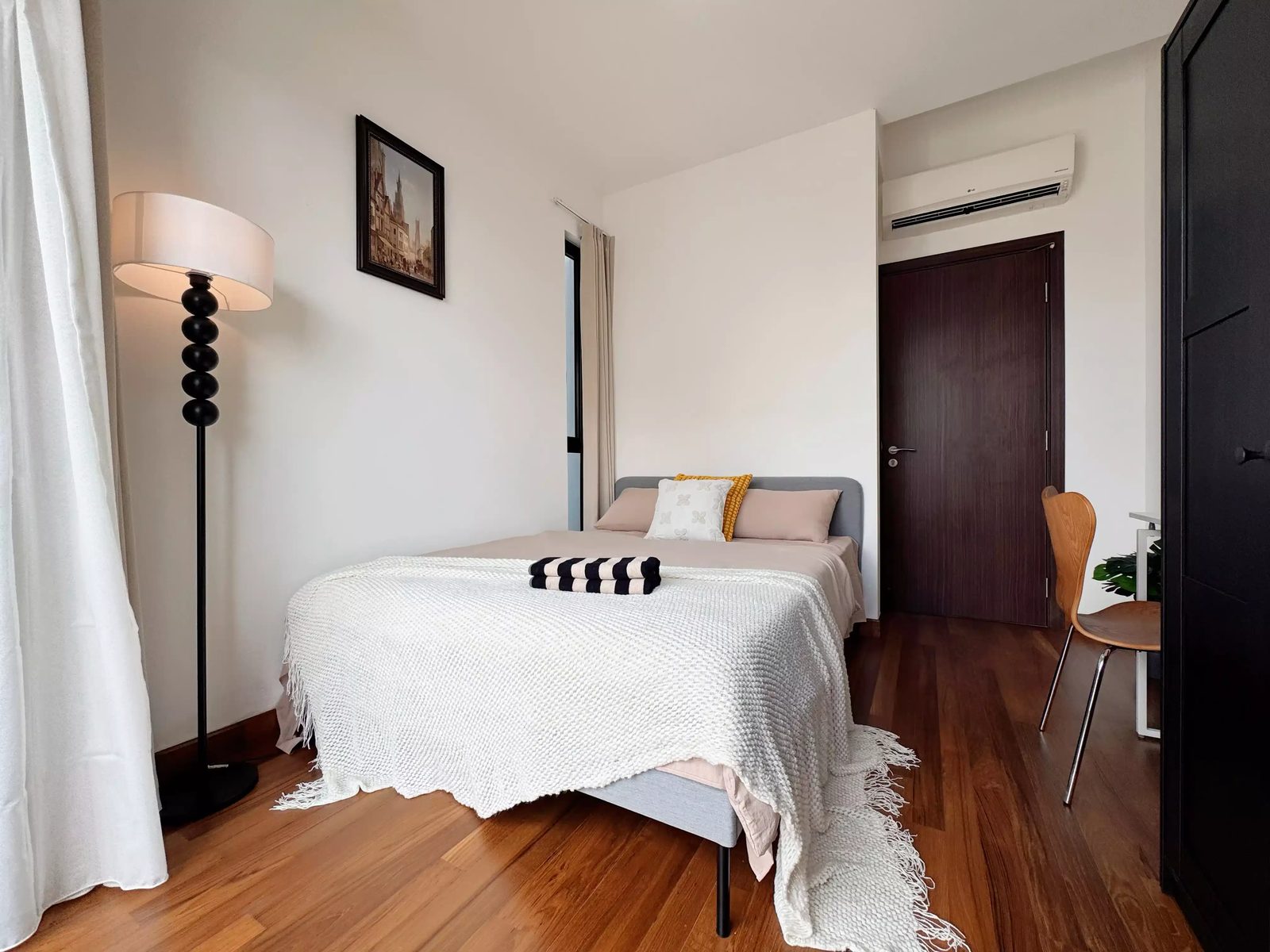
- Private room in a shared apartment (2–4 housemates): 350,000–550,000 CLP (approx. 380–590 USD). You get your own lockable bedroom; kitchen, bathroom, and living room are shared. This band is common for mid-budget students who want privacy but still share costs.
- Studio or one-bedroom apartment (self-contained): 500,000–800,000 CLP (approx. 540–860 USD). Suitable for couples, PhD students, or those who prefer to live alone. Prices are higher in newer buildings or those with amenities like a gym, rooftop, or 24-hour security.
- Higher-end accommodation: Above 800,000 CLP. This includes larger apartments in premium areas like Providencia or Las Condes, which are a bit further from campus but offer more space, better views, and more services.
The campus location itself is not the cheapest area—Santiago Centro can be moderately priced, but many students opt to live a few metro stops away in more affordable communes such as Ñuñoa, Macul, or San Joaquín, which are still within a 15–20 minute commute.
Walk vs Transit Trade-off
Walking to campus offers convenience and zero commuting cost, but the radius of truly walkable housing (say, within 15 minutes on foot) is limited to the surrounding blocks of Marcoleta. Properties within that circle tend to be older, smaller, and slightly more expensive per square meter. According to local real estate platforms in 2025, a private room in a shared apartment within a 5-block radius typically costs 50,000–100,000 CLP more per month than a similar room 20 minutes away by metro. The trade-off: you save time and transport money, but you live in a denser, potentially noisier area.
Transit offers a wider selection and often better value. The Metro’s Line 1 (Universidad Católica station) is a major east-west artery, so living towards Providencia, Las Condes, or even further east gives you access to quieter, greener residential zones. A typical commute from, say, Tobalaba station (Line 1, 4 stops east) to campus takes about 10 minutes on the train plus a short walk. Monthly metro costs are around 40,000–50,000 CLP (indicative) if you buy a reloadable Bip! card and use it regularly. Many students find that the savings on rent more than offset the transport expense. Similarly, buses along Avenida Vicuña Mackenna or Avenida Matta can bring you from cheaper southern communes in under 25 minutes.
For those who cycle, Santiago has been expanding bike lanes, and the campus area is relatively flat. A bicycle commute from, say, Barrio Italia (2 km) takes about 8 minutes. Bicycle parking is available on campus. However, bike theft is a concern, so a good lock and insurance are recommended.
Shortlist Logic Using Principle of Given Nearby Residences
Since no specific named residences are provided in the data, a practical shortlist logic relies on the factors that matter most: budget, commute time, and lifestyle preferences. Use these three steps to filter your options:
- Set your maximum commute time (e.g., 30 minutes door-to-door). Using Google Maps (in early 2026) with “Marcoleta 367, Santiago” as the destination, check travel time by walking, metro, and bus. Properties within a 15-minute walk go into a “walkable” list; those reachable within 30 minutes by transit go into a “transit” list.
- Define your budget band (from the ranges above). Filter out any property that exceeds it. For shared accommodation, typical contracts require a deposit of one month’s rent plus the first month’s rent upfront. Some landlords also ask an additional month as a guarantee.
- Match your lifestyle needs. If you value nightlife and cultural events, look at Barrio Bellavista (north of the river, 20-minute walk or 10-minute bus). If you prefer calm and green spaces, Providencia (east along Line 1) is quieter but pricier. If the campus reviews’ mention of “heavy cultural and arts vibes” appeals to you, then Barrio Lastarria (a 5-minute walk from campus) is ideal – though it’s one of the pricier pockets.
Because the university attracts many international students, several purpose-built student residences exist within 1–2 km, operated by companies like Livinn (formerly Student.com) and others, but their names are not listed in the data – you can search for “residencia universitaria Santiago Centro 2026” on popular housing sites to find current listings. Always verify the exact address, read the contract carefully, and if possible, visit the property or request a video tour before signing.
Frequently Asked Questions
Q1: Is it cheaper to live alone or with roommates near UC?
Living alone (studio/one-bedroom) typically costs 500,000–800,000 CLP per month (indicative – confirm with the operator), while sharing a private room in an apartment usually costs 350,000–550,000 CLP. Shared living also spreads utility and internet bills. If you prioritise privacy and have the budget, a studio may suit you; otherwise, sharing is more economical. In 2026–2027, expect studios in the immediate campus area to be near the upper end of that range.
Q2: How safe are the streets around campus for walking late at night?
The campus area itself and the main streets (Marcoleta, Alameda, San Isidro) are well-lit and see pedestrian traffic until around 10–11 pm. However, like any central urban area in Santiago, petty theft (phone snatching) can occur. Students are advised to stay on main avenues, avoid empty alleyways, and use ride-hailing services (e.g., Uber, Cabify) if returning after midnight. Many student residences have security guards and keycard access.
Q3: What documents do I need to rent an apartment as an international student?
Landlords typically request a valid passport, proof of enrolment from the university, a Chilean “RUT” (tax ID number – obtainable at the Registro Civil), and a guarantee (often a bank guarantee or a co-signer with a Chilean income). Some agencies accept payment of several months upfront in lieu of a guarantee. Always get a written contract and keep a copy. For short-term stays (less than 6 months), serviced apartments or student residences may have simpler procedures.
See also: listing details · browse more