Politecnico di Torino: A Housing Guide Based on Student Reviews
Politecnico di Torino is a public technical university located in Turin, Italy. With a QS World University Ranking of 242 (2026), it attracts a significant number of international students, particularly in engineering, architecture, and design. The university’s main campus is situated at Corso Duca degli Abruzzi, 24, in the Crocetta district, a well-connected residential area. This guide uses real student reviews, city context, and practical trade-offs to help you think through where to live while studying at PoliTo.
What Campus Reviews Reveal
To understand what it is like to be a student at Politecnico di Torino, it helps to look at what former and current students have actually said. The university holds a Google rating of 4.5 based on 1,673 reviews. Here are four reviews (quoted verbatim) that give a balanced picture—covering both positives and drawbacks.
Nikan Nazari (Rating 4, a month ago):
“I like the vibe the whole uni had. My brother was graduated from this uni. It was a memorable ceremony. These pic belong that time. Very recommend to young people who seek their future.”
Euphrates (Rating 5, a year ago):
“The courses are very intensive, but overall its fine i guess. The reputation of university is high, even with the reputation you can get in some companies. In the end I guess the important thing is that whether you can bear the challenges in a difficult situation, whether you can finish a given task”
Esmaeil Sn (Rating 5, a month ago):
“I have been studying almost 2 years at university, and nothing comes to my mind to complain about, one of the top universities in the world, and the environment and facilities for students is being considered first degree for sure.”
Third Secretary (Rating 1, 2 months ago):
“Just so bad, had a horrible experience with this uni. Almost all their courses are fully theoretical with no practical/real-life element. Each week is hectic with a lot of classes to program you into a cramming parrot with no collaborative, discussions or projects to promote a community feeling. My”
What these reviews suggest for housing decisions:
- The university has a positive overall atmosphere (“vibe”) and a strong reputation. Students value the environment and facilities, as Esmaeil Sn notes.
- The coursework is “very intensive” and “hectic.” This means that proximity to campus and a quiet, conducive study environment may be important.
- The critical review points to a lack of collaborative projects and a “cramming parrot” style. If you value group study spaces and social housing, you may want to look for residences that offer common areas or are located near student-friendly cafes and libraries—not just private rooms.
- The negative experience also highlights that the weekly schedule is packed (“each week is hectic”). A short commute becomes valuable.
City Context: Turin as a Student City
Turin (Torino) is a mid-sized Italian city with a strong industrial history and a growing student population. The Politecnico is one of two major universities in the city (the other is the University of Turin). Housing choices here are influenced by:
- Cost of living – Compared to Milan or Rome, Turin is more affordable. Expect lower rents, cheaper groceries, and reasonable public transport costs.
- Transport network – Turin has an integrated metro, tram, and bus system run by GTT. A monthly student pass for unlimited travel within the city costs around €30 (indicative — confirm with the operator). The metro line serves the Politecnico area via the “Politecnico” and “Vinzaglio” stations.
- Neighbourhoods – The area around the main campus (Crocetta, San Salvario, and parts of Vanchiglia) is popular with students. Crocetta is upscale with wider streets and many apartments, while San Salvario is livelier with bars, restaurants, and a multicultural vibe. Vanchiglia is closer to the city centre and the university’s central library.
- Safety and walkability – Most student areas are safe and walkable. The campus itself is located in a quiet, tree-lined boulevard.
Budget Bands for Student Housing
Housing costs vary significantly by room type, distance from campus, and whether the lease is individual or shared. The figures below are indicative – confirm with the operator before signing any contract.
- €350–€500 per month (shared room or single in a shared apartment) – This is the common budget range for students. A furnished single room in a shared flat (3–5 people) within a 20-minute walk or a 15-minute tram ride usually costs around €400–€450. Utilities (gas, electricity, internet) are often extra, typically €50–€80 per month.
- €500–€700 per month (private studio or larger shared flat) – A small studio (monolocale) near the campus can start around €550. A double room in a very central location might also fall here. These options give more privacy and quiet for studying.
- €700+ per month (premium or residence halls) – Some private student residences (e.g., Casa dello Studente, or new-build studios) can cost €700–€900 per month, including utilities and sometimes cleaning services. These are rare in Turin compared to bigger cities, but a few exist.
Note: University-managed dormitories (right to study housing) are limited and allocated based on income and merit. They are cheaper (€300–€400/month) but have waiting lists. Check the Politecnico’s housing office for the latest availability in 2026 or 2027.
Walk vs Transit Trade-off
Living within walking distance (10–15 minutes) of the main campus in Crocetta or San Salvario has clear advantages: you can avoid the cost of a transit pass, squeeze in more study or sleep, and easily attend group sessions or late labs. But rents in the immediate vicinity tend to be 10–15% higher than a few stops away.
If you choose a location slightly further out, such as Vanchiglia (20–25 minutes on foot to campus) or areas near Porta Nuova station, you will likely pay less and have better access to the city centre. The trade-off is commuting time – about 15–20 minutes by tram or metro. For students who have a very “hectic” weekly schedule, the extra 30–40 minutes daily can add up. On the other hand, if you enjoy walking and want a quieter neighbourhood, a slightly longer walk can be fine.
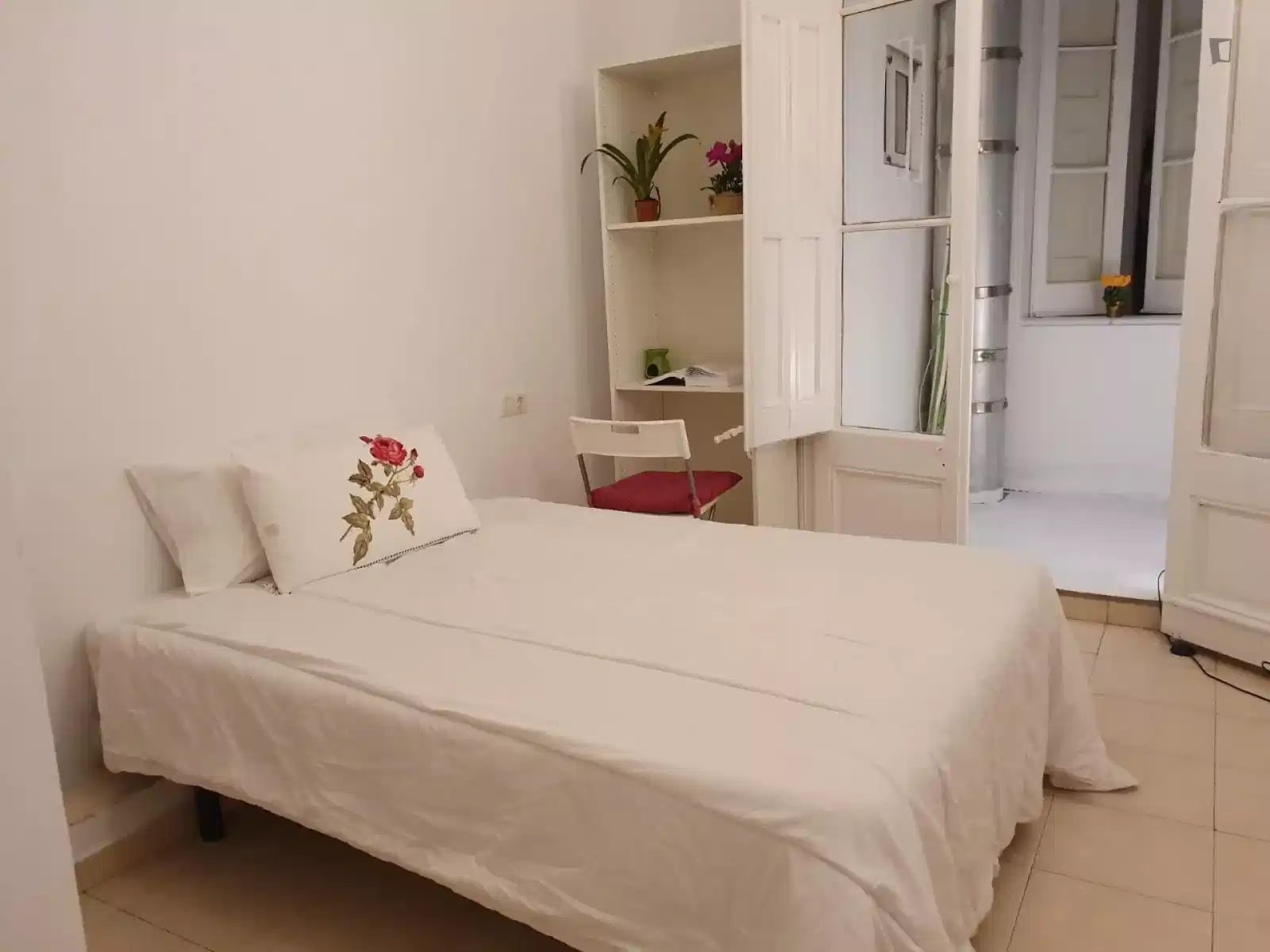
Some students choose to live along the metro line itself (especially stations like “Porta Susa”, “XVIII Dicembre”, or “Bernini”). The commute from these stations to “Politecnico” is 5–10 minutes on the metro. The trade-off here is a small monthly pass cost, but you gain a wider choice of accommodation types and prices.
How to Shortlist Residences: A Logical Process
Given the student reviews and city context, here is a step-by-step logic for building a shortlist of potential housing options. (No specific residences are listed here, as availability changes regularly. Use the logic with online portals or the university’s housing service.)
-
Prioritise commute time – With coursework described as “intensive” and “hectic”, minimise daily travel. Rule out any option that takes more than 30 minutes door-to-door (including waiting and walking). The metro and tram are reliable; buses less so during peak hours.
-
Set your budget – Decide on the maximum rent (including utilities) you can afford. For 2026/2027, an indicative range is above. Then filter only options within that band.
-
Look for study-friendly features – Given the “fully theoretical with no real-life element” review, you may need to carve out your own study environment. Look for apartments with a desk and good lighting, or a common study room in a residence. Noise levels matter: avoid floors directly above bars or facing a main road.
-
Check lease terms and deposits – Turin landlords often require a deposit equal to 2–3 months’ rent. Make sure the contract allows “student-friendly” clauses such as early termination (with notice) if you need to leave after exams. Avoid agents who ask for fees before showing the property.
-
Use multiple sources – Check the Politecnico’s own housing portal, Facebook groups (e.g., “Affitti Torino Studenti”), and established rental platforms. Cross-check reviews of landlords online. For residence halls, contact the operator directly for 2026 or 2027 availability and confirm prices.
-
Visit or request a virtual tour – Photos can be misleading. If possible, visit the room or ask for a live video call to see natural light, cleanliness, and the condition of the kitchen and bathroom. Pay attention to the heating system (many older buildings have central heating with limited control).
Frequently Asked Questions (FAQ)
1. Is it better to live in a shared apartment or a private student residence near Politecnico di Torino? It depends on your budget and preference for community versus privacy. Shared apartments are more common and affordable (indicative €400–€500 per month). They give you the chance to meet local and international students, but you will have to manage shared cleaning and potential roommate conflicts. Private residences (like those run by housing operators) are more expensive (€600+) but offer a cleaner, all-inclusive package, often with cleaning services and organised events. The student reviews of Politecnico highlight a “lack of collaborative projects”, so if social interaction is important to you, choose a shared flat with common areas or a residence with a lounge. Always confirm prices and availability directly with the operator for 2026 or 2027.
2. What is the most affordable neighbourhood within a 15-minute commute to the main campus? The neighbourhoods of San Salvario (east of the campus, lively) and Vanchiglia (north-east, quieter) offer a good balance of lower rent and short travel time. Expect rents of around €350–€400 for a single room in a shared apartment (indicative). Areas slightly further like Crocetta (closer but more expensive) or Borgo Nuovo (south) may cost 10–20% more. The metro allows options farther out while keeping the commute under 15 minutes: look at apartments near “Vinzaglio” or “Porta Nuova” stations. Always confirm current rates with the operator or landlord, as prices can vary.
3. How early should I start looking for housing for the 2026/2027 academic year? Start at least 2–3 months before your intended move-in date. In Turin, the peak season is September–October (for the autumn term) and February–March (spring term). If you wait until the last month, you may face limited availability and higher prices. The university’s housing office typically opens applications for residence halls in June (for September start) – check their website for 2026 deadlines. For private rentals, begin browsing in July/August for an September move-in, or January/February for a February start. Be prepared to act quickly once you find a suitable room – good options are rented within a week.
Data-date: February 2026. All prices and availability are indicative — confirm with the operator before making any commitments.
See also: listing details · browse more