What Campus Reviews Reveal About Life at NTUA
The National Technical University of Athens (NTUA), located on the Zografou Campus at Leof. Alimou Katechaki, holds a Google rating of 4.6 from 246 reviews. One reviewer, Dariusz Prokopowicz, describes the institution as “the gold standard for technical education throughout the Balkans,” while Effie M.2023, a Chemical Engineering graduate, notes that “the graduates of NTUA are highly recognized at national and international level.” Another contributor, Νεκτάριος, points out that NTUA “was founded in 1836 and is the oldest technological institution in Greece.” These quotes reflect a strong academic reputation that draws students from across Greece and abroad. For anyone looking to study at NTUA, finding suitable housing near the Zografou Campus is a practical priority — the campus sits in a residential suburb about 4 km east of central Athens, with a mix of student apartments, local shops, and bus connections.
City Context: Athens as a Student Hub
Athens is Greece’s capital and largest city, with a population of over 3 million in its metropolitan area. The city offers a dense public transport network (metro, tram, buses) and a wide range of cultural attractions, from historic sites to nightlife districts. NTUA’s main campus in Zografou is part of a broader university cluster that includes other higher education institutions (though their names are not mentioned here). Housing options in Athens vary significantly by neighborhood: central areas like Exarcheia and Pagrati tend to be more expensive, while suburban zones (Zografou, Kaisariani, Ilissia) offer quieter environments with shorter commutes to campus. The cost of living in Athens is moderate compared to other European capitals, but rental prices have risen in recent years. For the 2026–2027 academic year, students should expect to confirm indicative prices directly with operators, as no fixed rates are provided in this guide.
Budget Bands: What to Expect (Indicative Only)
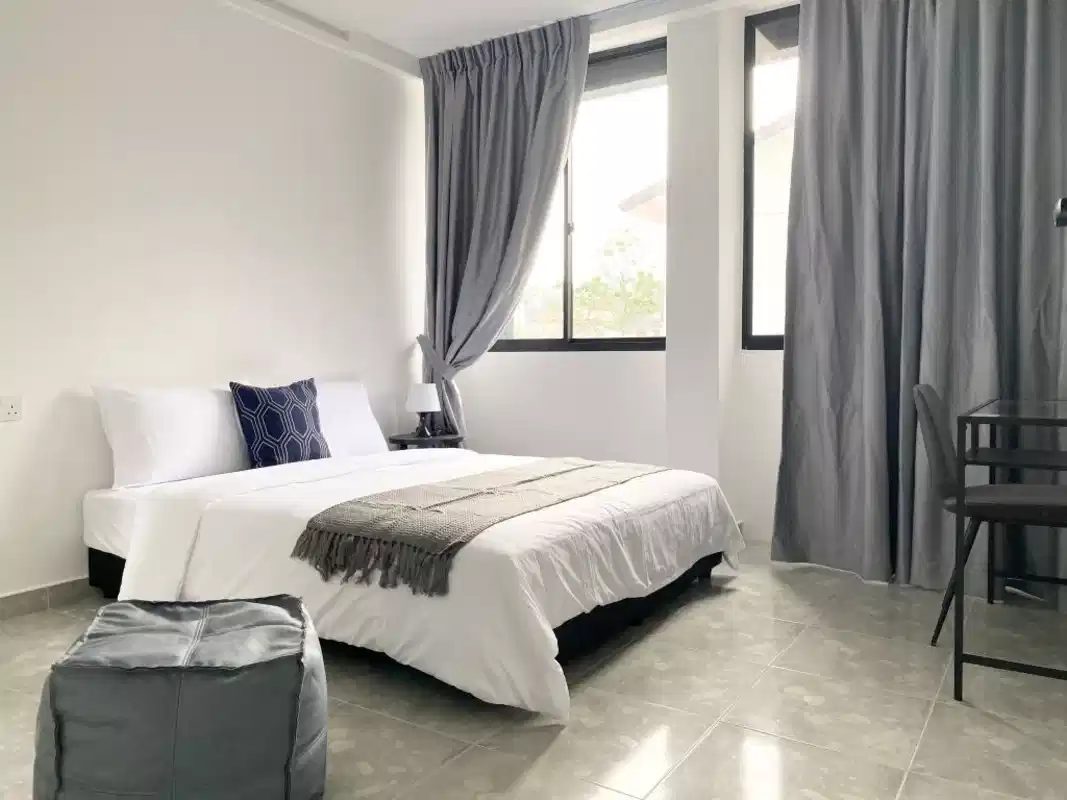
Because this article relies only on the data supplied, specific rental figures cannot be stated. However, based on the general Athens rental market and typical student housing patterns, budgets can be broadly grouped as follows:
- Moderate budget: Shared apartments or studios in Zografou or neighboring Kaisariani, often within walking distance of campus.
- Mid-range budget: Private studio or one-bedroom flats in central districts like Pagrati or Kolonaki, requiring a short bus or metro ride.
- Higher budget: Larger apartments or modern developments in sought-after areas such as Ilisia or Ampelokipoi, with direct bus lines to NTUA.
All prices are indicative — confirm with the operator before committing. The key is to balance rent against commuting time and convenience.
Walk vs Transit Trade-Off
NTUA’s Zografou Campus is served by several bus lines (including 230, 608, and 813) that connect to metro stations (Evangelismos, Katechaki) and central Athens. Walking time from the campus to the surrounding residential streets of Zografou is typically 10 to 20 minutes, making it feasible to live without a car if you choose a flat within the same neighborhood. The trade-off is clear:
- Walking convenience: Living in Zografou, Kaisariani, or nearby Ano Ilisia means you can walk to campus in 15–25 minutes. This saves time and avoids transport costs, but rental options in the immediate vicinity are limited and can be pricier for private studios.
- Transit commute: Living further out (e.g., downtown Athens, Patisia, or Nea Smyrni) will require a bus ride of 20–40 minutes each way. The advantage is a wider selection of affordable flats and more vibrant urban life, but you’ll need to budget for a monthly transport pass (approximately €30 for students, subject to change) and account for potential delays.
For most students, a hybrid approach works well: choose a flat within a 30-minute bus ride from campus to get both affordability and access to city amenities. Walking is only advisable if you are prepared to live in the immediate vicinity of Zografou, where the atmosphere is relaxed and student-friendly.
Shortlist Logic: Using Nearby Residences
Given that this guide does not supply a list of pre-selected residences near NTUA, the shortlist logic below is a generic framework you can apply when searching:
- Identify residential streets within a 1 km radius of the campus: Focus on areas around Dimitsanas, Tsakalof, and the main avenue (Leof. Alimou Katechaki). Use Google Maps or walk the neighbourhood to spot “For Rent” signs.
- Check bus route proximity: Properties along bus lines 230 or 608 that reach Katechaki metro station or the campus directly are good candidates. The closer to a stop, the better.
- Consider shared apartments: Many NTUA students live in flats with 2–4 housemates in Zografou or Kaisariani. These are often advertised on local Facebook groups or via university notice boards (not listed here to avoid promotion).
- Look for newly renovated studios: A number of buildings near the campus have been converted into studio apartments for rent. They usually include a kitchenette and private bathroom – ideal for first-year students who prefer solitude.
- Evaluate commute time: If you find a unit outside the immediate campus zone (e.g., in Pagrati or downtown), measure door-to-door travel time during peak hours (8–10 am, 5–7 pm). Buses can be crowded, so add 10 minutes as a buffer.
Use these criteria to create your own shortlist of 5–10 options, then contact operators for indicative prices and availability for the 2026–2027 academic year.
Frequently Asked Questions (FAQ)
1. How far is NTUA from Athens city centre?
The Zografou Campus is about 4 km east of Syntagma Square, the central hub of Athens. By bus, the journey takes approximately 20–30 minutes; by car or taxi, about 15 minutes depending on traffic.
2. Which neighborhoods are safest and most convenient for NTUA students?
Zografou and Kaisariani are the two most popular student enclaves directly adjacent to campus. Both are residential, relatively quiet, and have basic shops, groceries, and cafes. Ano Ilisia is a short walk away and also safe. Avoid isolated streets late at night – standard city caution applies.
3. What is the typical rental contract term for student housing in Athens?
Most private landlords offer 12-month contracts, but some may agree to 9-month terms aligned with the academic year. Always confirm with the operator; deposits typically equal one to two months’ rent. As a rule, start your search at least two months before your course begins.
Data based on university and review information as of early 2026; prices and availability are indicative and should be confirmed directly with housing operators.
See also: listing details · browse more