Housing Near Lund University: What Campus Reviews Tell You About Choosing a Place to Live
Lund University, ranked 72nd in the QS World University Rankings, is one of Scandinavia’s oldest institutions, founded in 1666. Located in the small southern Swedish city of Lund, it operates on a compact campus where most faculties are within walking distance of the city centre. Student reviews consistently highlight the strong academic environment, the welcoming atmosphere for international students, and the blend of historic architecture with modern facilities. “Lund University is one of the most reputed universities in Sweden,” writes reviewer Muralikrishnan B, “known for its excellent academic environment and research facilities. The university has a beautiful campus, supportive faculty members and a welcoming atmosphere for international students. The student life and learning environment…” Another reviewer, MOHAMMAD, calls it “one of Scandinavia’s oldest and most prestigious universities… known for its academic excellence, innovative research, and vibrant student life.”
These characteristics directly affect the housing search: the university’s central location means that living close to campus puts you in the heart of student life, but the city’s limited housing stock can make finding a place competitive. This guide covers what reviews reveal about campus life, the local housing context, typical budget bands, the walk-versus-transit trade-off, and a logical approach to shortlisting accommodation near Lund University.
City Context: Lund’s Student Housing Market
Lund is a classic university town: about 120,000 residents, with roughly 30,000 students enrolled at the university. The city centre is compact, with the main university buildings, lecture halls, libraries, and the iconic AF Borgen student building all within a 15-minute walk of each other. The presence of several large student housing areas (often called “nations” or student villages) means that the housing market is structured around student-specific rentals, but it is also tight. Many students apply for accommodation through the university’s housing service or via the local student housing foundations months before arrival. Reviewer Emmanuel Houston Kwashie notes that Lund University “had been one of my favorite universities on my list for a long time, especially because it is one of the top ranked universities in the world,” but he ended up studying elsewhere. He visited a friend studying at Lund and observed that housing is an integral part of the student experience.
The city’s small size means that even options a few kilometres from campus are still a reasonable bike ride or bus trip away. Most student housing areas are concentrated in corridors to the north, east, and south-east of the centre. The nearby city of Malmö (about 15 minutes by train) and Copenhagen (40 minutes across the Øresund Bridge) are occasionally used by students who prefer city living, but the majority of Lund University students live within Lund itself.
Budget Bands: What Your Money Gets You
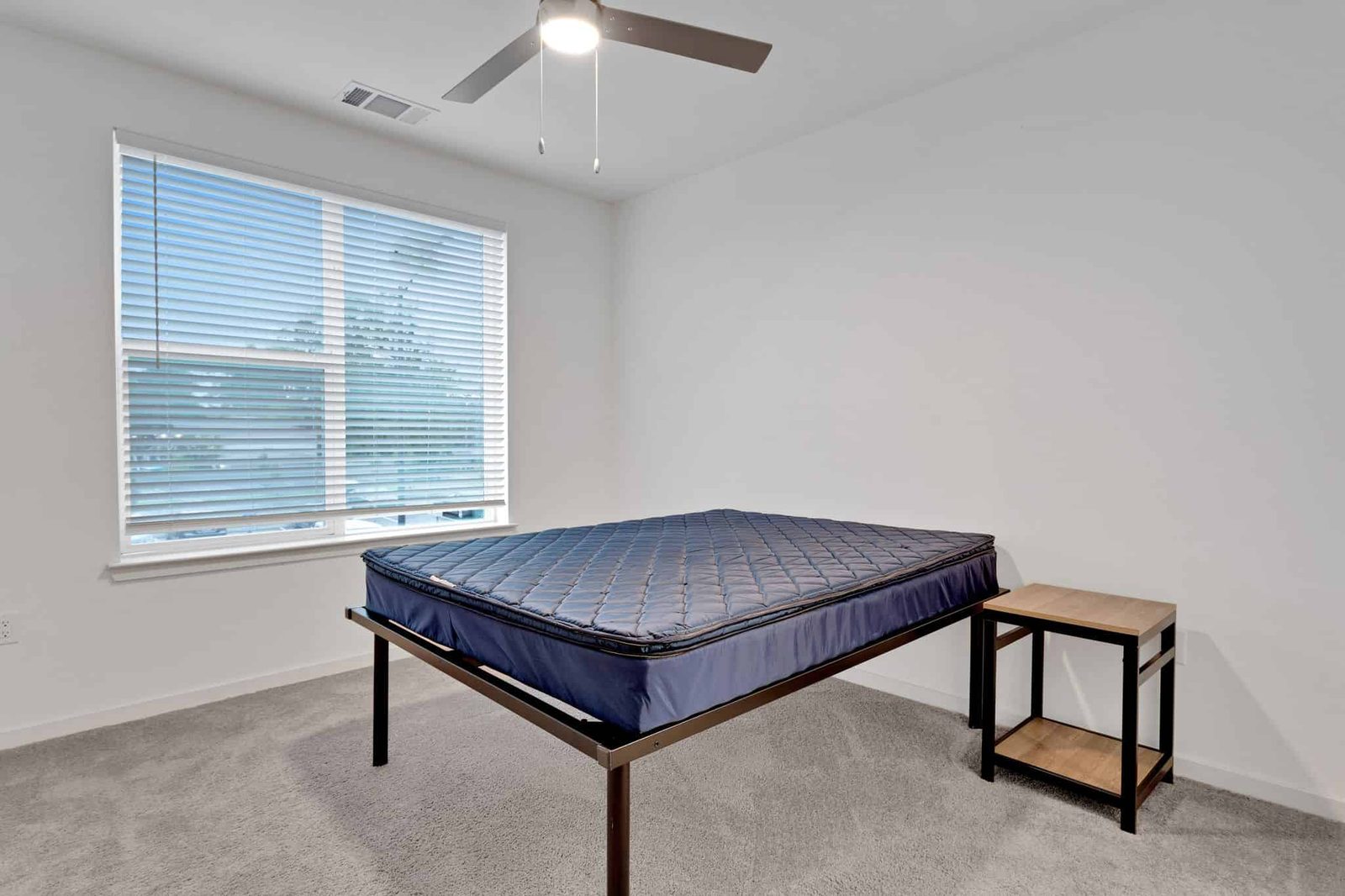
Housing costs in Lund are moderate by Swedish standards, though they can vary noticeably depending on type and location. Because exact prices change each semester and depend on rental type, all figures below are indicative — confirm with the operator before committing to any contract.
- Corridor rooms (student dorm rooms with shared kitchen) : Typically the most affordable option. Rent usually includes water, electricity, heating, and internet. You get a private bedroom and share a kitchen and sometimes a bathroom with 8–12 neighbours. Monthly rent is often between 3,500–5,000 SEK.
- Studio apartments (own kitchen and bathroom) : More expensive but offer independence. Studios within student housing complexes typically run 4,500–7,000 SEK per month. Private studios in the general rental market can be higher, often 6,000–9,000 SEK.
- Shared flats (private room in a shared apartment) : Common for older students or those with friends. Rent per person is around 4,000–6,000 SEK. Contracts are usually individual, so each tenant is responsible for their own part.
- Family apartments or larger units : For students with families or those requiring more space, 2- and 3-room apartments range from 7,000–11,000 SEK per month. These are harder to secure and often have waiting lists.
The university’s central location means that many student corridor and studio options are within 1–2 km of campus. If you choose a private rental farther out, you may pay 3,000–5,000 SEK for a room in a shared house, but you will need to factor in transport costs and time.
Walk vs. Transit: The Trade-Off
Walkable Campus Core
The vast majority of Lund University’s faculties are clustered within a 1 km radius of the main square (Stortorget). The School of Economics and Management, the Faculty of Engineering (LTH), the Faculty of Science, and the main library are all within a 15-minute walk of each other. Medical and health science faculties are slightly farther south at the University Hospital area (about 2.5 km from the main campus), but even those are reachable by a 25–30 minute walk or a short bus ride.
Living in the student village areas such as those to the north (e.g., around the Västra Station area) or east (e.g., around the Kemicentrum) puts you 10–20 minutes’ walk from most lecture halls. Many students choose these corridors precisely because they can walk to class without needing a bus pass.
When Transit Makes Sense
If you find a more affordable or available apartment in the outskirts of Lund — places like Klostergården, Gunnesbo, or even small villages just outside the city — you will need a bicycle or a bus. Lund’s public transport (Skånetrafiken) runs frequent buses covering all major residential areas. A monthly student bus pass costs around 500–600 SEK. Biking is even cheaper and faster for distances up to 5 km. The city is flat, with dedicated bike lanes almost everywhere.
The trade-off is simple: walking saves time and money, but the most affordable student housing is often not in the immediate centre. Conversely, studios closer to the university command higher rents. About 70% of students live within a 3 km radius of the university, with many in purpose-built student housing that balances price and proximity.
Commute Notes for Specific Campuses
- Main campus (humanities, social sciences, law, economics) : Anywhere north of the railway line and south of the cemetery is walking distance. The area between Stortorget and the University Library is a prime walking band.
- LTH (Engineering) : Located east of the centre, about 1.5 km from the main square. The student housing areas along the eastern axis (e.g., around Kemicentrum and the LTH area itself) are ideal for walkable access.
- Medical campus : At the University Hospital in the south-west part of town. Buses from the centre take 10 minutes. Living near the hospital (e.g., in the Klostergården area) reduces walking time to 10–15 minutes.
Shortlist Logic: How to Evaluate Your Options
When building a shortlist of housing options near Lund University, use the following logic derived from campus reviews and the local market realities:
-
Prioritise proximity to your main faculty. If you spend most of your time at the Economics building, then housing within 1 km of Stortorget should be your first filter. If you are in Engineering, focus on the eastern crescent.
-
Check the contract type. Swedish student housing often operates on a first-come, first-served queue system. Options from the student housing foundation (the largest provider) require you to queue in advance; private rentals may have shorter notice but higher risk of scams. Always verify the landlord or operator.
-
Read reviews of specific housing areas. Students consistently mention that older corridor buildings have character but smaller rooms, while newer studios (built within the last 10–15 years) have modern kitchens and better soundproofing. Look for mentions of “quiet but social” or “close to groceries.”
-
Factor in the “nation” system. Lund is famous for its student nations (social clubs). Living near your chosen nation can save you late-night walking time. Many nations are located on the western edge of the city centre.
-
Consider the contract period. If you are only staying for one semester, you may want a corridor room with a minimum 6-month lease. Year-long contracts are more common. Some private studios offer month-to-month but at a premium.
-
Understand that availability is seasonal. Housing applications for the autumn semester open in spring. For spring semester starts, applications open in late autumn. Late applications often mean no housing offer, so apply as early as possible.
Quoted reviews underline the importance of the learning environment. Swapnil Mahajan writes that Lund University offers “an unparalleled learning experience. The campus itself is a blend of historic charm and modern facilities, providing a conducive environment for in…” — this reinforces that being close to campus can enhance your academic experience. Likewise, the “vibrant student life” mentioned by several reviewers often takes place in nations, pubs, and parks concentrated in the city centre.
Frequently Asked Questions
How far in advance should I apply for student housing in Lund?
Most student housing applications open 3–5 months before the semester starts. For the autumn semester (late August), the main application window is usually April–June. For spring semester (mid-January), applications open in October–November. Because demand exceeds supply, it is common for late applicants to receive no offer. Start researching and registering with the local student housing system at least 6 months before your intended move-in date.
What is the typical walking distance from student housing to the university?
The majority of purpose-built student accommodation is located within a 1.5 to 3 km radius of the main campus. Corridor rooms in the northern and eastern student villages are a 10–20 minute walk from most faculties. Studios closer to the city centre can be a 5–10 minute walk. Housing farther out (beyond 3 km) usually requires a bicycle or bus, with commute times of 15–30 minutes.
Are utilities included in the rent for student housing?
Yes, nearly all student housing in Lund includes water, electricity, heating, and internet in the monthly rent. This is standard for corridor rooms and most studio apartments offered by the major student housing operators. Private rentals may sometimes charge separately for electricity or internet, so always confirm before signing. The indicative price range given earlier generally covers all inclusive bills.
Data date: 2027 — all housing prices are indicative and should be confirmed with the operator before any commitment.
See also: listing details · browse more