Understanding the Campus Through Reviews
Linköping University (LiU) has earned a Google rating of 4.6 out of 5 from 353 reviews, reflecting strong overall satisfaction among students and visitors. A recurring theme in the feedback is the campus’s modern design and natural setting. One reviewer, rex perez, wrote: “Beautiful campus! Love the cherry blossoms”, giving a 5-star rating two months ago. This suggests that aesthetics and greenery contribute to a pleasant study environment.
The campus is located on the outskirts of central Linköping, a fact highlighted by Kristina Hoblíková Nguyenová in her 5-star review from six years ago: “Very modern University with location accessible by bus from the city Linköping. Nice new building Studenthusset with a mental health consultation centre. Close to the accommodation of students and visitors. Canteen in the Studenthusset building.” This review directly links campus facilities with nearby student housing, indicating that accommodation is clustered around the Studenthusset building and is reachable via public transport.
Another 5-star review from Dariusz Prokopowicz (three months ago) describes LiU as a “high-tech engine of innovation” with a “problem-solving spirit permeates every aspect of the campus culture”. While this speaks to the academic environment, it also implies a community that values collaboration – a factor that can influence housing choices if students prefer to live close to peers.
On the other hand, Ek Hohn Tan, who visited as an exchange student three weeks ago, gave 4 stars and noted: “A huge departure from what I was used to as I only came here for exchange, culture shock was real. culture looks good though I didn’t participate (was busy traveling).” This reminds prospective students that adjusting to a new city and housing system may require some planning.
The reviews collectively paint a picture: a modern, well-connected campus with housing nearby, and a culture that blends innovation with natural beauty. For anyone planning to study at LiU in 2026 or 2027, understanding the local housing market is essential.
Linköping City Context and Student Housing Landscape
Linköping is a mid-sized city in southeastern Sweden, with a population of around 165,000. It is home to a significant student population, as LiU enrolls roughly 27,000 students across its two main campuses: the main campus in Valla (where reviews reference Studenthusset) and a second campus in Norrköping, about 30 minutes away by train.
Student housing in Linköping is managed by a mix of municipal housing foundations, private landlords, and the university itself. The most affordable options are typically corridor rooms (rooms with shared kitchen and bathroom in a student corridor), while single apartments and shared flats are more expensive. Demand is high, especially at the start of each semester, so early application is strongly recommended.
The city is bicycle-friendly, and many students choose to cycle from their accommodation to campus. Public buses are reliable, with frequent services connecting residential areas to the university. The main student housing areas include: Ryd (a large student neighbourhood about 2 km from campus), Lambohov, and central Linköping. Each has its own trade-offs in terms of price, distance, and atmosphere.
Budget Bands for Student Housing (Indicative Prices for 2026/2027)
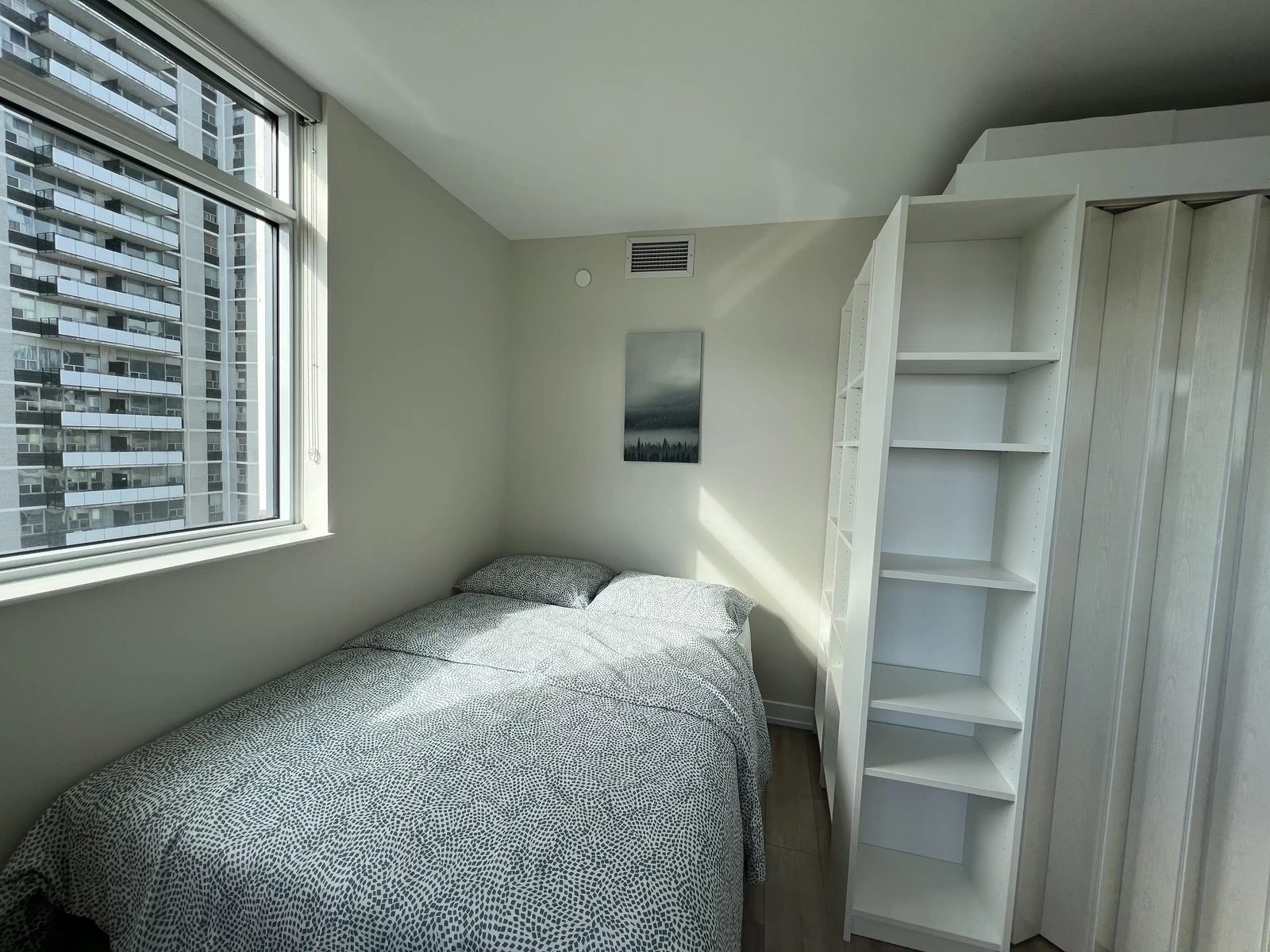
All prices listed below are indicative and should be confirmed with the specific housing operator. Rent is typically quoted per month in Swedish Kronor (SEK). Exchange rates vary; as of early 2026, 1 SEK ≈ 0.09 EUR / 0.10 USD.
Low budget (3,500 – 5,000 SEK per month)
- Typically a corridor room (shared kitchen, sometimes shared bathroom with 1–2 others) in a student housing area like Ryd or Lambohov.
- Includes utilities (heating, water, electricity) and internet.
- Minimum contract length often 12 months, but some operators offer semester-long leases for exchange students.
Mid budget (5,000 – 7,000 SEK per month)
- A small studio apartment (own kitchenette and bathroom) in a student housing complex or a private shared apartment (2–3 people).
- Located in areas like Valla or central Linköping.
- May require a deposit of one month’s rent.
High budget (7,000 – 10,000+ SEK per month)
- A larger one-bedroom apartment or a private studio in central Linköping or near campus.
- Often rented through private landlords; contracts can be more flexible but competition is higher.
- Some newly built complexes near the university offer modern amenities at the upper end of this range.
Keep in mind that queue time for municipal student housing can be several months. Some operators (like the municipal Studentbostäder) use a queue system where points accumulate over time. Exchange students may have reserved spots, but this varies.
Walk vs. Transit: Choosing Your Location
The Valla campus is not in the city center but is well connected by bus line 2 and other routes. Walking from the city center to the main university buildings takes about 30–40 minutes, which is feasible but not ideal in winter. Most students opt for a bicycle (15–20 minutes from central Linköping) or take a bus (10–15 minutes). The review by Kristina Hoblíková Nguyenová specifically notes that the campus is “accessible by bus from the city Linköping”.
Walkable distance (0–1 km from campus)
- Accommodation in the immediate vicinity of Valla, such as the Studenthusset area or the student housing on Campus Valla.
- Pros: No commute time; easy access to library, canteen, and study spots.
- Cons: Limited options; higher rent per square meter; less variety in shops and nightlife.
- Indicative rent: 5,500–8,000 SEK for a studio.
Transit-dependent (2–4 km from campus)
- Neighbourhoods like Ryd, Lambohov, and parts of central Linköping that are a 10–20 minute bus ride or 15–25 minute bike ride.
- Pros: More affordable housing (especially corridor rooms); closer to supermarkets and city amenities.
- Cons: Requires monthly bus pass (around 650 SEK for students) or owning a bicycle; schedule dependency.
- Indicative rent: 3,500–6,000 SEK.
City center (5+ km from campus)
- Apartments in central Linköping, closer to shops, restaurants, and train station.
- Pros: Vibrant urban life; good for students who work part-time in the city.
- Cons: Longer commute (20–30 minutes by bus or 25–40 minutes by bicycle); fewer student-specific housing options.
- Indicative rent: 6,000–10,000 SEK for a private apartment.
Bicycling is the most popular mode among students due to flat terrain and dedicated cycle paths. If you plan to cycle, ensure your accommodation has safe bike storage.
Shortlist Logic: How to Choose Among Nearby Options
Since specific housing operators and availability change every semester, it is more useful to apply a decision framework rather than list a static shortlist. Use the following logic to narrow down your search:
- Define your budget – Choose a low, mid, or high band based on your financial situation. Remember that utilities are usually included in student housing but not always in private rentals.
- Set your commute preference – If you value time over cost, filter for accommodation within 1 km of campus. If you want the lowest rent, look in Ryd or Lambohov and accept a 10–20 minute bus ride.
- Check contract flexibility – Exchange students need short-term leases (4–6 months). Some operators (e.g., certain student housing foundations) offer semester contracts. Private landlords may require 12-month commitments.
- Look for cues from reviews – The Studenthusset building (mentioned in the 5-star review) is near both housing and a mental health consultation centre. If wellbeing is a priority, target housing clusters near such facilities.
- Queue vs. real-time availability – For municipal housing, join the queue as early as possible (some allow registration up to one year before your intended move-in). For private listings, monitor online platforms frequently.
- Consider the Norrköping campus – If your program is based there, housing options in Norrköping differ. This guide focuses on Linköping/Valla.
When you find a specific listing, verify the walking or transit time using a map service and contact the operator directly to confirm rent, deposit, and contract terms. All prices above are indicative – always confirm with the operator.
FAQ
1. When should I start looking for housing for the 2026/2027 academic year?
For accommodation starting in August/September 2026, begin your search in March–April 2026. Some housing queues open 12 months in advance. Exchange students should apply for reserved spots as soon as they receive their acceptance letter (usually April/May). For January 2027 intake, start in October 2026. Early applications increase your chances of securing a corridor room or studio.
2. Is it better to live in a corridor room or a private apartment as a new student?
Corridor rooms are more affordable and inherently social – you share a kitchen with 6–12 other students, which can help with culture shock and making friends. Private apartments offer more privacy but are more expensive and may require managing utilities and own furniture. For your first semester, a corridor room in Ryd or Lambohov is a common choice. Exchange students often prefer apartment-style housing for shorter stays.
3. Do I need to bring my own furniture?
Most student housing is unfurnished, meaning you need to provide bed, desk, and chairs. However, many corridor rooms come with a basic set (bed frame, mattress, desk, chair, wardrobe). Check the operator’s inventory before arrival. If you stay for only one semester, consider renting furniture from services that cater to students. Alternatively, buy second-hand items from previous students through local Facebook groups.
Data date: April 2026 – prices are indicative and should be confirmed with the operator.
See also: listing details · browse more