What Campus Reviews Reveal About Lebanese University
Lebanese University, ranked 515 globally, sits in the Hadat suburb south of Beirut, at address RGHC+4PR, Beirut, Lebanon. With a Google rating of 4.1 from 369 reviews, student feedback highlights both strengths and challenges. The university is known for offering accessible, high-level education at minimal cost. One reviewer, Ali Salhab, wrote: “Lebanese University – Hadat Campus is, without exaggeration, the only real door that opens for smart, determined students who may not come from wealthy backgrounds but come with ambition, discipline, and a strong will to succeed. The academic load is undeniably intensive. Completing around 60 credit” (published 6 months ago). Another student, Ali GNW, rated it 4 stars: “High-level education, research and projects… in need of more organization and employment according to educational and practical competence. The university’s technical operation is good and modern, but some places need maintenance, and therefore the maintenance budget is relatively weak” (2 months ago). A third review by Ali (5 stars) noted: “Brilliant University that offers education for everyone nearly free of charge. The campus encompasses several Faculties, sports facilities, green and parking spaces” (7 years ago). Elie Khoury added: “Such a nice campus … I had a conference over there I didn’t expect to see such a nice campus” (4 months ago).
These insights point to a campus that combines academic rigor with affordability, though maintenance and organization remain areas for improvement. For prospective students, understanding the surrounding housing landscape is essential. Below is a guide to finding accommodation near Lebanese University, covering city context, budget bands, walk versus transit trade-offs, and a shortlist logic framework.
City Context: Beirut and the Hadat Suburb
Beirut is Lebanon’s capital and largest urban center, set on the Mediterranean coast. It is a city of contrasts: historic neighborhoods like Gemmayzeh and Mar Mikhael sit alongside modern commercial districts. The city experienced severe economic challenges, including currency devaluation and periodic utility shortages, which affect everyday life and housing costs. Students often seek housing close to their campus to reduce commuting time and expenses.
Lebanese University’s main campus is in Hadat, a suburb about 8 kilometers south of downtown Beirut. Hadat is a residential area with a mix of apartment buildings, small shops, and some green spaces. The campus itself includes multiple faculties, sports facilities, and parking. The surrounding neighborhood is quieter than central Beirut, but it lacks the nightlife and dining options of the city center. Proximity to the campus is a major advantage because public utility reliability (electricity, water) can vary—many landlords in Hadat offer backup generators or water tanks as part of the rental.
Budget Bands for Student Housing
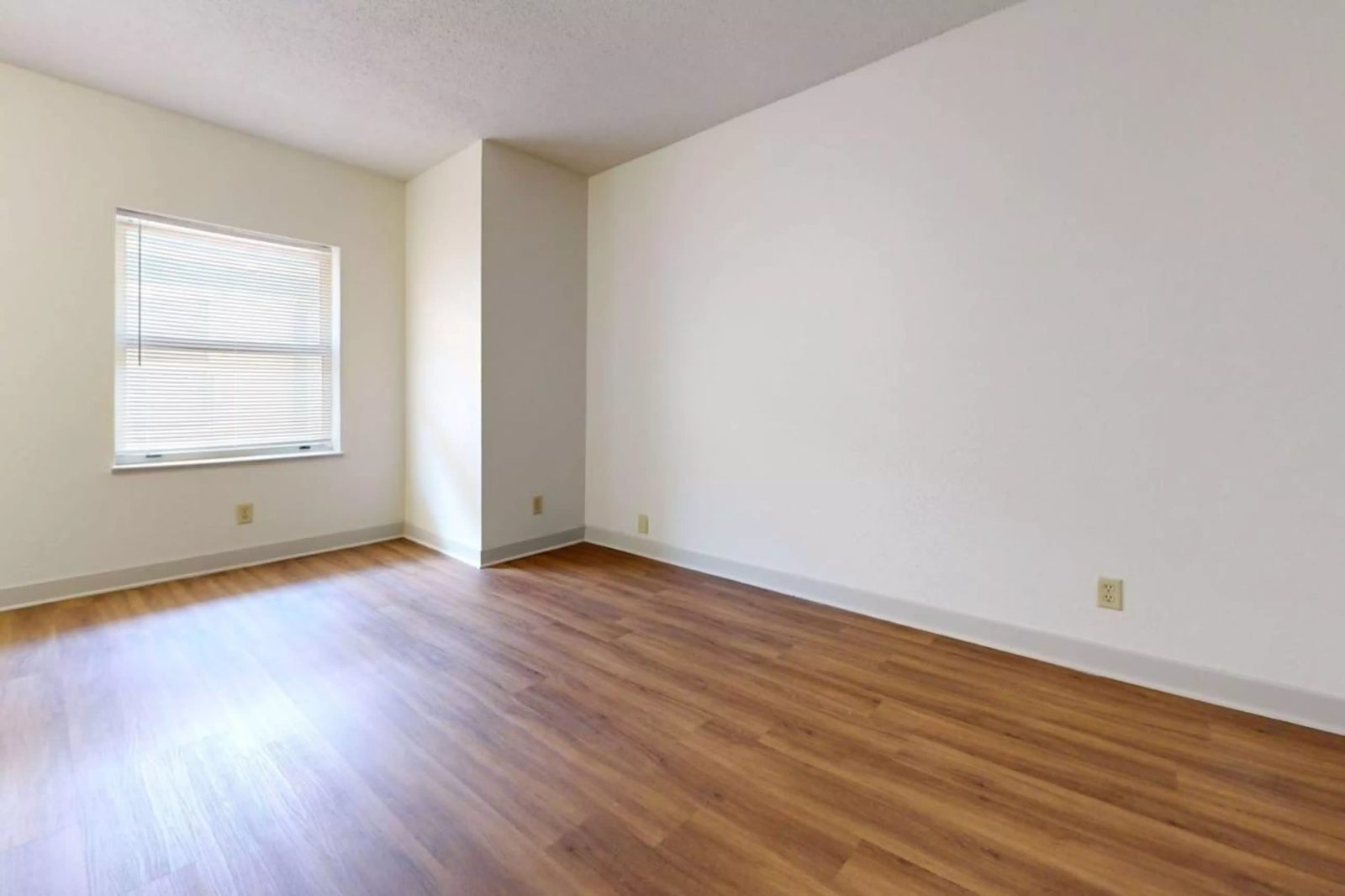
Rental prices in Beirut and its suburbs fluctuate significantly due to economic conditions and currency volatility. The Lebanese pound has lost substantial value against the US dollar, and many landlords quote rents in USD or a combination. Student housing options typically include shared apartments (often with 2–4 housemates), studios, or small one-bedroom flats. The table below is not applicable per the formatting rule; instead, here is a narrative breakdown.
- Low budget (indicative – confirm with the operator): $200–$350 per month for a shared room in a multi-bedroom apartment within 3–5 km of campus. These units may lack backup power or water storage and are often in older buildings. Expect basic furniture and a shared bathroom and kitchen.
- Mid-range budget (indicative – confirm with the operator): $350–$600 per month for a private room in a shared apartment or a small studio within 1–2 km of the university. These are more likely to have a backup generator, better internet, and a private bathroom. Many mid-range apartments are found in Hadat itself or adjacent areas like Baabda or Chiyah.
- High budget (indicative – confirm with the operator): $600–$1,000 per month for a standalone studio or one-bedroom flat within walking distance of campus or in a newer building with reliable utilities, parking, and possibly a sea view. These units are rare but exist in gated compounds or newer residential towers.
All prices are indicative—confirm with the operator because rents can change weekly based on USD exchange rates. Students should also budget for monthly utility bills (electricity, water, internet) that may be separate from rent, typically $50–$150 per month in total.
Walk Versus Transit Trade-Off
Walking Distance (0–1.5 km from campus)
Living within a 15–20 minute walk of Lebanese University Hadat Campus eliminates commuting costs and reduces time wasted in traffic. Beirut’s public transportation is not always reliable; buses and shared taxis (service taxis) are available but can be crowded and irregular. A walking commute also means you are closer to campus facilities like the library, sports grounds, and cafeterias. The trade-off is that properties immediately next to the campus tend to be older, with higher demand and potentially more noise from student gatherings. Also, the area immediately around the university has few grocery stores or restaurants; students often need to walk or take a short taxi ride to reach supermarkets.
Short Transit (1.5–5 km from campus)
Rents drop by roughly 20–40% when you move 2–3 km away, typically into neighborhoods like Baabda, Furn El Chebbak, or parts of Chiyah. These areas offer more established residential blocks, better access to small markets, and lower per-square-meter costs. Commuting by shared taxi (service) costs about 50,000–100,000 Lebanese pounds per trip (indicative—confirm with the operator). A one-way trip may take 10–20 minutes depending on traffic. The main downside is the added daily expense and the need to factor in taxi availability, which can be scarce during peak hours or bad weather. Students who choose this option often arrange carpools with classmates.
Long Transit (5 km+ from downtown Beirut)
Some students consider living in central Beirut (Hamra, Ras Beirut, or Mar Mikhael) for the vibrant urban lifestyle. The commute to Hadat can take 30–60 minutes each way by shared taxi or private car, especially during rush hour. Rent in central Beirut is higher ($400–$1,200 per month indicative) for a similar quality unit. This option is best for those who prioritize social life and part-time job opportunities in the city center over convenience to campus. Students should be realistic about the time and cost of daily travel; with Lebanon’s fuel price volatility, a round trip can cost $5–10 per day.
Shortlist Logic Using Given Nearby Residences
The available data does not include specific nearby residence listings. Therefore, the shortlist logic below is a general framework that students can apply when searching for housing near Lebanese University. When evaluating listings, consider these four criteria:
-
Distance to campus: Filter for listings within 3 km (about a 10-minute drive or a 25-minute walk). Use Google Maps to measure walking time from the address to the university’s main gate (RGHC+4PR, Beirut). If the listing does not provide a precise address, ask the operator.
-
Utilities reliability: Ask the landlord whether the building has a backup generator for electricity and a water storage tank. Frequent power cuts (up to 12 hours a day in some areas) are common in Lebanon; a generator ensures you can study and charge devices. Also ask if internet is included or if you need to arrange a provider; fiber-optic connections are available in many parts of Hadat.
-
Safety and amenities: Read recent reviews of the building or neighborhood. Check if there are convenience stores, pharmacies, and ATMs within a 10-minute walk. The Hadat campus area is generally considered safe, but standard precautions like locking doors and avoiding unlit streets at night are recommended.
-
Lease terms and currency: Most landlords expect rent in fresh US dollars (not the Lebanese pound at the official rate). Ask about the payment frequency (monthly, quarterly), deposit amount (usually one month’s rent), and whether utilities are included. Avoid paying more than two months’ rent upfront. All prices mentioned in listings should be verified as indicative—confirm with the operator before making any commitment.
Students can search for apartments on local Facebook groups (e.g., “Beirut Student Housing” or “UL Hadat Rentals”), classifieds websites, or through word-of-mouth from current students. Given that Lebanese University has a large student body, you can likely find a flatmate or shared arrangement via campus notice boards.
Frequently Asked Questions
1. Is it possible to find furnished student housing near Lebanese University?
Yes. Most apartments aimed at students are semi-furnished (kitchen, beds, desks, wardrobes). Listings often state “furnished” or “semi-furnished.” Confirm that basics like a stove, refrigerator, and washing machine are included. Students should bring their own linens, kitchen utensils, and possibly a small heater or fan, as central heating/cooling is rare. Rents for furnished units tend to be 10–20% higher (indicative – confirm with the operator).
2. What should I do about the electricity situation when renting?
Ask the landlord explicitly: “Is there a building generator? Does it run continuously during power cuts, or only for limited hours? Are generator costs included in rent or charged separately?” Many buildings near Hadat campus have generators that cover common areas and each apartment (usually a few outlets for lights, internet router, and a refrigerator). Some landlords charge a monthly generator fee (typically $20–$50 per room). Always get this in writing.
3. Are there any safety concerns for students living alone near the university?
The Hadat area is generally regarded as safe, with a low incidence of violent crime. However, petty theft (bag snatching) can occur in crowded areas or on public transport. Students living alone should choose ground-floor apartments with security bars on windows, ensure doors have a deadbolt, and avoid walking alone late at night in poorly lit streets. Many landlords offer buildings with a doorman or security guard, which adds an extra layer of safety.
Data updated: January 2026. Prices and availability are subject to change — always confirm current terms directly with the operator.
See also: listing details · browse more