What Campus Reviews Reveal About the LUT Experience
Student feedback consistently highlights the welcoming, innovative atmosphere at Lappeenranta-Lahti University of Technology LUT. With a Google rating of 4.6 from 265 reviews, the institution is appreciated for both its academic focus and community feel.
One reviewer, Tian Wu, wrote: “One of Europe’s leading tertiaries in terms of innovation and sustainability. Amazingly exuberant and vibrant school! The community is really endearing and welcoming, nourishing and fostering a healthy environment for all students to burgeon in!” This perception of a supportive environment matters directly to your housing search: the surrounding neighbourhoods and housing options should match that same safe, collaborative spirit.
EMRAN MAHAMUD AKASH noted that LUT “focuses on technology and business education, emphasizing international collaboration, sustainability, and innovative research … [and] offers a vibrant student life.” The mention of sustainability is relevant when choosing accommodation — look for buildings with energy-efficient heating, recycling facilities, or proximity to green spaces.
AnAm R. commented: “Uni was amazing, the first time walk was bit hard working but worth it.” This remark hints that the campus itself may require a short walk from some housing areas, but that the effort is rewarded. It reinforces the importance of understanding the pedestrian network and public-transit links around Lappeenranta.
The single 4.6-star score (out of 5) suggests a high level of satisfaction; however, no further breakdown of ratings by location or housing is available. When reading any online reviews about student housing, check whether the reviewer actually lived near campus or commuted — their experience of “walkability” may differ from yours.
Lappeenranta at a Glance — City Context
Lappeenranta is a mid-sized city in southeastern Finland, about 230 km from Helsinki and close to the Russian border. The university’s address is Yliopistonkatu 34, 53850 Lappeenranta, placing it near the city centre and the Saimaa lake district. The town has a population of roughly 73,000, with a strong student presence thanks to LUT and other higher‑education institutions.
Key urban features that affect housing decisions:
- Compact centre — The main campus is within walking or cycling distance of many residential areas. Supermarkets, restaurants, and public services are concentrated in a small radius.
- Lakeside environment — The Saimaa region offers outdoor recreation, which may be a priority if you want a calm study setting.
- Cold winters — From November to March, temperatures can drop below –15 °C. Accommodation with good insulation, heating included in rent, and proximity to a bus stop becomes more important.
- Public transportation — Local buses run frequently, but many students rely on bicycles in the warmer months. The city is bike‑friendly with dedicated lanes.
Because LUT also has a campus in Lahti (about 100 km away), some programmes may require travel between sites. If your course involves both locations, check whether your housing should be near Lappeenranta’s main campus or closer to the Lahti centre. The majority of lectures and facilities are in Lappeenranta, so this guide focuses on that city.
Budget Bands and the Walk‑vs‑Transit Trade‑off
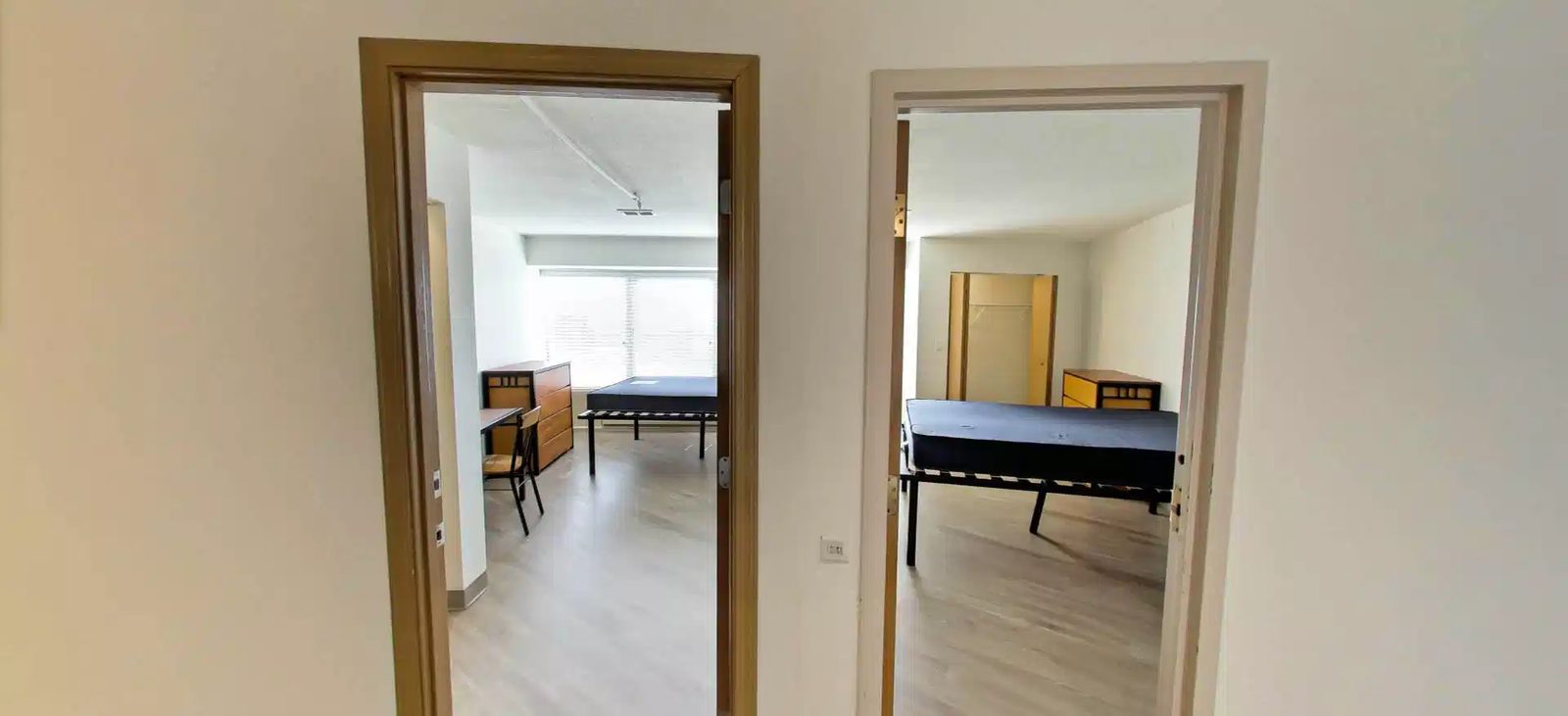
Rental prices in Lappeenranta are generally lower than in Helsinki or Tampere, but they still vary by distance from campus, size, and contract type. No specific rent figures are provided in the source data for this institution, so all financial information below is indicative — confirm exact costs with the operator before committing.
Typical housing categories (indicative ranges for the 2026 academic year)
-
Student apartments (e.g., from the local student housing foundation)
Usually the most affordable option. Rents often include water, but electricity and internet may be separate. Location tends to be within 2–4 km of campus.
Indicative monthly rent: €350–€550. -
Private studio or one‑bedroom flat
More independent, but generally more expensive. You may need to sign a longer lease (12 months).
Indicative monthly rent: €500–€750. -
Shared flat
Renting a room in a shared apartment (with other students or young professionals) can reduce costs. Search on local noticeboards or Facebook groups.
Indicative monthly rent per room: €300–€450.
Walk vs. transit – what to consider
- Walking distance (under 1.5 km) – Most convenient for quick access to lectures, library, and campus events. Saves money on transport, but rents may be slightly higher. The reviewer who called the walk “bit hard working but worth it” likely lived a little farther but still walked.
- Cycling (1.5–5 km) – Very common in Lappeenranta. Bike paths are well maintained. Rents in slightly outer neighbourhoods (e.g., Keskusta, Skinnarila) can be lower. Factor in winter cycling or bus costs when the snow arrives.
- Public bus (beyond 5 km) – A few residential areas (e.g., Joutseno side) are further away. Bus passes cost about €40–€60 per month (indicative). If you choose a cheaper flat far from campus, add the bus fare and extra travel time to your daily schedule.
Trade-off: The cheapest rent often comes with longer commuting time or less insulation. Always calculate total monthly cost (rent + utilities + transport) to compare options fairly.
Shortlist Logic: How to Choose Your Accommodation
Because no specific nearby residences were provided in the dataset, the following logic applies to any rental listing you evaluate.
Step 1 – Confirm distance to campus using a map
- Check walking time to Yliopistonkatu 34. If the listing says “10 minutes to university”, verify with Google Maps walking time.
- Look for bus stops within 500 m if you rely on public transport.
Step 2 – Verify what is included in rent
- Heating, water, electricity, internet – which are included? In Finnish winters, heating not included can add €50–€100 per month.
- Ask about mandatory fees (e.g., maintenance fees for private flats).
Step 3 – Check contract terms
- Minimum rental period: many student flats require a full semester or academic year.
- Deposit: usually one to three months’ rent. Ensure you get a written receipt.
Step 4 – Read reviews if available
- For student housing foundations, look for feedback on maintenance response times, cleanliness of common areas, and noise levels.
- For private landlords, ask previous tenants or check Finnish rental forums (e.g., Vuokraovi, Oikotie).
Step 5 – Consider your lifestyle
- Do you prefer quiet, suburban surroundings or being in the middle of student life? Skinnarila area, near the university, has many student flats and a lively atmosphere.
- If you want to cook most meals, ensure the kitchen is well equipped (shared kitchens in corridor‑type dorms can be less convenient).
Shortlist summary: For most first‑year students, a student‑housing apartment within 2 km of campus offers the best balance of cost, convenience, and community. For those on a tight budget, a shared flat or a room further out may work — but budget extra time and money for transport.
Frequently Asked Questions
1. Does LUT provide on‑campus housing, or must I find private accommodation?
LUT itself does not own or manage student residences. However, the city’s student housing foundation (e.g., Lappeenrannan Opiskelija-asuntosäätiö) offers many apartments close to the university. You can apply directly on their website. Private rentals are also common, especially for shared flats. Contact the university’s student union for a list of recommended housing providers — they often share tips for the 2026 academic year.
2. What is the typical rent I should expect as a single student?
Exact figures vary, but as a general guide for the 2026–2027 academic year, a student studio in Lappeenranta may range from €400 to €650 per month (indicative – confirm with the operator). Rooms in shared flats can start around €300. Always check whether utilities are included. The amount you actually pay depends on location, size, and whether the apartment is furnished.
3. How early should I start looking for housing before the semester begins?
Begin your search at least 2–3 months before your intended move-in date. Student housing foundations usually open applications in spring for autumn arrivals. Private listings appear on rental portals a few weeks before the start date. If you arrive in August for a September semester, expect competition – so apply early. Late applications may force you to accept a higher‑priced private flat or temporary accommodation.
Data as of 2026. All prices are indicative — confirm current rates directly with the housing operator.
See also: listing details · browse more